



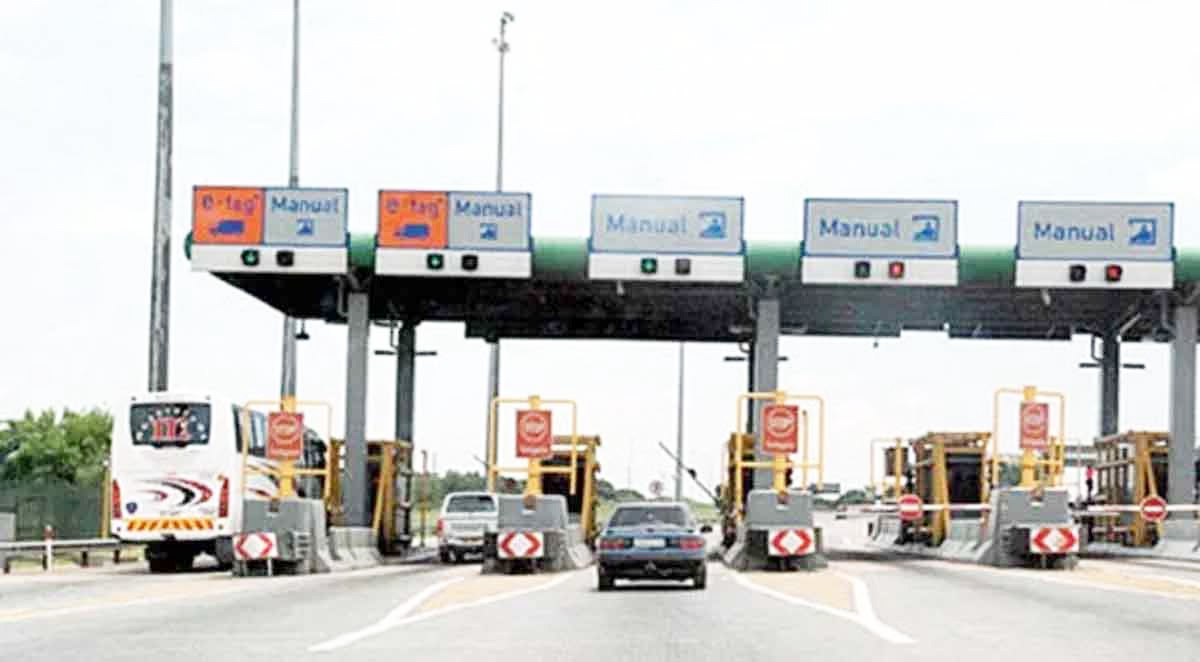
Stakeholders in the freight forwarding industry in Seme have called on the Federal Government to review the ban on imported vehicles through the Seme Border.
They described the policy as a case of “throwing the baby and bath water away.”
The stakeholders, led by freight forwarding practitioner, Don Tino Celestine Esezobor, argued that nearly a decade after the ban was imposed, the policy has resulted in significant job losses, revenue decline and economic hardship for operators at the border, while failing to stop the influx of imported vehicles into the country.
The Federal Government had, on December 31, 2016, prohibited the importation of vehicles through Nigeria’s land borders, including the Seme Border, as part of measures aimed at curbing smuggling and boosting revenue collection through the seaports.
However, the stakeholders said the policy has negatively affected hundreds of freight forwarding agents and support workers who depended on vehicle clearance operations for their livelihoods.
According to them, more than 150 freight forwarding practitioners have died since the implementation of the policy, while many others suffered severe financial losses arising from office closures, unpaid rents, theft, depreciation of assets and the collapse of businesses.
Speaking on behalf of the group, Esezobor said the continued closure of the vehicle import corridor had deprived the government of substantial revenue that could have been generated through legitimate importation channels.
He noted that before the ban, vehicle importation accounted for over 51 per cent of total revenue generated at the Seme Border.
The stakeholders urged the government to leverage the existing bonded terminal at the border, popularly known as the “Only God Is Wise” Bonded Terminal, to facilitate legal vehicle imports while ensuring effective monitoring and revenue collection.
According to them, the bonded terminal has the capacity to accommodate more than 500 vehicles at a time and provides a transparent platform for customs authorities to monitor imported vehicles and collect appropriate duties.
They explained that vehicles arriving from the Port of Cotonou in the Republic of Benin are usually escorted by Beninese Customs officials and handed over to their Nigerian counterparts with the required documentation under existing ECOWAS protocols.
The group maintained that reopening the vehicle import seat at Seme Border would significantly boost government revenue, revive economic activities within the border community and create thousands of jobs for freight forwarders, drivers, secretaries, customs processing personnel and other support service providers.
Beyond the economic concerns, the stakeholders drew attention to what they described as the unintended consequences of the ban, particularly the persistence of vehicle smuggling through illegal routes.
They argued that despite the prohibition, imported vehicles continue to enter Nigeria through unauthorized channels on a daily basis.
“Have the vehicles stopped entering the country through the land borders since the inception of the ban? The candid answer is capital NO,” the stakeholders stated.
According to them, investigations have revealed that both used and brand-new vehicles are still being smuggled into the country through illegal routes, resulting in substantial revenue losses for the government.
They further expressed concern over the dangers faced by officers of the Nigeria Customs Service in the course of anti-smuggling operations.
The stakeholders alleged that Customs personnel frequently risk their lives while attempting to intercept smugglers, with some officers reportedly being knocked down by fleeing vehicles or attacked for daring to challenge smuggling syndicates.
They maintained that reversing the ban would reduce the incentive for smugglers to use dangerous illegal routes and encourage importers to pay appropriate duties through regulated channels.
According to the group, many importers are willing to comply with customs regulations but avoid the seaports because of persistent congestion, delays and inefficiencies associated with port operations.
They also argued that smuggling remains a global challenge that can only be managed rather than completely eliminated, adding that inconsistent government policies sometimes encourage illegal trade activities.
The stakeholders therefore appealed to the Federal Government to reconsider the policy and reopen the vehicle import corridor through Seme Border under a regulated bonded terminal arrangement.
They expressed confidence that such a move would restore economic activities at the border, improve revenue generation, create employment opportunities and reduce the risks associated with vehicle smuggling.
“Government reopening the vehicle seat will create jobs, increase revenue and give no room for excuses for vehicle smuggling. We look forward to total compliance by stakeholders if the policy is reversed,” the group stated.
They added that with proper implementation of the proposed measures, Seme Border could regain its status as a major revenue-generating gateway while contributing more effectively to Nigeria’s economy.












Leave a comment