



…High interest rates, insecurity to blame –NESG
By Chinelo Obogo
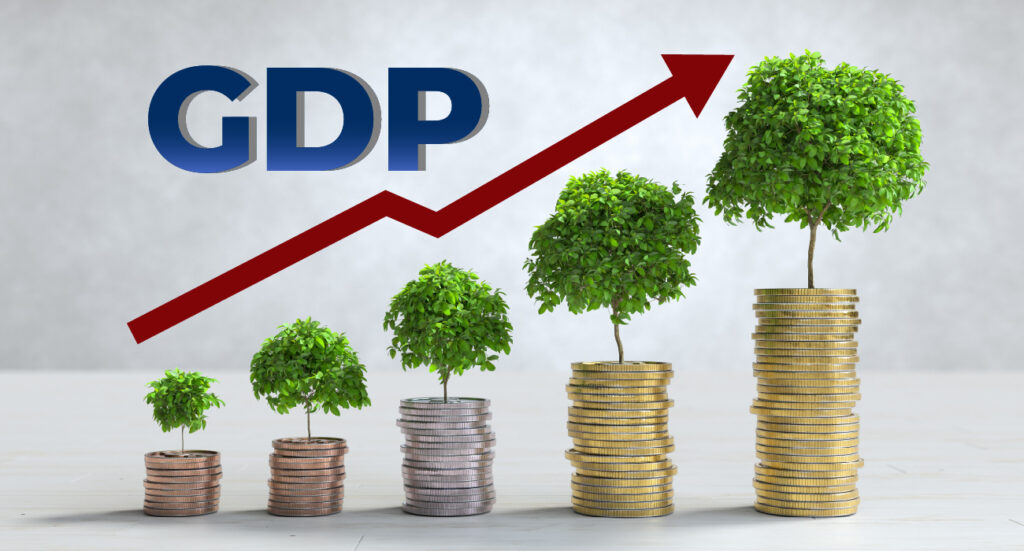
Nigeria’s economic growth weakened significantly in July 2025, with the manufacturing sector recording its steepest decline.
This was revealed in the latest Business Confidence Monitor (BCM) report released by the Nigerian Economic Summit Group (NESG) and Stanbic IBTC Bank.
The report states that while the overall business index remained expanded for the seventh consecutive month, the Current Business Index fell to 105.4 points in July, which is down from 113.6 points in June.
The report attributes this slowdown to severe headwinds reduced access to finance due to high interest rates, widespread insecurity and insufficient power supply. These factors directly, the report stated, ‘undermined operational stability and profitability.’
A sectoral breakdown in the report revealed that manufacturing suffered the most severe impact. The sector contracted at 98.0 index points , its worst decline since the survey began. Non-manufacturing (112.6), Agriculture (107.0), Trade (103.2), and Services (101.9) sectors also experienced slower growth compared to June.
The report also showed that key indicators like export orders, supply orders, prices, and employment all posted lower values than the previous month. Businesses consistently said their major constraints were limited access to financing, unreliable electricity supply, inconsistent economic policies, high commercial lease/rental costs
Stanbic IBTC noted in its report that 14 key business pillars showed month-on-month weakness while trade stockpiling saw the most dramatic reversal, collapsing by 44 per cent in July after a 31 per cent expansion in June.
Other areas like production, demand conditions, and financial results declined by at least 18 per cent.
Price pressures remained a burden while the prices sub-index surged to 93 points in July from 70.7 in June.
The overall cost of doing business index slightly eased to 123.2 points (from 142.8 in June), it remains highly elevated, and input prices continued to surge.
Stanbic IBTC said it anticipates that inflationary pressures will intensify in July and August due to seasonal factors like southern flooding and the northern lean season pushing food prices higher. However, the bank projects that inflation could fall below 20 per cent by October 2025, reaching between 17.0 per cent and 17.9 per cent year-on-year by November.















Leave a comment