



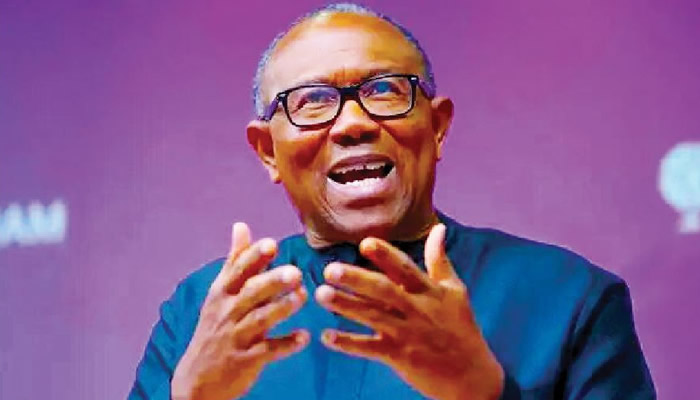
Former Labour Party presidential candidate, Peter Obi, has raised the alarm over alleged post-passage alterations to Nigeria’s newly enacted tax reform laws, warning that the country has drifted dangerously from the era of padded budgets to what he described as “forged laws.”
Obi, in a strongly worded statement on Saturday titled “Migrating from Padded Budgets to Forged Laws,” said discrepancies had been discovered between the tax bills passed by the National Assembly and the versions later published in the official gazette following President Bola Tinubu’s assent in June 2025.
According to him, the alleged changes go beyond clerical errors and strike at the heart of constitutional governance, transparency and public trust.
“This is not merely an administrative oversight; it is a serious matter that strikes at the core of constitutional governance and exposes the depth of our institutional decay,” Obi said.
The former Anambra State governor alleged that provisions not approved by lawmakers were inserted into the laws, including a requirement that taxpayers must deposit 20 per cent of disputed sums before their tax appeals can be heard in court.
He also pointed to clauses allegedly permitting the sale of taxpayers’ assets without judicial oversight, as well as expanded arrest powers for tax authorities, warning that such measures threaten citizens’ rights and access to justice.
Obi expressed concern over what he described as the silence of the Presidency in the face of the allegations, asking pointedly who authorised the changes.
“Nigerians deserve to know what was passed by their representatives, what was signed into law, and what was ultimately recorded. We cannot continue to demand higher taxes from citizens while trust in governance continues to collapse,” he said.
He stressed that sustainable national development is impossible without strict adherence to due process, accountability and the rule of law, adding that no nation can thrive where laws are manipulated and silence replaces responsibility.
The controversy surrounds four major tax reform legislations — the Nigeria Tax Act, Nigeria Tax Administration Act, Nigeria Revenue Service (Establishment) Act, and the Joint Revenue Board (Establishment) Act — all scheduled to take effect from January 1, 2026.
The allegations of forgery were first raised on the floor of the House of Representatives by Rep. Abdulsammad Dasuki (PDP, Sokoto), prompting the lawmakers to set up an ad-hoc committee to investigate possible alterations made after the bills were passed.
Legal practitioners and constitutional experts have since warned that any proven tampering with laws duly passed by the National Assembly could amount to a grave constitutional breach and, in extreme cases, a treasonable offence.
While the Presidency has yet to issue a direct response to the forgery claims, it has consistently defended the tax reforms, describing them as critical to revenue generation and the modernisation of Nigeria’s tax administration framework.
As investigations continue, pressure is mounting on the Federal Government to clarify the discrepancies and reassure Nigerians that the integrity of the lawmaking process has not been compromised.
 ‘
‘ ‘
‘Do you want to share a story with us? Do you want to advertise with us? Do you need publicity for a product, service, or event? Contact us on WhatsApp +2348183319097 Email: platformtimes@gmail.com
We are committed to impactful investigative journalism for human interest and social justice. Your donation will help us tell more stories. Kindly donate any amount HERE










Leave a comment