



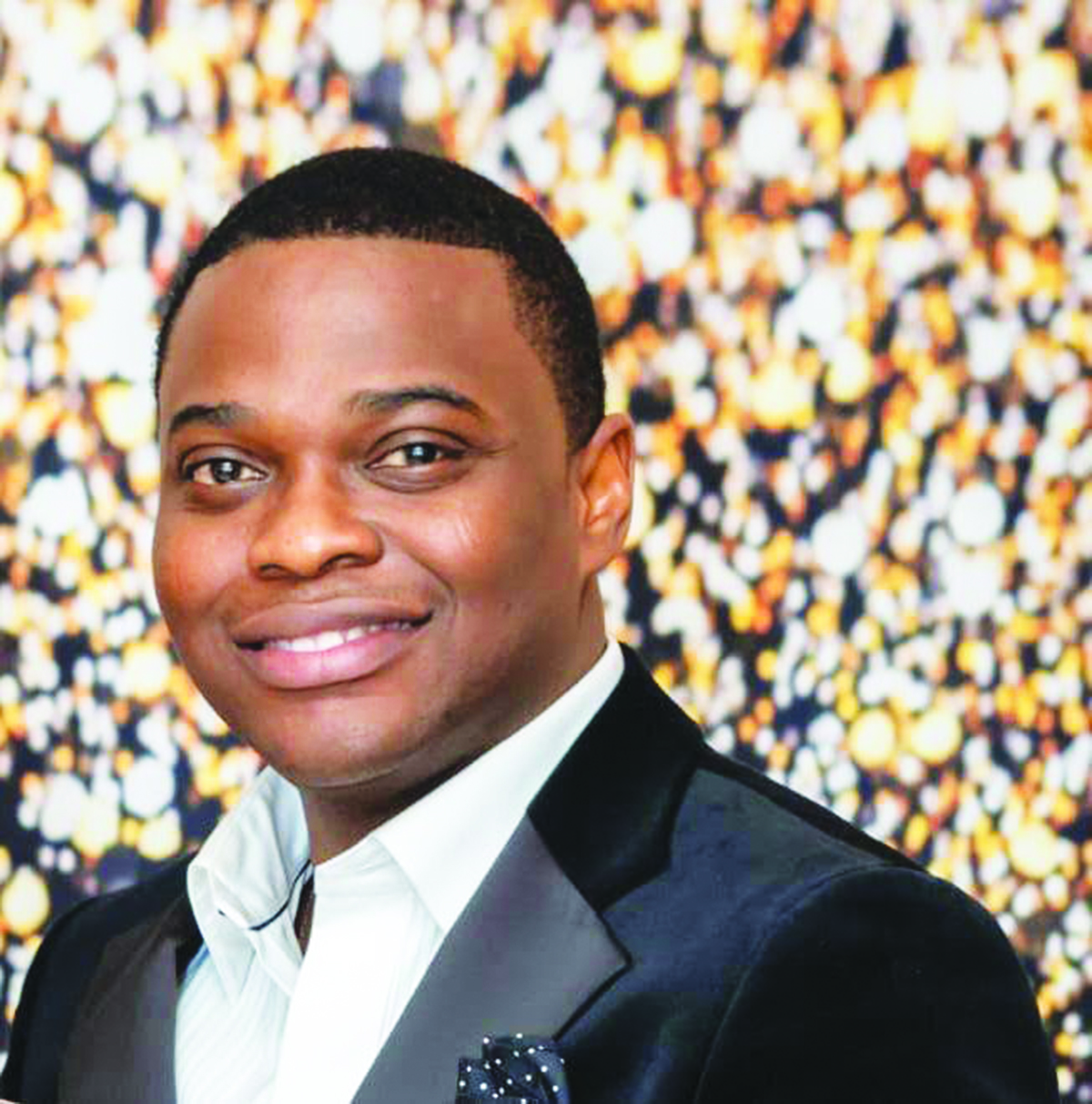
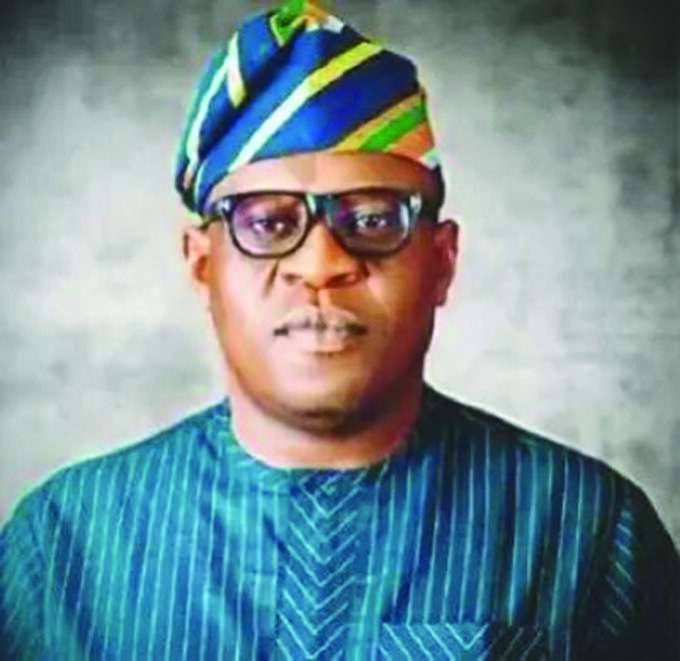
Adewale Emmanuel Omitiran is the Founder and CEO of Surge Plus Consulting, a firm dedicated to empowering businesses and individuals through disruptive, innovative strategies. He is also the visionary behind The 1% Club, a network of forward-thinking leaders dedicated to transforming mindsets and scaling societal impact through collaboration. A Canadian technology consultant and investor, Omitiran holds degrees in Mechanical Engineering, Business Administration, and Christian Ministry and Leadership. A certified Project Management Institute member, he has over a decade of experience delivering infrastructure and technology solutions for Canada’s Big Five banks and global clients. He speaks to Azuka Ogujiuba on his plans as Ambassador and Head of Mission to Canada for the United World Congress of Diplomats
What is the main goal or mission of the United World Congress of Diplomats?
The primary mission of the United World Congress of Diplomats is to foster a unified global diplomatic front capable of transcending national borders to tackle humanity’s most pressing challenges. These include climate change, war, inequality, technological disruption, migration crises, and global health. The Congress envisions a world where dialogue replaces destruction, where collaborative governance replaces unilateralism, and where human dignity is the shared foundation for progress. Through coordinated diplomacy, the UN-WCD seeks to create a new paradigm of global cooperation based on justice, sustainability, peace, and shared prosperity. The Congress functions as both a think tank and action body, coordinating international frameworks, peace treaties, development projects, and climate strategies. In 2024, for instance, it launched the Global Human Resilience Accord, a pact endorsed by 84 countries aimed at climate resilience and conflict prevention through diplomacy and grassroots engagement.
Who are the key participants or member countries represented in the Congress?
The United World Congress of Diplomats is composed of delegations from over 100 countries, representing a diverse spectrum of political systems, economic strengths, and cultural identities. Its membership includes: Permanent representatives from G20 nations such as the United States, China, India, Brazil, South Africa, and Germany; nations from the Global South, including Nigeria, Kenya, Bangladesh, Bolivia, and Indonesia; conflict-affected or recovering nations such as Syria, Ukraine, and Sudan, and observer states and representatives from indigenous nations, stateless peoples, and civil society organisations. The Congress ensures gender and generational inclusion, with one-third of its panels and committees requiring youth or women diplomats, particularly from underrepresented regions. In 2023, the Congress welcomed a special delegation from the Pacific Island Coalition, emphasising their existential concerns over rising sea levels and sovereignty loss due to climate change.
How often does the Congress meet, and where are the meetings held?
The Congress holds annual General Assemblies, with rotational host nations to promote global inclusivity and respect for geopolitical balance. These summits are monumental gatherings involving heads of state, climate scientists, civil society leaders, peace negotiators, and diplomats. Key meetings have taken place in: Geneva, Switzerland (2021) – Focus on post-COVID recovery diplomacy; Addis Ababa, Ethiopia (2022) – Emphasis on African development diplomacy; Osaka, Japan (2023) – Dedicated to AI and emerging technologies in diplomacy, and Rio de Janeiro, Brazil (2024) – Climate diplomacy and Indigenous rights. In addition to the annual summit, regional sessions and emergency dialogues are held quarterly or as needed. For instance, in 2024, an emergency session in Nairobi was convened to mediate the escalating conflict in the Horn of Africa.
What kind of issues or global challenges does the Congress focus on addressing?
The UN-WCD addresses a broad spectrum of interlinked global crises, notably: Climate collapse: Implementing transnational climate adaptation strategies, with projects in Bangladesh, the Sahel, and Pacific islands; armed conflict and peacebuilding: Deploying peace envoys, supporting ceasefires, and advising transitional justice processes (e.g., in Sudan, Myanmar, and Ukraine); global inequality and poverty: Advocating for equitable trade agreements, debt relief, and sustainable development investments; digital governance and AI ethics: Facilitating global AI treaties that protect privacy, prevent algorithmic bias, and promote tech equity, and migration and displacement: Coordinating cross-border refugee frameworks, especially in regions like the Mediterranean and Central America. In 2023, the Congress launched the Diplomatic Green Infrastructure Pact, a $10 billion multilateral initiative to fund green public works in climate-vulnerable countries.
Are there any notable achievements or impacts the Congress has made in global diplomacy?
Yes, the Congress has several landmark achievements, including: The Kigali Climate Mediation Treaty (2022): Mediated successful collaboration between several East African nations to equitably share water resources amid drought. Peace Restoration in Yemen (2023): Contributed to brokering a ceasefire between warring parties in Yemen, alongside UN efforts. Global Youth Diplomacy Initiative (2024): Created platforms for youth delegates to co-write policy recommendations adopted by 40+ member states. Digital Inclusion Charter (2023): Ensured affordable internet access in over 30 developing nations through tech partnerships. The Congress has also been instrumental in shaping UN policy, often submitting white papers and briefings to the Security Council and Human Rights Council.
How can young people or non-diplomats engage with or benefit from the Congress?
The UN-WCD actively champions inclusive diplomacy, offering numerous engagement pathways: Youth Diplomatic Fellowships: Programs like the Emerging Peacemakers Fellowship enable youth leaders to intern and co-develop policy at summits. People’s Diplomatic Forums: Civil society-led parallel events during each summit where NGOs, artists, indigenous groups, and activists present proposals. Global Civic Ambassadors Program: An initiative where non-diplomats advocate for Congress objectives at the community level. Educational Grants: Scholarships and mentorship for students in international relations, climate studies, or peace-building. In Nigeria, for example, over 400 youth leaders participated in the 2024 Lagos Diplomatic Exchange, fostering partnerships between young changemakers and senior diplomats.
How will this Congress ensure that international cooperation transcends political self-interest to prioritise the survival of humanity in the face of climate collapse, war, and inequality?
The UN-WCD has adopted a “Humanity-First Mandate”, a principle enshrined in its charter in 2022, that places planetary survival, peace, and justice above political expediency. To actualise this: It maintains cross-sectoral panels of diplomats, scientists, and civil society actors to insulate decisions from solely national interests; implements a Transparency and Accountability Framework that requires nations to report on actions taken towards Congress commitments; establishes binding moral agreements (like the Humanity Accord 2024) where states pledge to uphold core human and environmental rights irrespective of geopolitical rivalry, and engages faith leaders, indigenous elders, and humanitarian institutions in its decision-making architecture to anchor diplomacy in ethical responsibility, not just national gain. The Congress sees itself not as an extension of government agendas, but as a moral compass and conscience of the international community.
How does the United World Congress of Diplomats ensure that its diplomatic initiatives lead to tangible policy changes at the national and international levels, especially in regions affected by conflict, climate injustice, or human rights crises?
The Congress employs a multi-tiered implementation strategy: Diplomatic Liaisons Offices: Embedded in national capitals to support domestic adoption of Congress policies and align them with local needs. Monitoring and Verification Teams (MVTs): Deployed to conflict or climate-vulnerable zones to track compliance, support NGOs, and advise governments. Public-Private Implementation Coalitions: Engaging tech firms, local businesses, and philanthropies to fund and execute Congress-aligned initiatives. Legislative Support: Providing policy drafts, legal frameworks, and technical expertise to lawmakers in adopting Congress resolutions domestically. In Nigeria, the Congress has worked with the National Assembly and ECOWAS to embed Congress-backed climate adaptation measures into national law through the Niger River Basin Resilience Act, passed in 2024.
How do you evaluate these plans in Nigeria?
In Nigeria, the Congress has set up a Permanent Evaluation Taskforce, coordinated with the Ministry of Foreign Affairs and ECOWAS, to ensure regular review of initiatives. The plan includes: Bi-annual progress audits conducted with Nigerian civil society and academic institutions. Community feedback loops via town halls in affected regions (e.g., the North-East, Niger Delta). A Digital Transparency Dashboard, publicly tracking progress on goals such as: Flood prevention infrastructure, internally displaced persons (IDP) resettlement, education and inclusion of youth in peace dialogues, and partnerships with Nigerian universities like Ahmadu Bello University and University of Ibadan to conduct impact assessments and publish independent reports
When you are not busy how do you relax?
When I’m not busy, I like to relax by watching movies—everything from classics to new releases. It’s a great way to unwind and escape into different worlds. I also really enjoy spending quality time with my family, whether it’s sharing a meal, going for a walk, or just catching up. Reading is another big part of how I relax. Whether it’s fiction or non-fiction, I love getting lost in a good book—it helps me recharge and gain new perspectives.







Leave a comment