




The Federal Government has clarified that indigenous languages have not been banned in Nigerian schools, but said their use as the main medium of instruction will be limited to ensure students are prepared for national exams conducted in English.
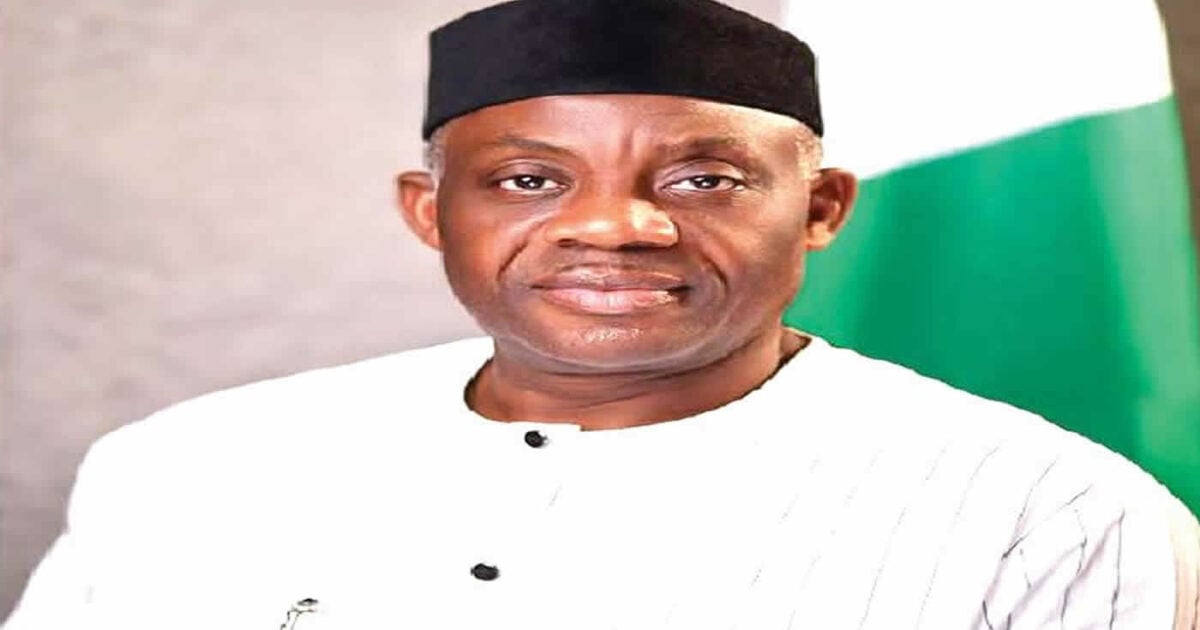
In an interview with ARISE News on Sunday, the Minister of Education, Dr Tunji Alausa, explained the rationale behind the policy adjustment.
“Now, we’ve not banned the use of indigenous language in school. What we’ve done is a SWOT analysis of what’s happening.
“No doubt, there is evidence that shows that mother tongue as the language of instruction helps kids learn better, but then it’s about deployment.
“We have to look at a multi-ethnic society, a multi-linguistic society. Today, we have 646 languages in this country,” he added.
Alausa further revealed that students will still take one native language as part of their subjects in primary school, junior secondary school, and senior secondary school, adding that, “We’re proud of our languages.”
The clarification follows the Federal Government’s November 2025 decision to scrap the national policy mandating the use of indigenous languages as the main medium of instruction, a move that drew reactions from stakeholders.
Educationist Anthony Otaigbe described it as “a step backwards for Nigeria’s education system,” adding that it “erases one of the most progressive provisions in Nigeria’s education framework.”
The Bible Society of Nigeria, in January 2026, also urged the government to reconsider, warning that “some languages had gone into extinction in the country because they were not in active usage.”
Addressing the concerns, Alausa explained that the policy had been enacted many years ago, but implementation varied across regions.
“The Southwest, Southeast, and South-South did not implement it. North-Central did not implement it. We had Northwest and Northeast implementing it, but it was over-implemented. People were using their mother tongue to teach up to Primary Six and even JSS. And now, some are asking to teach up to SS3,” he said.
He said the policy was originally meant for Primary One to Primary Three, after which instruction should switch to English.
“These kids, as they were finishing, will have to do national exams—NECO, WAEC, JAMB—conducted in English. Even though they didn’t have enough instructional materials in those languages. So these kids were poorly educated. And as minister, we will not allow that to continue,” Alausa said.
The minister added that analysis of literacy and numeracy rates showed regions that over-implemented the policy were “lagging far behind compared to regions that did not implement it.
What we now said is that we’ll go back to English as the language of instruction to ensure standardisation and train our kids to be globally competitive.”









Leave a comment