



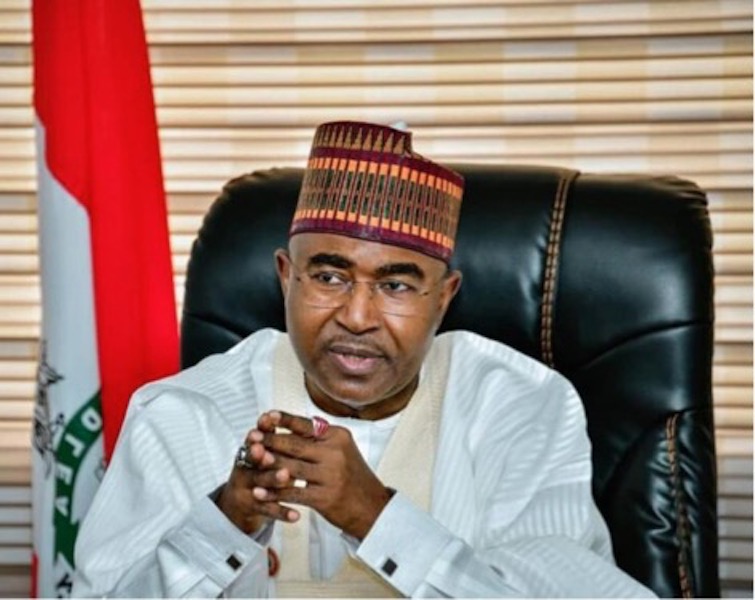
In Nigeria, we have heard powerful statements from public officials so many times that we no longer take them seriously. Big words are announced, headlines are made, and then we wait—for nothing. So when Brig. Gen. Buba Mohammed Marwa (rtd) said late last year that his second five-year tenure would be “hell for drug barons and cartels,” many of us simply nodded and moved on.
But recent events make it hard to ignore that something different may be happening.
The recent seizure of over 30 kilograms of heroin at the Nnamdi Azikiwe International Airport in Abuja is not just another drug bust; it is a statement. Drugs reportedly hidden in sealed packets of Brazilian coffee, worth more than ₦3 billion, intercepted before they could disappear into the streets. That alone should worry anyone who cares about the future of this country.
Yet what truly lingers in my mind is not the drugs, but the human story behind them. A 29-year-old woman, Ingrid Rosa Benevides, a Brazilian and reportedly gainfully employed, standing alone at the centre of a global criminal network. I find myself asking uncomfortable questions. What convinces a young woman with a job and a future to risk everything for a suitcase she does not own? Was it greed, pressure, desperation, or the false promise of easy money? Perhaps a mix of all.
This is how international drug trafficking really works. The couriers are disposable. They are promised quick cash, reassured that “nothing will happen,” and sent off with smiles and instructions. Once caught, they are left to face the law alone, while those who organized everything quietly recruit another body.
And the law, when it comes, does not negotiate with emotions. With the quantity involved, Ms. Ingrid could spend the rest of her life behind bars. Not because she owned the drugs, not because she led the cartel—but because she was the easiest to sacrifice. Her ambitions, freedom, and future may now be the price she pays, while the real beneficiaries remain invisible and untouched.
There is also an irony that is hard to ignore. Brazil is not a struggling economy gasping for survival. It is a country with vast agricultural strength, advanced manufacturing, and a GDP many times larger than Nigeria’s. One would assume opportunity exists. Yet even in such societies, the pull of fast money and criminal shortcuts still finds willing hands. This reminds us that drug trafficking is not just about poverty; it is about temptation, exploitation, and weak judgment.
Nigeria, sadly, sits along major global drug routes connecting South America, Africa, and Europe. Traffickers know this. They adapt. When large shipments fail, they turn to human beings—because humans are easier to replace than cargo.
This case should disturb us. Not just because drugs were seized, but because of what might have happened if they were not. Heroin does not just ruin users; it destroys families, fuels crime, and quietly eats away at society. Every successful trafficking attempt plants future chaos.
Aernan Lubem, Makurdi, Benue State












Leave a comment