



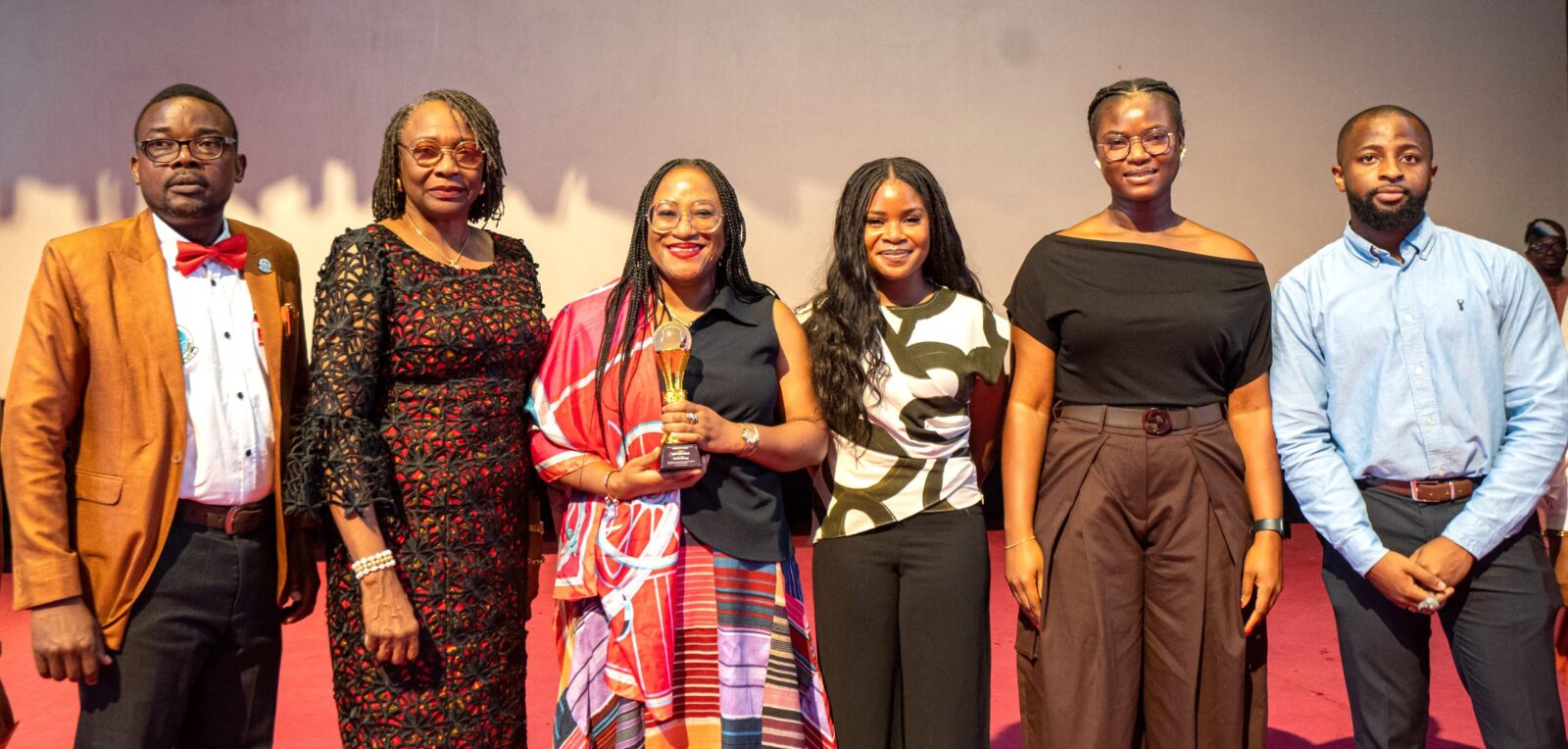
Sahara Group has reinforced its Beyond Energy philosophy at the 2026 Entrepreneurship, Innovation and Business Certification (EIBIC) programme hosted by the University of Lagos (UNILAG), calling on young Africans to move beyond conventional entrepreneurship and actively design solutions to the continent’s most pressing energy and development challenges.
Now in its third year, the EIBIC programme is a learning platform designed to help students begin their academic journey with a strong entrepreneurial mindset.
Sahara Group delivered a thought leadership session titled ‘Becoming a M.A.D Entrepreneur: Powering Africa’s Energy Future,’ framing entrepreneurship as a mindset anchored in Making A Difference.
Sahara Group was honoured with the EIBIC Champion Award in recognition of the energy conglomerate’s outstanding support and partnership with UNILAG.
The Vice-Chancellor, UNILAG, Prof. Folasade Ogunsola, said Sahara has demonstrated strong leadership with its commitment to driving entrepreneurship and innovation among young Africans. “We are delighted to have Sahara Group as a trusted partner on different projects as we continue to transform academic excellence in UNILAG.”
Speaking on the engagement, the Head, Corporate Communications, Sahara Group, Bethel Obioma, said Sahara’s collaboration with UNILAG is in line with its commitment to embedding a mindset in young Africans that goes “beyond energy”.
“Beyond Energy is about recognising that Africa’s future will be built by people who are equipped to think differently, collaborate boldly and act responsibly. Through EIBIC, we are deliberately shaping mindsets that see energy poverty and sustainability challenges as opportunities to create lasting value,” Obioma said.
The Director, Governance & Sustainability, Ejiro Gray, emphasised the importance of responsible innovation in closing Africa’s energy access gap.
“Africa faces the widest energy access gap globally. Closing it will require solutions that are inclusive, sustainable, and designed for long term impact. The M.A.D Entrepreneur framework encourages young people to build resilience, embrace sustainability and collaborate across disciplines to deliver solutions that truly make a difference,” Gray said.
Emphasizing that youths need no permission to “act now”, Gray added that: “Energy access cuts across policy, finance, law, insurance, healthcare delivery, behavioural science, construction and communications, requiring multidisciplinary solutions.”
Students were introduced to pay as you go solar models that have proven that low income does not mean low potential, enabling households and micro enterprises to access power, grow productivity and participate in the formal economy.
The session also highlighted solar-powered cold storage and cooling solutions, which address Africa’s cooling crisis by reducing food waste, protecting farmer livelihoods and stabilising food supply chains. In addition, circular bioenergy models that convert agricultural waste into electricity and clean cooking fuel were presented as pathways to expanding rural energy access while unlocking local economic value.














Leave a comment