



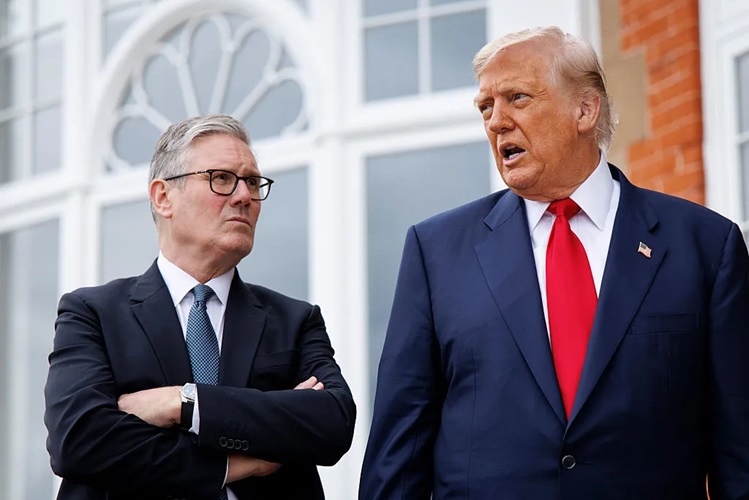

March 20, (THEWILL) — The United Kingdom has cleared the United States to use British military bases for expanded operations aimed at protecting shipping in the Strait of Hormuz, even as it called for urgent de-escalation of rising tensions in the region.
In a statement on Friday, Downing Street confirmed that ministers had approved an expansion of existing arrangements, allowing US forces to carry out what it described as “defensive operations” targeting capabilities being used to attack vessels navigating the vital oil route.
According to the statement, the decision followed a ministerial meeting where officials agreed that American operations could now extend to protecting commercial shipping in the Strait. However, the UK emphasised that it would not be directly involved in the strikes.

“The principles behind the UK’s approach to the conflict remain the same”, a Downing Street spokesperson said, adding that ministers also stressed “the need for urgent de-escalation and a swift resolution to the war.
Prior to the latest approval, the UK had permitted US forces to use its bases only for operations aimed at preventing Iran from launching missile attacks that could threaten British interests or endanger lives.
The development comes after US President Donald Trump called NATO allies “cowards” and suggested it would be “easy” for them to help secure the strategic shipping lane, which accounts for roughly 20 percent of global oil supply.
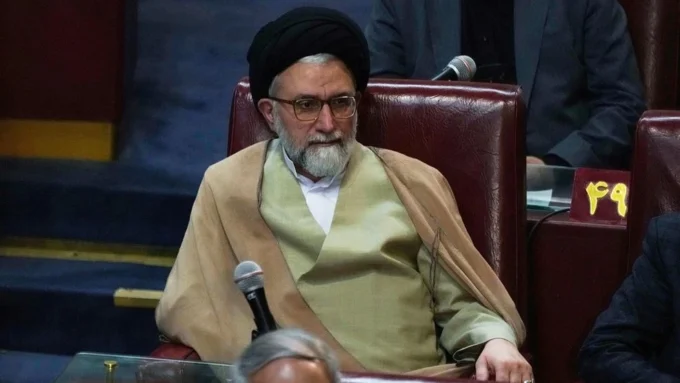
Iran has strongly opposed the move. The country’s foreign ministry warned that granting US access to British bases for such operations would be viewed as “participation in aggression,” raising fears of a wider regional confrontation.
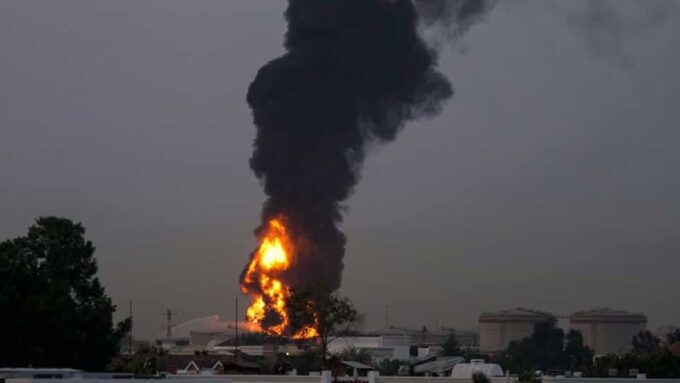
The Strait of Hormuz, a narrow but critical passage linking the Persian Gulf to the Arabian Sea, remains one of the world’s most important energy chokepoints, making any escalation in the area a matter of global economic concern.
Global energy markets have already reacted nervously, with oil prices hovering around $109 per barrel amid concerns over potential supply disruptions. The International Energy Agency has warned that the situation poses what it described as the “greatest global energy security challenge in history.”














Leave a comment