




Chioma Esike
In real estate, true value is rarely defined by immediate returns. It is defined by endurance.Take a quiet walk along the waterfront of Marina, Lagos reveals buildings that have stood for decades, still functional, still relevant, still commanding respect. Travel to Ibadan and you will find century-old homes that continue to shelter generations. Their walls have witnessed history. Their foundations have preserved wealth. Their continued existence is proof that foresight, quality, and intentionality never go out of style.
These structures teach us an important lesson: properties built to last are more than physical assets. They are legacies. They protect capital across economic cycles. They provide continuity for families and businesses. They become landmarks of trust within their communities.Building to last a century is not simply about concrete and steel. It is about discipline in design, wisdom in site selection, and an uncompromising commitment to quality. It requires a mindset that looks beyond today’s market trends and asks harder questions about relevance 50 or even 100 years from now.
Longevity begins with do location. Prime addresses are not accidental; they are strategic. Waterfront corridors, secure estates, and economically vibrant districts consistently outperform because they combine prestige with long-term desirability. A strong location provides the first layer of resilience.The second layer is structural integrity. Materials matter. Construction methods matter. Engineering discipline matters.
When shortcuts are taken in pursuit of short-term profit, time exposes the compromise. But when quality is prioritised from foundation to finish, time becomes an ally rather than an adversary.The third layer is design philosophy. Timeless architecture does not chase fleeting aesthetics. It balances elegance with functionality. It anticipates how families will evolve, how technology will advance, and how lifestyle expectations will shift. Properties designed with adaptability in mind remain relevant long after trends fade.
In emerging markets like Nigeria, where urban expansion is rapid and competition is intensifying, the temptation to build quickly and sell quickly is strong. However, the future belongs to developers who understand that sustainability is not optional. Environmental consciousness, smart infrastructure, energy efficiency, and thoughtful spatial planning are no longer luxuries. They are essential components of long-term value creation.
Africa’s real estate sector is at an inflection point. As wealth creation accelerates and cities expand, the question is no longer whether we can build. The question is whether we are building responsibly and durably. The next century will judge today’s decisions.This philosophy guides every development undertaken at HEREL. From material selection and construction techniques to site acquisition and architectural detailing, each decision is filtered through one core question: will this property continue to serve its owners and its community for the next 50 to 100 years?
In an industry often driven by short-term gains, HEREL is guided by a longer horizon. The goal is not merely to develop properties, but to create enduring assets—spaces that preserve wealth, elevate communities and stand as testaments to thoughtful leadership for generations to come.
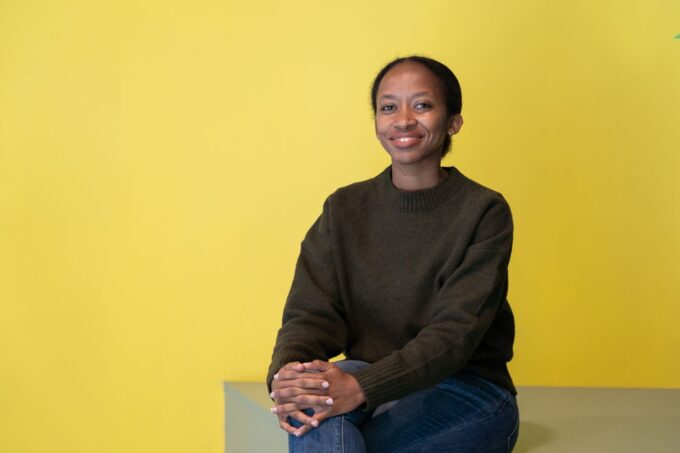
* Ms Esike, the Managing Director of Herel, a real estate firm, writes from Lagos










Leave a comment