



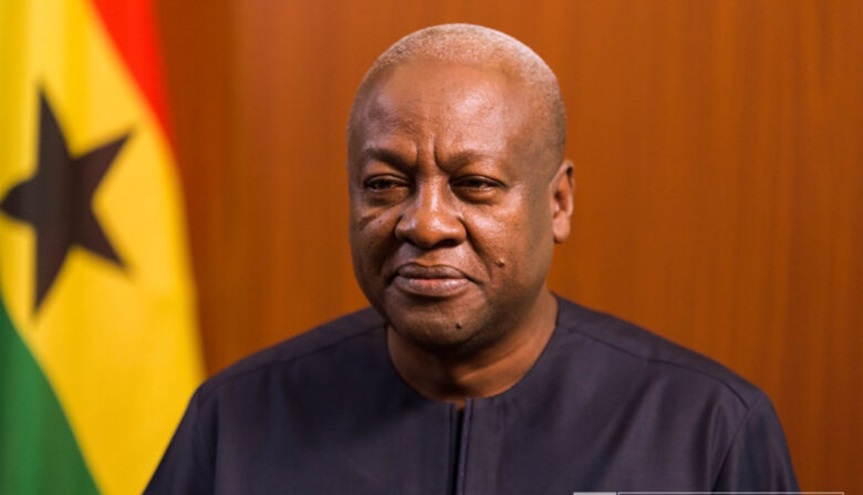

March 25, (THEWILL) — Ghana President, John Dramani Mahama, has slammed the administration of U.S. President, Donald Trump, over what he described as the “erasure” of Black history, while simultaneously pushing for global recognition of transatlantic slavery as a grave crime and renewed calls for reparations.
Mahama made the remarks on Tuesday in New York at a United Nations event on slavery reparations, where he warned that recent U.S. policy directions on cultural and historical institutions could have far-reaching global consequences.
He criticised actions targeting museums, monuments and national parks, which the Trump administration says are aimed at removing “anti-American” ideology. According to Mahama, such measures have led to the dismantling of slavery exhibits and the restoration of Confederate-era statues—developments that civil rights advocates argue could undermine decades of progress.

“These policies are becoming a template for other governments as well as some private institutions. At the very least, they are slowly normalising the erasure”, Mahama said.
He further alleged that Black history courses are being removed from school curricula in parts of the United States, as institutions are being pressured to limit teachings on slavery, segregation and racism. He also pointed to a growing trend of banning books addressing these subjects.
In response, a White House spokesperson defended President Trump’s record, stating that he has delivered significant gains for Black Americans and secured “historic support” from the Black community during the 2024 election.
Mahama, who had previously criticised Trump over controversial claims regarding South Africa, reiterated his concerns about narratives he said misrepresent African realities and diminish historical truths.
The Ghana leader is expected to present a proposal at the United Nations General Assembly on Wednesday, seeking formal recognition of transatlantic slavery as the “gravest crime in the history of humankind” and calling for reparations for affected populations.
As of press time, the United States and European Union missions to the United Nations had yet to respond to the proposed resolution.











Leave a comment