



By Rita Okoye
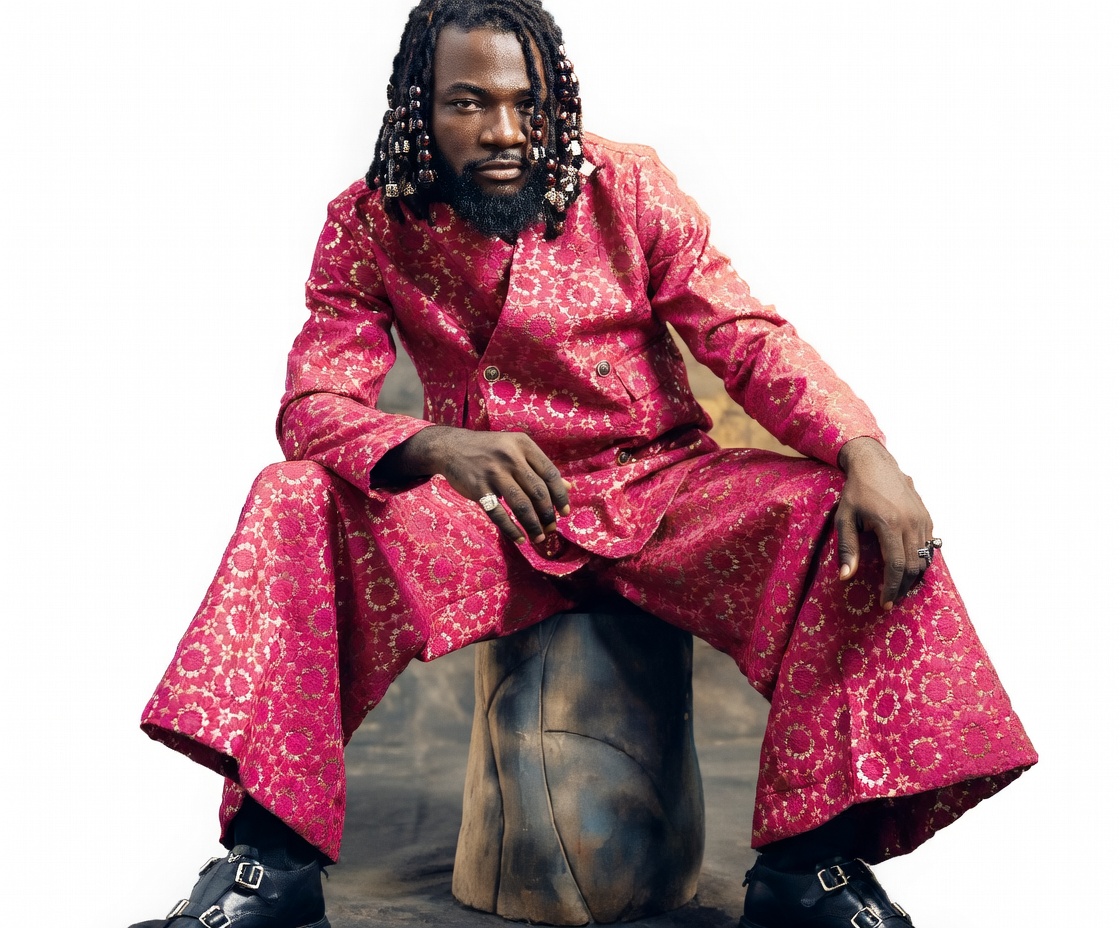
Oladotun Alani Okeowo, popularly known as DOTTi The Deity, is not just a musician but a voice of culture and conscious expression. Since emerging as the winner of MTN Yello Star, the “Forever Sweet” singer has steadily carved a niche for himself within the fast-evolving Afrobeats scene, demonstrating a growing global appetite for music that resonates with identity and authenticity.
In this interview with Sunday Sun, he speaks on the spiritual inspiration behind his stage name, reflects on a profound encounter with his late father, and shares his belief that every creative possesses a god-like essence.
How did you come up with the name DOTTi The Deity?
I get my inspiration from God. He is more important than whatever it is that I am or will ever become. In the equation of making things happen, even the music, I am the least important. I bring the least material to the table. I have just been helped by God and by people; it is really not about me. Even the music is not about me; it is about the people and the purpose of enabling things.
The name actually comes from my real name, Oladotun. I used Dotun initially, but there was already a popular Dotun, so DOTTi came into the picture. The “Deity” part was influenced by the sound, the music, and how people interact with it. I remember when I was on the show MTN Yello Star a couple of years ago, my head wardrobe person used to call me ‘Babalawo’. He called it ‘Babalawo music’. That was the best way he could mentally process who I was. But it was more about my consciousness of my culture and who I am—my identity as a Nigerian and as a Yoruba person who taps into the reality of his people. People also started calling me ‘Orisha’. I wanted something people could relate to, so I translated ‘Orisha’ from Yoruba to English. That is how ‘The Deity’ came about. It also aligns with the scriptures; the Bible says we are gods, made in the image and likeness of God. Howbeit lesser than God, we are gods in our own right.
You won MTN Yello Star. At what point did you realise that this was not just a talent, but a calling?
I feel like it is a journey, especially for people in the arts. You don’t wake up one morning and say, “Oh, this is how I should go about it.” The more time you spend doing it, the more it is revealed to you. I don’t remember the exact point, but in my final years of secondary school, I realised I didn’t want to be a doctor or anything else, despite being a science student.
I told them at home that I wanted to do music. They didn’t want me to, but then I read a small 15-page book about passion and purpose. It said that what you do with the least amount of effort and stress—the thing that comes naturally—is your purpose. I was already disturbing the whole class with my vocals every break time. I was good at school, but I was passionate about music. So, shout out to that book.
Your music is often described as ‘Nu-Age Folk’. How would you describe that genre in your own terms?
I named it Nu-Age Folk to represent the sound I make. When you talk about genre, education is important. I do a lot of fusion, like jazz and gospel, because I have a foundation in those. But the folk side is the foundation of everything I’ve heard over time—from Fuji to the sounds of the times before I was born. It is a coalition of it all; a new generation of folk music for people interested in culture. I’d say I am one of the first.
You are proudly from Ibadan. How did growing up in the ancient city shape your sound and creativity?
I actually grew up in Badagry, which was very countryside-like back then—lots of coconut trees, cool breeze, and traditional festivals like Egungun. I think the indigenous people of Badagry are the most musically rhythmic humans on earth. Then I moved to Ibadan in 2011 for academic purposes and stayed for eight years.
Ibadan provided the room I needed to groom myself. It is the perfect place for an artiste because there is no pressure compared to the hustle and bustle of Lagos. In Ibadan, you can chill, think, and really work on your craft. Lagos is fast-paced; you might develop your talent to 20 percent and immediately try to make noise. Ibadan allows you to grow to 75 percent before stepping out. That is why most entertainers from Ibadan can dominate—they had time to develop.
You wrote your first song at age six. What inspired it?
I remember exactly where I was. I was sitting at the dining table. I was living with my grandparents and I was missing my parents. It was a song of prayer. I don’t know why a little child felt the urge to pray for God to spare their lives, but I wrote a song asking God to keep them and not let them die.
You once mentioned that music was the only inheritance from your late father. How does that connection influence you in the studio?
I didn’t really know my dad until I was 17. The first day I sat down to have a tête-à-tête with him was on a Friday. By the following week, he was on his deathbed. He didn’t leave a traditional inheritance, but he left his collection of vinyl records. My dad loved music – Sikiru Ayinde Barrister, Adeolu Akinsanya, King Sunny Ade and Ebenezer Obey. He bought some of them as far back as 1973. I took all those tapes. Music is my only inheritance.
Aside from you, is there anyone else in your family who is a musician?
Yes, I have an uncle who was a choir master. I used to sit around him while he was ‘scoring’ music – learning every part to teach the choir. He didn’t pursue it professionally, but that was the birth of my inspiration.
We know you’ve worked closely with industry greats like Cobhams Asuquo and Omawumi. What is one major lesson you learned from them that you apply to your creativity?
I learned how much of an individual they are—complete identities. Even in a collaborative space, they bring their full aura. Cobhams is such a revelation. To meet people I adored as a child and have them appreciate what I bring is beautiful. I have learned to be confident in myself and respect what I bring to the table while respecting the energy of others.
You wrote jingles for big brands like GTBank and Dettol. How has that shaped your career?
I feel privileged to have worked on those brands. I’m grateful to people like Cobhams, Rotimi Keys, and TY Mix, who are the most sought-after producers in advertising. Those gigs kept body and soul together while I was working on my own artistry. I am one of the few people who had a “360 career”—working a 9-to-5 type job in music before ‘stardom’.
Who is one artist you would love to collaborate with?
Aṣa and Lágbájá.
What is one thing people misunderstand about you?
People think I’m a free thinker or an agnostic. Yo, I am a tongue-speaking, Bible-believing Christian!
Forever Sweet is an amazing project. Can you tell us the story behind that song?
In 2020, a neighbour who had moved to the United States wanted to do something special for his wife’s birthday in Lagos. He reached out to me to write her a song. While working on it, I realised it was too beautiful to be for just one person. After delivering the version for the lady, I went back to the studio, erased the specific names, and rewrote it for a larger audience. I put it out in 2022, and four years after it was written, it still feels brand new.
Your songs have featured in Nollywood films like Funmilayo Ransome-Kuti, Ajosepo, and Something Like Gold. How did that impact your career?
I believe it is just the start. Nollywood and musicians like me should work hand-in-hand. I make music that is very cinematic and tells a story. I feel honored to be featured in movies and I want that for more musicians who make beautiful, soulful songs.
What’s your word to creatives who are on the verge of giving up?
Keep going. I say this knowing how difficult it is when it feels like you aren’t making progress. But trust me, you are. In due time, you will meet people who reference work you did years ago that you thought made no impact. Don’t stop. Believe in yourself and try to be a better version of who you are today.










Leave a comment