



Vanessa Obioha
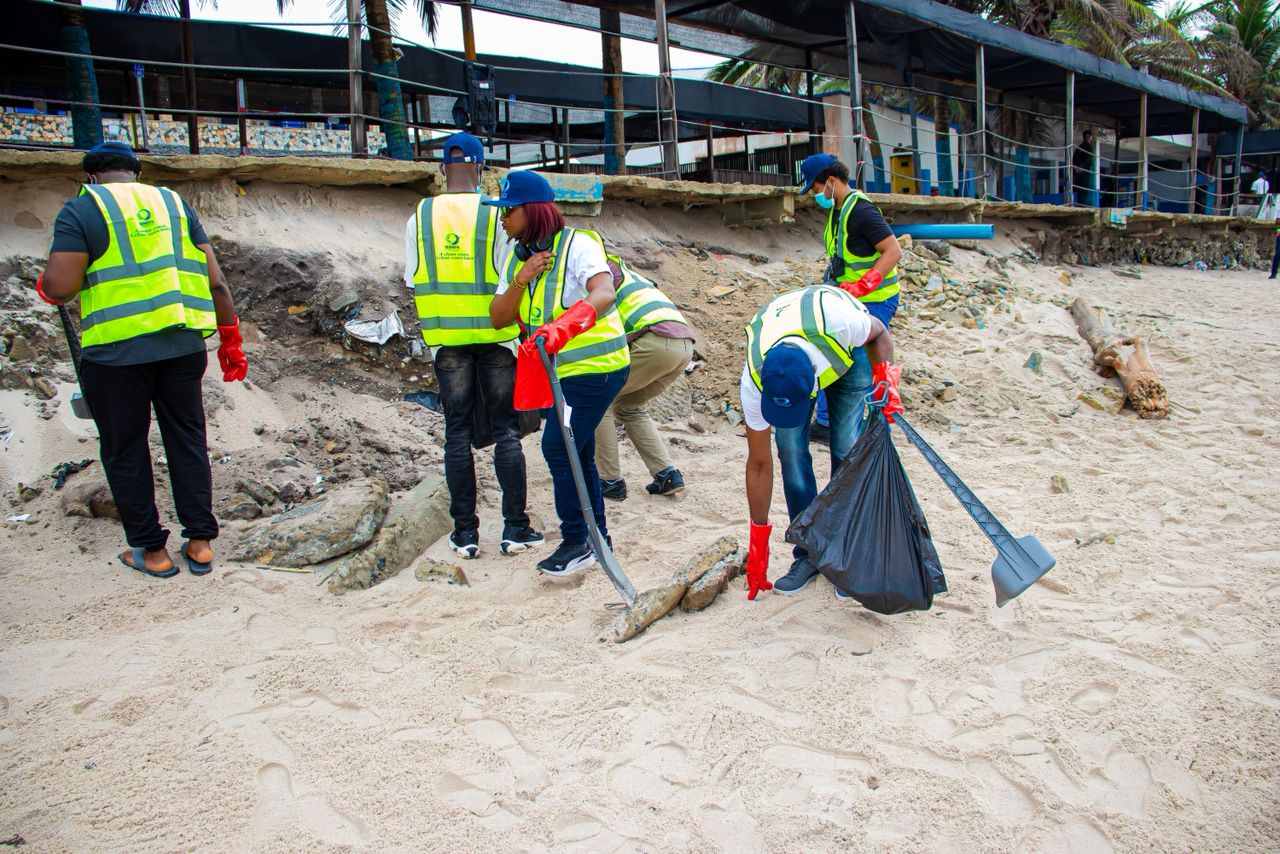
Hazardous waste, including lead batteries, has been discovered along the Atican Beach shoreline in Lekki, Lagos, raising fresh concerns about risks to marine ecosystems and coastal communities.
The materials were uncovered during a cleanup exercise organised by the Nigerian Marine Environment Protection Association (NIMEPA), which also removed about 100 kilograms of solid waste from the area.
The waste collected included plastics, sachets, Styrofoam, bottles and cigarette butts, highlighting the scale of pollution along the shoreline.
Executive Secretary of NIMEPA, Comfort Ekpe, described the presence of hazardous materials as alarming.
“We actually accounted for a total of approximately 100 kg cumulative of different types of waste,” she said. “We also found hazardous waste like lead batteries on our shorelines. For me, this is concerning that Nigerians will dispose of this kind of waste in our waters. This ought not to be.”
Environmental experts warn that hazardous and non-degradable waste in coastal waters can have far-reaching effects on marine life, potentially disrupting ecosystems and contaminating aquatic species.
Managing Director of Apapa Bulk Terminal Limited (ABTL), Festus Omotoyinbo, said pollution of the marine environment ultimately affects human populations.
“When you pollute the environment, there is a lot of impact on the marine ecosystem,” he said. “Fish are from the ocean. By the time you pollute the sea, it causes a lot of harm to aquatic life and eventually man.”

According to global estimates by the United Nations Environment Programme (UNEP), about 11 million tonnes of plastic waste enter the oceans annually, a figure projected to rise significantly if current trends persist.
Nigeria contributes substantially to marine pollution due to rapid urbanisation, high consumption of single-use plastics and gaps in waste management systems.
Data from the World Bank indicates that the country generates more than 2.5 million tonnes of plastic waste yearly, with a significant portion mismanaged and at risk of entering waterways.
Participants in the cleanup noted that the accumulation of waste along the shoreline poses immediate environmental risks, emphasising the need for increased awareness and improved waste disposal systems.
Head of Shipping Operations at Flour Mills of Nigeria (FMN), Sunday Ngige, noted the absence of waste disposal facilities at the beach.
“From the beginning up to where we stopped, there weren’t any trash cans,” he said. “They need to enlighten the beach users on how to dispose of their waste properly.”
Organisers said sustained efforts, including public sensitisation and regular cleanups, are needed to curb the growing threat of coastal pollution.
















Leave a comment