



By Chukwuma Umeorah
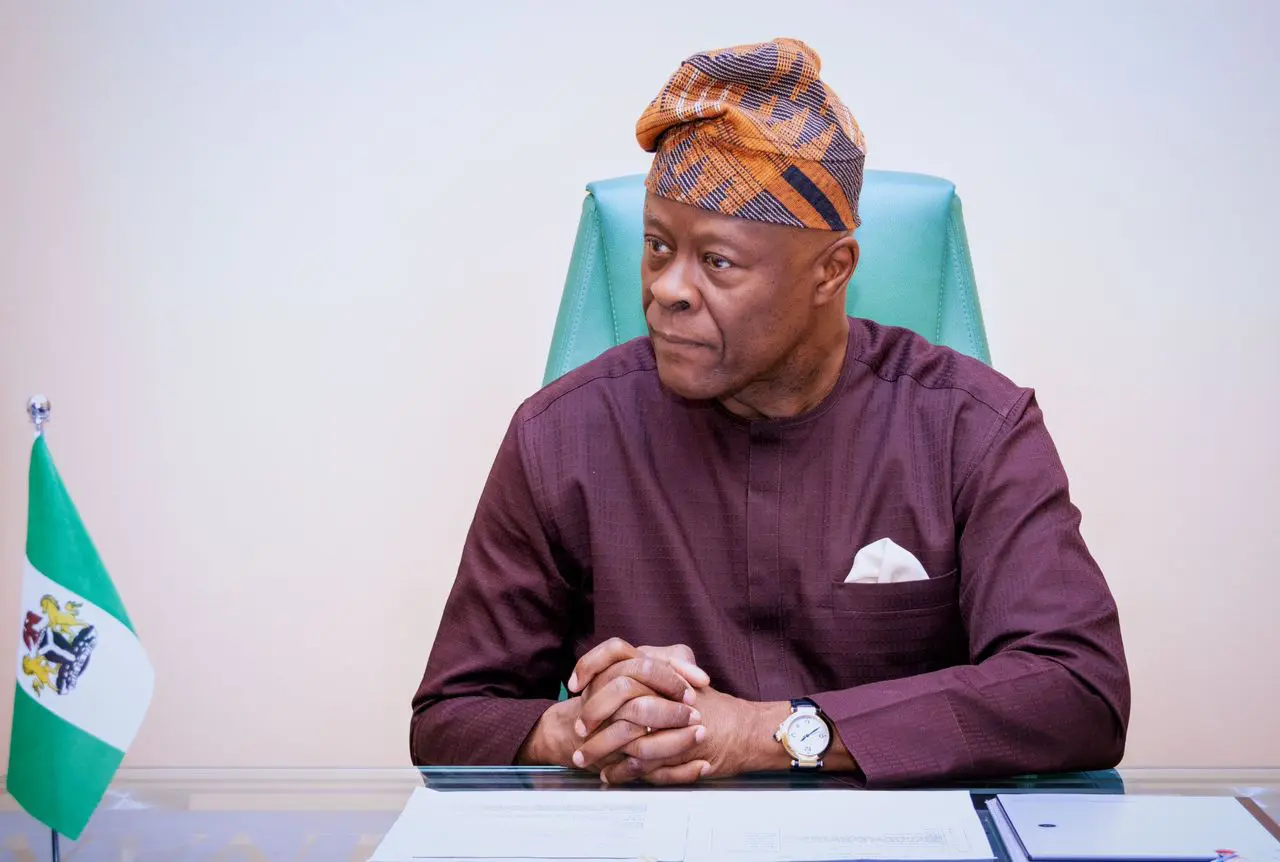
The federal government has aggressively pivoting to an export-driven economic model, with the Minister of Finance and Coordinating Minister of the Economy, Wale Edun, stating that Nigeria must reposition itself as a leading export economy to achieve sustained growth, even as stakeholders cautioned that weak intra-African trade and structural bottlenecks could undermine the transition.
Delivering a keynote address at the Stanbic IBTC Nigeria Business Summit in Lagos on Wednesday, Edun said the country’s economic strategy is moving from stabilisation to growth acceleration, stressing that trade expansion will be central to this next phase. He noted that although Nigeria’s GDP growth has improved to about 4 per cent, it remains below the level required to lift millions out of poverty.
“Our true potential lies in becoming a leading export economy,” he said, adding that increased participation in regional and global trade would be critical to diversifying foreign exchange earnings and driving inclusive growth.
Edun pointed to ongoing reforms, including improved foreign reserves, growth in non-oil revenues and recovering investor confidence, as indicators that the economy is better positioned to absorb external shocks. However, he acknowledged that trade competitiveness would depend on improvements in infrastructure, logistics and policy coordination.
The minister similarly identified SMEs as critical to achieving inclusive growth, noting that they account for over 90 per cent of businesses and employ a large share of the workforce. Edun further emphasised that sustained growth would depend on stronger collaboration between the public and private sectors, with government focusing on maintaining macroeconomic stability, implementing predictable policies and removing structural constraints to investment.
He also highlighted the launch of the National Single Window initiative, describing it as a step toward improving trade efficiency through automation, faster processing of permits and enhanced revenue generation driven by higher transaction volumes.
Despite these policy signals, stakeholders at the summit warned that intra-African trade hovering around 15 per cent remains significantly below potential, raising concerns about the continent’s ability to fully leverage the African Continental Free Trade Area (AfCFTA).
Speaking during a panel session, the Executive Director of Nigeria Export-Import bank (Nexim), Stella Okotete said the pace of intra-African trade should be the primary benchmark for assessing Africa’s trade competitiveness.
“If intra-African trade increases meaningfully, it shows we are building regional value chains and reducing exposure to external shocks. At current levels, it still reflects a structure where raw materials are exported outside the continent rather than processed within it.”
She added that deeper regional trade would signal progress in industrialisation, job creation and value addition, aligning with the minister’s position that export expansion must go beyond primary commodities.
Beyond trade volumes, infrastructure constraints were identified as a major barrier to achieving seamless cross-border commerce, despite improvements in port processes and digitisation.
Chairman of Odu’a Investment Company Limited, Bimbo Ashiru, said while administrative bottlenecks at ports have reduced due to digitalisation, physical transport systems remain inadequate for efficient regional trade.
“Processes at the ports have improved significantly with digitalisation, but transportation remains a major challenge. We need systems that allow goods to move seamlessly across African countries if trade is to scale.”
Head of Trade Business and Commercial Banking at Stanbic IBTC, Ifeoma Abdul highlighted the fianancing constraints, particularly for small and medium-sized enterprises (SMEs).
She noted that SMEs account for the majority of businesses in Nigeria but face structural barriers in accessing funding required to scale operations beyond domestic markets.
“SMEs are central to trade expansion, but the financing gap remains significant. There is a need for mechanisms that reduce lending risks and provide more affordable funding options.”
Abdul advocated alternative financing structures, including supply chain finance and invoice discounting, as well as greater involvement of development finance institutions to de-risk lending to smaller businesses.













Leave a comment