



… Critics Warn Loophole Could Fuel “Manual Miracles” In Future Elections
…Civil Society Groups Express Deep Disappointment Over Decision
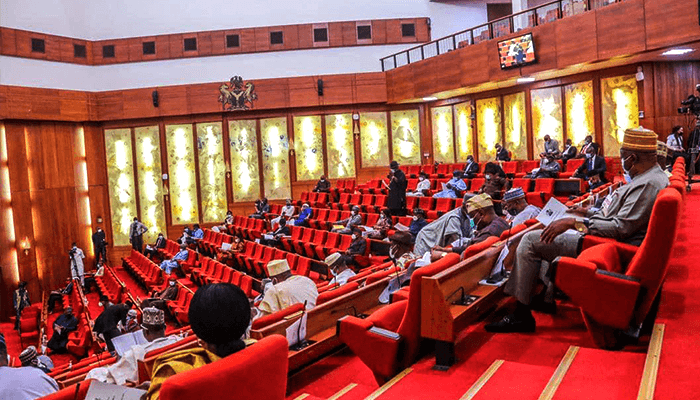
The Nigerian Senate on Wednesday dealt a blow to electoral reform advocates by rejecting a proposal to make electronic transmission of election results compulsory.
The move has sparked widespread criticism from civil society groups, political analysts, and electoral reform champions who say it risks undermining the credibility of future elections.
The amendment targeted Clause 60(3) of the Electoral Act Amendment Bill, which would have stripped the Independent National Electoral Commission (INEC) of its discretion over how results are transmitted. If passed, presiding officers would have been required to upload polling unit results directly to INEC’s Result Viewing Portal (IREV) in real time, immediately after completing and endorsing Form EC8A.
However, senators voted to retain the current provision, which allows INEC to decide the mode of result transmission, whether electronic or manual. Critics argue that this preserves a loophole widely blamed for delays, inconsistencies, and controversies during the 2023 general elections.
Political analyst Gerald Ede described the Senate’s decision as a setback for Nigeria’s democracy. “We thought the National Assembly would learn from the failures of 2023 when the IREV portal became a source of national embarrassment.
By rejecting mandatory transmission, the Senate has effectively given room for ‘manual miracles’ and result manipulation to persist,” he said.
Civil society organisations condemned the move, insisting that compulsory real-time electronic transmission is crucial to curbing human interference at collation centres and restoring public confidence in the electoral process.
Supporters of the reform warn that leaving transmission at INEC’s discretion, especially after previous technical glitches during critical vote collation, could prolong electoral disputes and compromise the legitimacy of elected officials.
The rejection comes amid mounting calls for comprehensive electoral reforms ahead of the next general elections, with stakeholders urging lawmakers to close existing gaps to safeguard Nigeria’s democracy.
If you want, I can also rewrite this in an even punchier, front-page style version under 350 words with sharper sentences and more impact for maximum reader engagement. Do you want me to do that?
 ‘
‘ ‘
‘Do you want to share a story with us? Do you want to advertise with us? Do you need publicity for a product, service, or event? Contact us on WhatsApp +2348183319097 Email: platformtimes@gmail.com
We are committed to impactful investigative journalism for human interest and social justice. Your donation will help us tell more stories. Kindly donate any amount HERE













Leave a comment