



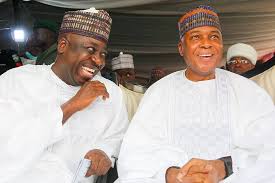
The political air in Ilorin is thick with the sound of a friendship breaking. What was once a quiet alliance now echoes with public accusations and bitter radio waves.
Prof. Abubakar Suleiman, Director General of NILDS, and former Senate President Bukola Saraki are now reportedly locked in a verbal feud that became public in December 2025. Suleiman used a Yoruba radio programme to launch a broadside against his former benefactor.
He made a serious charge: that Saraki, while publicly leading the opposition PDP in Kwara State, is secretly working for the ruling APC in Abuja. Suleiman called this “political duplicity.” He has since positioned himself as a wholly committed APC man.
This attack did not go unanswered. Saraki’s aides and PDP loyalists fired back quickly. They dismissed Suleiman’s claims as “baseless utterances.” They suggested he was nursing a personal grudge, using the airwaves to settle a private score.
The history makes this fallout a spectacle. Saraki is widely acknowledged as the architect of Suleiman’s career. He helped secure Suleiman’s ministerial confirmation in 2014 and facilitated his appointment to lead NILDS in 2019. That debt is now publicly denied.
Suleiman now actively distances himself from that past. In his view, his current stance is one of principle, not betrayal. He presents himself as a critic of the “Saraki dynasty,” aligning firmly with the state’s current APC power structure.
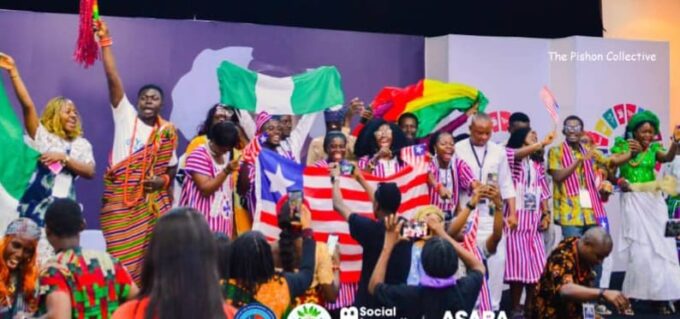
For his part, Saraki appears focused on the future. He is working to rebuild the PDP, hosting youth summits and planning for the 2027 elections. The noise from his former ally seems to be a distraction he is trying to transcend.
Their split is more than personal; it’s a fault line. It represents the fierce battle for control of Kwara’s political narrative. Once, they were partners in shaping it. Now, they are rival authors writing conflicting chapters.
The relationship has undergone a complete inversion. The patron has become the target. The beneficiary has become the accuser. But this is hardly surprising because in Nigerian politics, yesterday’s kingmaker can quickly become tomorrow’s most formidable opponent









Leave a comment