



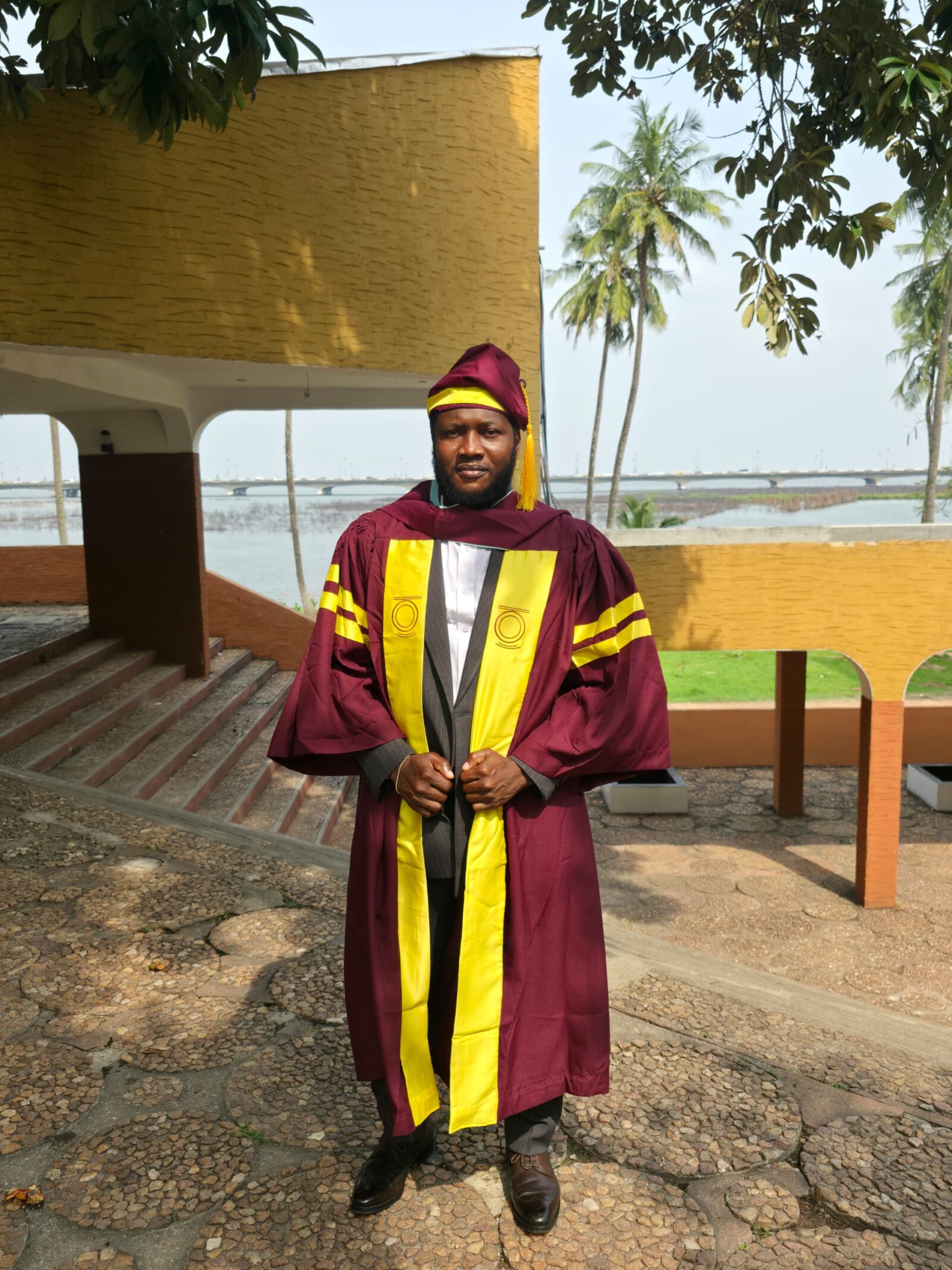
As the world marked the 2026 International Day of Education on January 24, a University of Lagos (UNILAG) MBA graduate, Mr Ezeukoh Ebubechukwu, has described education as the most potent tool for social equity, economic participation and sustainable development across societies.
Ebubechukwu, who graduated from the Department of Business Administration, spoke against the backdrop of sobering global statistics by UNESCO indicating that over 250 million children and adolescents are currently out of school, while about 763 million adults remain illiterate.
The International Day of Education was proclaimed by the United Nations General Assembly in 2018 to underscore the central role of education in fostering global peace, inclusive growth and sustainable development.
Speaking in Lagos, Ebubechukwu called on Nigerian educational institutions to align more closely with international academic standards, warning that failure to modernise learning systems would widen inequality rather than bridge it.
“When education systems fail to adapt to global standards, they exclude more people than they empower. This is dangerous for national growth and long-term stability,” he said.
Reflecting on the 2026 theme, “The power of youth in co-creating education,” Ebubechukwu stressed the need for education to be more accessible, practical and responsive to the realities of students and young people.
“This year’s International Education Day reminds us that education must be accessible, practical and relevant. Improving foundational access, aligning curricula with global expectations and designing financial support systems that reflect real needs are not optional they are necessary for sustained progress and equitable development,” he said.
The UNILAG graduate, who is also the founder of the Ebubechukwu Eziokwe Foundation (EEF), a non-profit organisation focused on fighting illiteracy, reaffirmed his commitment to expanding access to education, particularly for children in rural and underserved communities.
Through its annual “BookDrive” initiative, the foundation provides learning materials and educational support to disadvantaged pupils.
“With access to quality education, individuals can break cycles of poverty and contribute meaningfully to their communities.
“Our responsibility as a non-governmental organisation is to ensure that children in rural and suburban areas have access to proper education and adequate learning materials,” he said.
Ebubechukwu also urged educational institutions to remain globally competitive, noting that Nigerian students were increasingly being prepared for opportunities beyond local systems.
On the Federal Government’s student loan initiative under President Bola Ahmed Tinubu’s administration, he commended the policy but called for a more user-friendly and inclusive process.
“The initiative is commendable, but the procedures are overly strenuous. Loan structures should be tiered, where smaller amounts require fewer conditions, while larger loans can reasonably attract more scrutiny,” he said.
He concluded that education remains central to achieving peace, development and human dignity, urging stakeholders to invest more intentionally in systems that empower young people and strengthen national development.
 ‘
‘ ‘
‘Do you want to share a story with us? Do you want to advertise with us? Do you need publicity for a product, service, or event? Contact us on WhatsApp +2348183319097 Email: platformtimes@gmail.com
We are committed to impactful investigative journalism for human interest and social justice. Your donation will help us tell more stories. Kindly donate any amount HERE











Leave a comment