



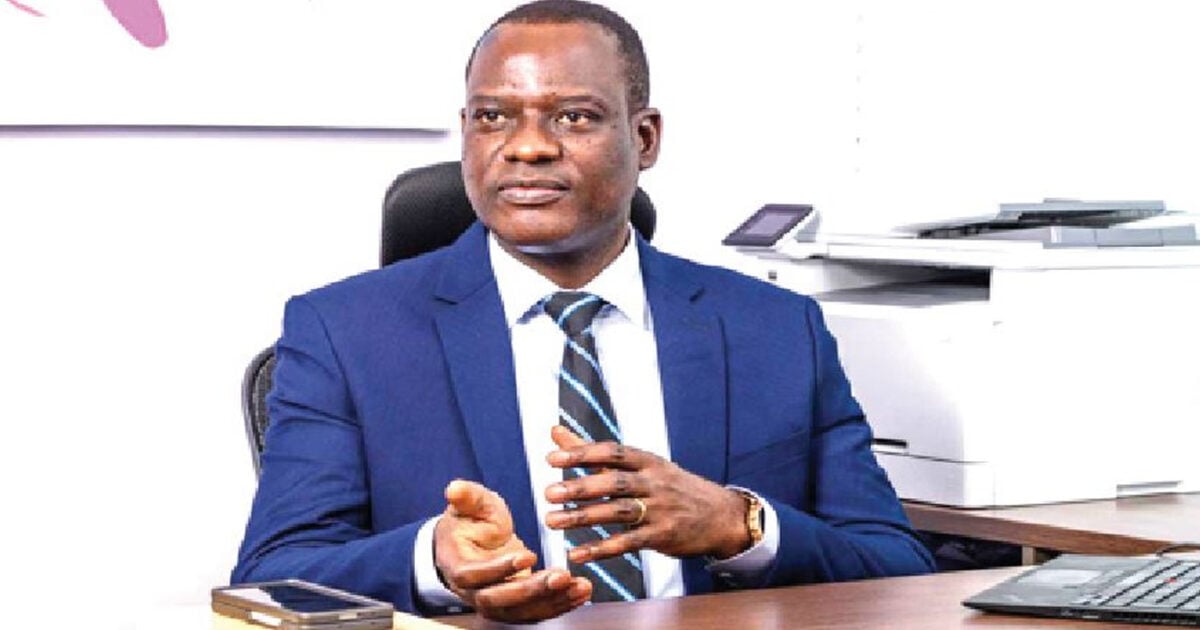

The Chairman of the Presidential Fiscal Policy and Tax Reforms Committee, Taiwo Oyedele, says the new Nigeria Tax Act 2025, which restructured the Pay-As-You-Earn tax for employees, boosted the disposable income of middle- to low-income earners in the country.
Oyedele said this on Wednesday during a virtual engagement with key stakeholders organised by the Presidential Fiscal Policy and Tax Reforms Committee and the Joint Revenue Board tagged ‘Tax Reform Implementation Session for HR, Payroll and Finance Executives’.
The PUNCH reports that some workers who have received their January salary expressed mixed and largely underwhelming reactions to recent changes in their take-home pay following the implementation of new personal income tax reforms, with many stating that the increases are marginal and insufficient to meaningfully alleviate economic pressures.
Speaking to the audience, which included Human Relations Directors, Payroll Managers, chief financial officers, tax managers and other senior executives responsible for the management of employee compensation and payroll tax compliance, Oyedele said the reform prioritises fairness by shifting the tax burden away from those least able to afford it.
According to the committee’s data, 98% of workers in both the private and public sectors will experience either a reduction or a total removal of their Pay-As-You-Earn tax.
“This new tax law has been designed to deliver exemptions for the lowest income earners, lower taxes for the middle class, and progressively higher taxes for high-income earners. Minimum wage earners will not pay personal income tax.
There’s a specific provision in the new tax law that exempts the national minimum wage, which is currently 70,000 naira per month. If that amount is increased tomorrow to N250,000, that 250,000 becomes automatically tax-exempt.
“So what would then happen from this January is that you see an increase in disposable income and you see a decrease in the cost of basic consumption. ‘Combined’, in fact, means you have a quality of living and a living standard that are improved. That N5,000 a month may mean nothing to you, but it means a lot to them. It means they can buy an extra tuber of yam. It could mean that now they’re able to buy a pencil and eraser for their kid. It means a lot.”
Addressing concerns over a Lagos State Internal Revenue Service statement suggesting banks could be compelled to remit unpaid taxes from a taxpayer’s account, Oyedele said the provision was not new, noting that it had existed under earlier tax laws.
However, providing reassurance, he said, “There’s no way this [Power of Substitution] will be done without your knowledge.” It may not require your consent, but it requires your knowledge, because they’ve been writing to you. You are aware. You are aware that this is what is going on.”
Beyond individual relief, the tax committee boss noted that the reform introduces significant incentives for small businesses and the digital economy. Small businesses with an annual turnover of less than N100m can now register as companies and pay zero per cent corporate income tax. Additionally, the law removes tax barriers that previously discouraged foreign companies from hiring Nigerians for remote work.
“Just imagine you are running a small business. Your annual turnover is not up to N100m. You know you can register a company and pay CIT at zero per cent. Of course, you (will) want to register. This reform is driving the right behaviour. Because when you formalise, your governance gets better,” he said.
On global talent and remote work, Oyedele noted, “Under the new tax law, that problem has been removed, so Nigeria can now compete with the likes of the Philippines, South Africa, and Kenya. Imagine we can get one or two million of our young people to work remotely. That’s a lot of inflow of FX for the economy and income for individuals and their households.”
Finally, the chairman dispelled claims that the government plans to raise tax rates to boost revenue, stressing that higher revenues would instead be driven by improved efficiency, reduced tax evasion, and broader economic growth, not the introduction of new taxes.
“Sustainable revenue is a secondary objective. It’s not the primary objective of the reform. We think that if we reform the system and curb tax evasion, revenue will go up. If you remove distortion, including those created by tax incentives and waivers that are not available to everyone or not well-designed, you will make more revenue,” he said.















Leave a comment