



A brazen impersonation scam targeting a renowned Lagos-based art gallery escalates the growing trend of art fraud to an
unprecedented level, Okechukwu Uwaezuoke reports
By now, the alarm should be impossible to ignore across Nigeria’s creative economy. The red flags have been there all along—whispers of art theft, veiled tales of deception, the occasional collector left nursing regret, unwilling to admit the loss. But the recent impersonation of Iwalewa Art Gallery, one of Lagos’s most formidable cultural institutions, has raised the stakes dramatically. This was no petty fraud. It was an audacious assault on credibility—calculated, brazen, and chilling in its orchestration.
Somewhere behind flickering phone and computer screens, an unseen hand—or perhaps a shadowy, coordinated syndicate—struck, seizing a name that carries serious clout in Lagos’s art world: “Iwalewa,” sometimes styled “IWALEWA ArtGallery.” They did not merely borrow it; they weaponised it, transforming a trusted name into the bait for a meticulously crafted deception.
Their boldest gambit was sheer audacity. They fabricated a fictitious affiliation with Caterpillar Inc.—none other than the global industrial titan—claiming a spurious partnership under the guise of an “Art Acquisition & Exhibition Program (2024–2029).” It exuded corporate authority, dangling promises of instant payments, international exposure, and institutional endorsement. For artists accustomed to scrambling for visibility and waiting months—or even years—for recognition, it must have felt like an answer from above.
There was, of course, a price: sensitive personal information, banking details—the lifeblood digital predators crave. The messages slithered into the WhatsApp channels of Lagos’s tightly knit art community, unsolicited, polished, and deceptively courteous. The numbers—+2348165541569 and +2347064150843—posed as emissaries of opportunity. In truth, they were Trojan horses, conduits of financial predation. Once alerted, the gallery moved swiftly, reporting them to the authorities before any damage could spread.
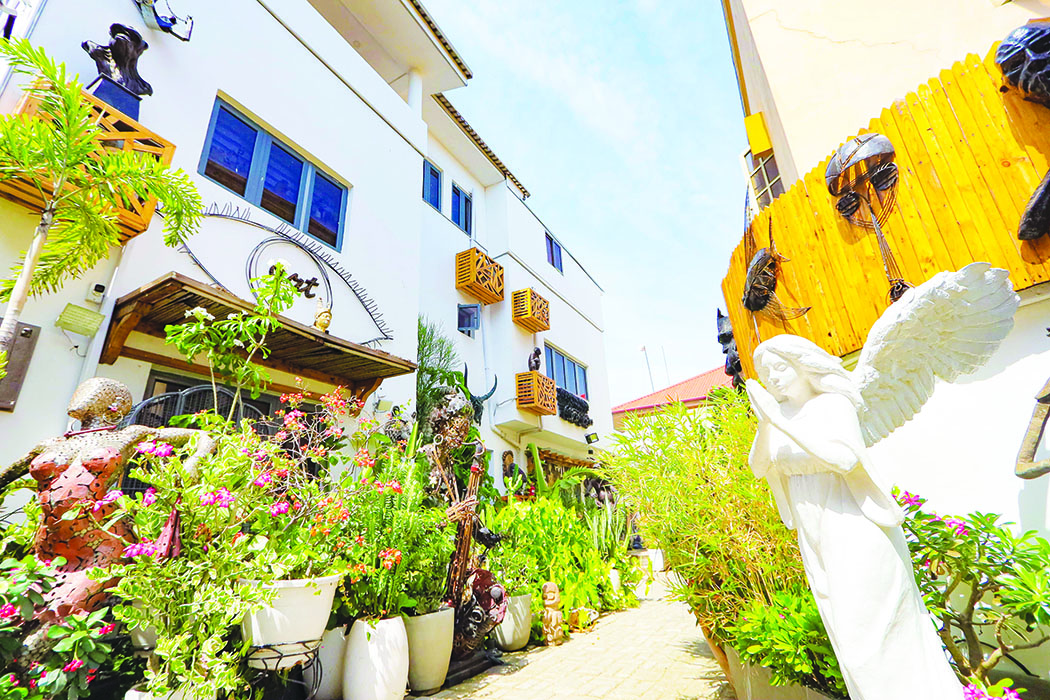
Yet the real shock lay not in the machinations of the scam, but in the choice of target. What made this episode especially unsettling was that Iwalewa is no obscure storefront. Founded by Femi Williams and nestled in a tranquil corner of Lekki Phase I, the gallery has grown into something closer to a cultural ecosystem than a conventional exhibition space. Its holdings—reportedly over 10,000 works—span modern and contemporary African art in all its vibrant diversity. Paintings and sculptures jostle for attention alongside terracotta and textiles; collages seethe with meaning on canvas; tradition leaves its imprints on innovation without apology.
Stepping into Iwalewa is like entering another world. Multiple floors thrum with creative energy, each space telling its own story. Paintings, sculptures, terracotta, textiles, and collages mingle in a rich mosaic of human expression—intimate yet monumental. African music drifts through the air, guiding the eye and spirit, while a curated bar and restaurant serving local delicacies roots the senses firmly in Lagos life. Here, art is not merely seen; it is felt. And behind every curated corner and immersive experience lies a vision that reaches far beyond the gallery’s walls. History, contemporary commentary, and aesthetic delight converge in an atmosphere that is at once welcoming and intoxicating.
Williams’ vision extends well beyond the gallery’s physical spaces. Iwalewa is not just a space for displaying art; it is a dynamic hub for innovation, sustainability, and social impact. Take Rethinking Rubbish, for instance, an ambitious initiative that transforms waste into eco-sculptures, turning discarded materials into striking statements of creativity and environmental consciousness. During lean economic times, the gallery diversified into functional art and furniture-making, supporting artists while keeping Lagos’ creative economy vibrant. Collaborations with organisations such as The VolunteerNG weave the gallery into the social fabric, offering mentorship, capacity-building, and opportunities for young creatives to imagine new futures.
The gallery also serves as a vital platform for both Nigerian masters and emerging talent. Its walls proudly display works by artists like Bruce Onobrakpeya, Nike Okundaye, Duke Asidere, Sam Oviariti, Josiah C. Josiah, and Donald Onuoha. Landmark exhibitions—such as the 20th series of the Araism movement and contemporary reinterpretations of the ancient Nsibidi script—revive historical narratives while sparking dialogue about identity, creativity, and cultural continuity.
Recently, the gallery’s influence has expanded across continents. With the appointment of Kemi Owo as artistic director and chief curator for Iwalewa Gallery, North America, Lagos now speaks confidently to the global art scene. Owo’s curatorial vision bridges local traditions with international platforms, championing contemporary African art that honours heritage while envisioning new possibilities. Under her guidance, Iwalewa transforms culture into a catalyst for collective change, proving that African art is not merely regional—it is a conversation with the world.
Amidst this vibrant ecosystem, the fraud attempt struck like a rupture in an otherwise seamless web. Artists who received the unsolicited messages must have felt a mix of disbelief and unease. In Lagos’ tightly interwoven art world, reputation is currency and authenticity is sacred. To see a name like Iwalewa—trusted, established, and meticulously cultivated—exploited by distant strangers sent shockwaves through the community.
The gallery’s response was swift and uncompromising. Artists and partners were urged to verify identities through official channels, treat unexpected corporate offers with scepticism, and report any suspicious activity immediately. The message was clear: while fraudsters may try to exploit trust, the integrity of the community remains unshakable. In an era where digital deception travels faster than any exhibition catalogue, vigilance is the price of participation—but so too is resilience.
Even as the investigation continues, Iwalewa remains steadfast. Exhibitions go on, talent is nurtured, and cultural integrity is upheld. What could have been a destabilising strike instead became a reaffirmation of mission: to support artists, engage audiences, and position African art on the global stage. The scam, audacious as it was, could not overshadow the gallery’s authenticity, creativity, or the resilience of its community. In the end, Iwalewa does more than weather the storm—it emerges stronger, a living beacon of the enduring power of vision, trust, and cultural stewardship.













Leave a comment