



By Merit Ibe
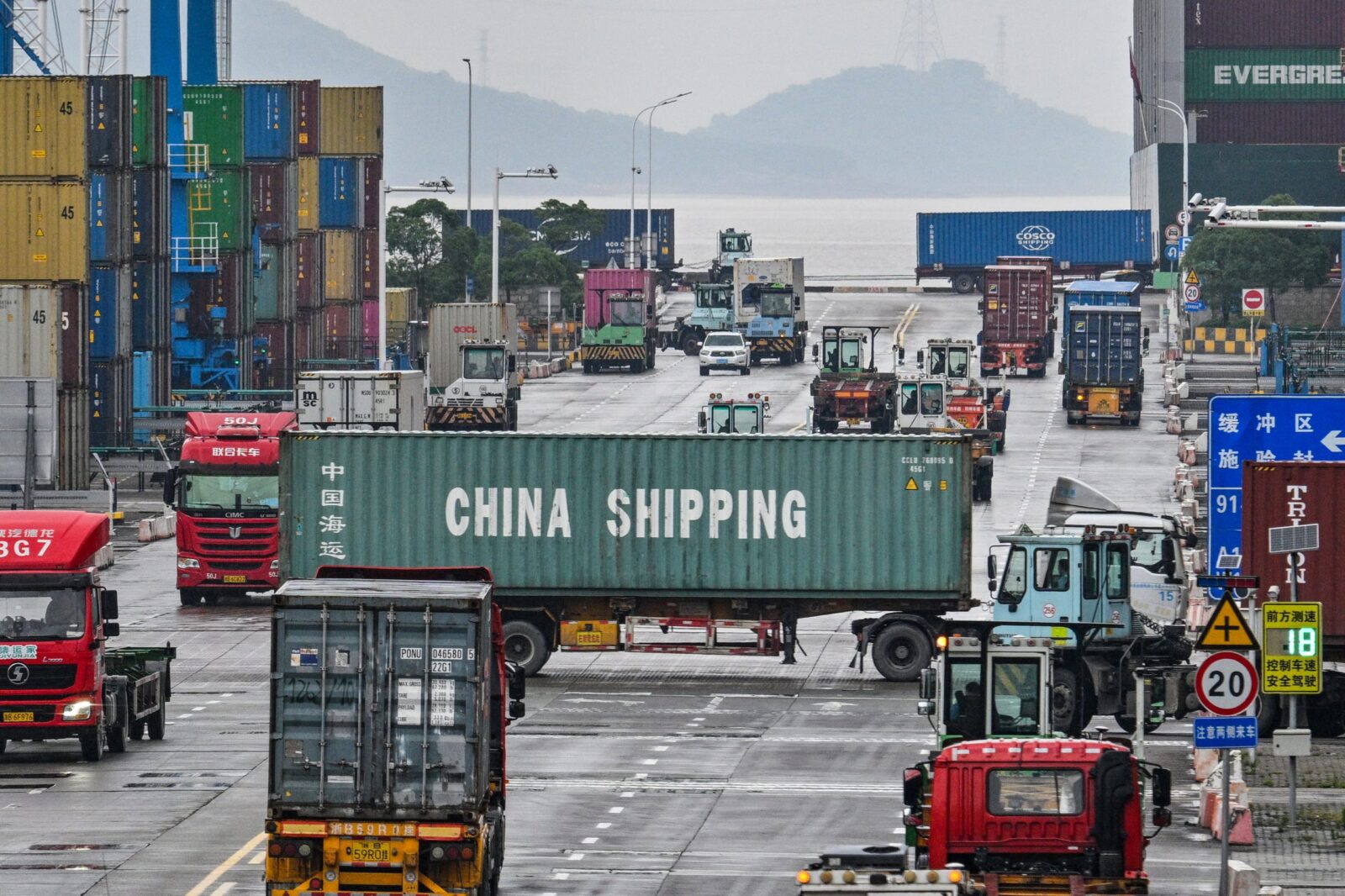
From May 1, 2026, China will eliminate tariffs on imports from 53 African countries, including Nigeria.
The tariff-free access presents Africa’s largest population a rare opening to recalibrate its export strategy and strengthen its position in global value chains.
For decades, Nigeria’s trade with major Asian markets has been dominated by unprocessed crude materials, leaving limited room for value capture at home. The new zero-tariff regime is now prompting a rethink among policymakers and exporters, with growing emphasis on agro-processing, light manufacturing and semi-finished goods that can command stronger margins in global supply chains.
The policy, which grants duty-free access to China’s vast consumer market of over 1.4 billion people, marks a key expansion of existing trade preferences. It extends beyond least-developed countries to include middle-income economies such as Nigeria, South Africa and Egypt, with a focus on boosting exports in agriculture, textiles and minerals.
In the short term, stakeholders agree that the removal of tariffs will make Nigerian goods more competitive by lowering costs and improving access to the Chinese market. Agricultural commodities such as cocoa, sesame, cashew and ginger are expected to benefit from increased demand, alongside agro-processed and light manufactured products. Estimates also suggest that African businesses could collectively save up to $1.4 billion annually in duties.
However, Nigeria’s long-standing dependence on raw material exports remains a key concern. Historically, exports to China have been dominated by crude oil and unprocessed agricultural commodities, which generate lower returns and are vulnerable to global price fluctuations. Experts argue that without a deliberate shift toward value addition, Nigeria may simply export more raw goods without achieving meaningful economic transformation.
To fully leverage the opportunity, stakeholders say Nigeria must prioritise industrialisation and strengthen its manufacturing base. This includes investing in agro-processing industries, improving access to reliable power, and supporting small and medium-scale enterprises to scale production. By converting raw materials into semi-processed and finished goods locally, Nigeria can boost export earnings, create jobs and reduce exposure to volatile commodity markets.
Quality standards and regulatory compliance have also been identified as critical factors.
To build a stronger trade relationship with China, they advise that Nigeria must prioritise industrialisation and quality improvement. This includes investing in processing industries, strengthening standards and certification systems, and improving infrastructure such as ports and logistics. Developing special economic zones and attracting Chinese investment into local manufacturing can also help Nigeria become a production hub for exports to China.
Additionally, addressing non-tariff barriers such as quality requirements and customs procedures is crucial for Nigerian goods to compete effectively.
Ultimately, China’s zero-tariff policy presents a major opportunity for Nigeria to diversify its economy and expand exports. But to maximise the gains, Nigeria must move beyond raw material exports and focus on producing high-quality, value-added goods. If properly harnessed, this initiative could boost industrial growth, create jobs, and deepen long-term trade cooperation between both countries.
Gertrude Akhimien, Lagos Chairman, Nigerian Association of Small Scale Industrialists (NASSI), said it is a great opportunity for both China and Nigeria, but added that Nigeria has to improve the quality of raw materials for export and standards.
“Our products need to align with international quality standards (ISO, product-specific standards) to meet Chinese and global buyers.
“Also we need to invest in value addition locally. Move up the value chain (e.g., crop processing, leather goods, finished minerals) to capture higher margins.
“Improve logistics and exporting processes. Simplify export documentation, reduce turnaround times, and upgrade port/airport infrastructure.
“Support MSMEs by Providing grants, credits, and technical assistance to build capacity for meeting larger demand.
“Create “Nigeria” as a brand for reliable quality and sustainable sourcing (e.g., organic, traceable, ethically produced goods).
“Identify non-oil products with competitive advantages (agro-processing, solid minerals, textiles, and light manufactured goods).
“Foster partnerships between government, chambers of commerce, and exporters to coordinate standards, packaging, and market research.
“Maintain up-to-date information on Chinese demand trends, tariff regimes, and regulatory changes.”
She emphasized that Nigeria will gain greater access to a large market for Nigerian exports to China.
“If tariffs are removed, some Nigerian products could become more price-competitive in China. “There will be diversification of export products. Beyond oil, Nigeria could push for higher-value, processed or semi-processed goods (agro-processed products, minerals, crafts, etc.).”
The NASSI boss noted that the initiative will create enhanced supply chain linkages. “Opportunities for Nigerian firms to integrate into Chinese-led regional value chains, joint ventures, and manufacturing corridors.
“With the foregoing positive effects on Nigeria, there will be Increased demand which can create jobs, spur MSME growth, and encourage investment in logistics and export-ready packaging.
“And if the policy accompanies investment deals, Nigeria could gain access to technology, standards development, and capacity-building.”
Former President, Manufacturers Association of Nigeria (MAN), Mansur Ahmed emphasised that China’s elimination of tariffs on all imports from 53 African countries starting May 1, must be matched with a shift towards producing semi-processed and finished goods, rather than just raw material exports.
For Daniel Dickson-Okezie, an SMEs expert and member of the Lagos Chamber of Commerce and Industry (LCCI), Nigeria stands to gain significantly from this initiative, making it a welcome development.
“It presents a strong opportunity to improve the quality and standards of the country’s export products, particularly raw materials, which remain Nigeria’s dominant export given its limited industrial production capacity. With growing demand from industrial economies such as China, this initiative could help boost exports and improve Nigeria’s balance of payments position.”
However, to fully harness this opportunity, Dickson-Okezie said Nigeria must return to the basics by ensuring strict compliance with international quality standards.
“Equally important is improving quality standards to meet international market requirements. Chinese consumers and industries demand consistency, safety and certification in imported goods. “Nigerian exporters must therefore align with global standards through better packaging, adherence to sanitary and phytosanitary measures, and compliance with export regulations.”
He pointed out that agencies responsible for quality control and trade facilitation have a key role to play in ensuring Nigerian products compete effectively in the Chinese market.
“Key regulatory agencies, including NAFDAC and SON, need to strengthen their oversight and enforcement roles to guarantee that exported raw materials meet global requirements.”
Also, the SMEs expert empahsised the need for improved infrastructure.
“Infrastructure development also remains critical. Poor transport networks, port congestion and high logistics costs continue to undermine Nigeria’s export competitiveness. Addressing these bottlenecks, alongside the rollout of initiatives like the National Single Window for trade can streamline export processes, reduce delays and lower transaction costs, making Nigerian goods more attractive to international buyers.”
Ultimately, the shift in China’s trade structure is not just an external development, it is a call for internal transformation, Dickson-Okezie said, adding that if Nigeria can align its industrial policies, infrastructure investments and export strategies with this global trend, it stands to gain significantly.
“Moving from raw material exports to semi-processed and finished goods is not merely an option; it is a necessity for sustainable economic growth and global competitiveness.”
He also noted that the initiative offers a valuable platform for both small and large-scale exporters to expand their participation in international trade and take advantage of the provisions provided by China.















Leave a comment