



By Chinwendu Obienyi
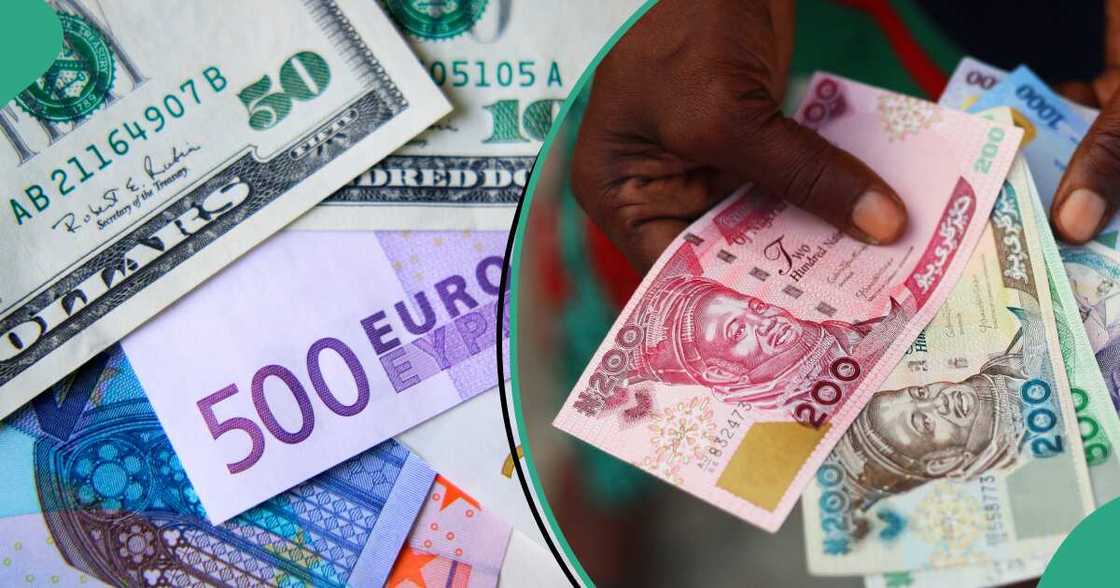
Nigeria’s foreign exchange market recorded a sharp slowdown in inflows in April as reduced interventions by the Central Bank of Nigeria (CBN) and weaker foreign direct investment inflows combined with growing geopolitical uncertainties to pressure market liquidity, highlighting the continued fragility of capital flows into Africa’s largest economy.
According to data released by the FMDQ Group, total FX inflows fell by 30.1 per cent month-on-month (m/m) to $2.86 billion in April, compared to $4.09 billion recorded in March.
The decline reflected weaker inflows from both domestic and foreign sources amid rising global uncertainty and persistent geopolitical tensions that continued to shape investor sentiment across emerging and frontier markets.
A breakdown of the data showed that local inflows, which accounted for 42.8 per cent of total inflows during the period, dropped significantly by 38.7 per cent to $1.22 billion from $2.00 billion in the preceding month.
The sharp decline was largely driven by reduced participation from the central bank, whose inflows plunged by 83 per cent month-on-month. Inflows from exporters and importers also weakened by 19.3 per cent, while non-bank corporates and individuals recorded declines of 18.2 per cent and 33.3 per cent respectively.
Similarly, foreign inflows into the market declined by 21.9 per cent to $1.63 billion in April from $2.09 billion in March. Foreign inflows accounted for 57.2 per cent of the total market inflows during the month under review.
Further analysis indicated that inflows from foreign portfolio investors (FPIs) fell by 17.8 per cent, while foreign direct investment (FDI) inflows dropped sharply by 78.9 per cent. Other corporate inflows also declined by 54.6 per cent during the review period.
Financial market analysts attributed the decline partly to lingering geopolitical concerns, tighter global financial conditions and cautious investor sentiment, particularly among offshore investors seeking safer assets amid heightened uncertainty in global markets.
Analysts at investment firm, Cordros Research noted that although Nigeria continues to benefit from relatively attractive carry trade opportunities and ongoing reforms in the foreign exchange market, global risks are still constraining the pace of capital inflows into the economy.
According to the analysts, foreign investors remain selective in their exposure to frontier markets as concerns around global trade tensions, slowing economic growth and volatility in commodity prices continue to shape investment decisions.
Despite the decline in April inflows, experts maintained that the Nigerian FX market could remain relatively supported in the near term, aided by improved market transparency, sustained monetary tightening and reforms aimed at enhancing investor confidence.
They, however, warned that foreign inflows remain vulnerable to external shocks and shifts in global risk appetite, given the crucial role offshore investors play in providing liquidity to Nigeria’s foreign exchange market.
Market stakeholders also expect the central bank to sustain interventions and policy measures targeted at improving FX liquidity and stabilising the naira as authorities continue efforts to deepen confidence in the market.














Leave a comment