



From Okwe Obi, Abuja
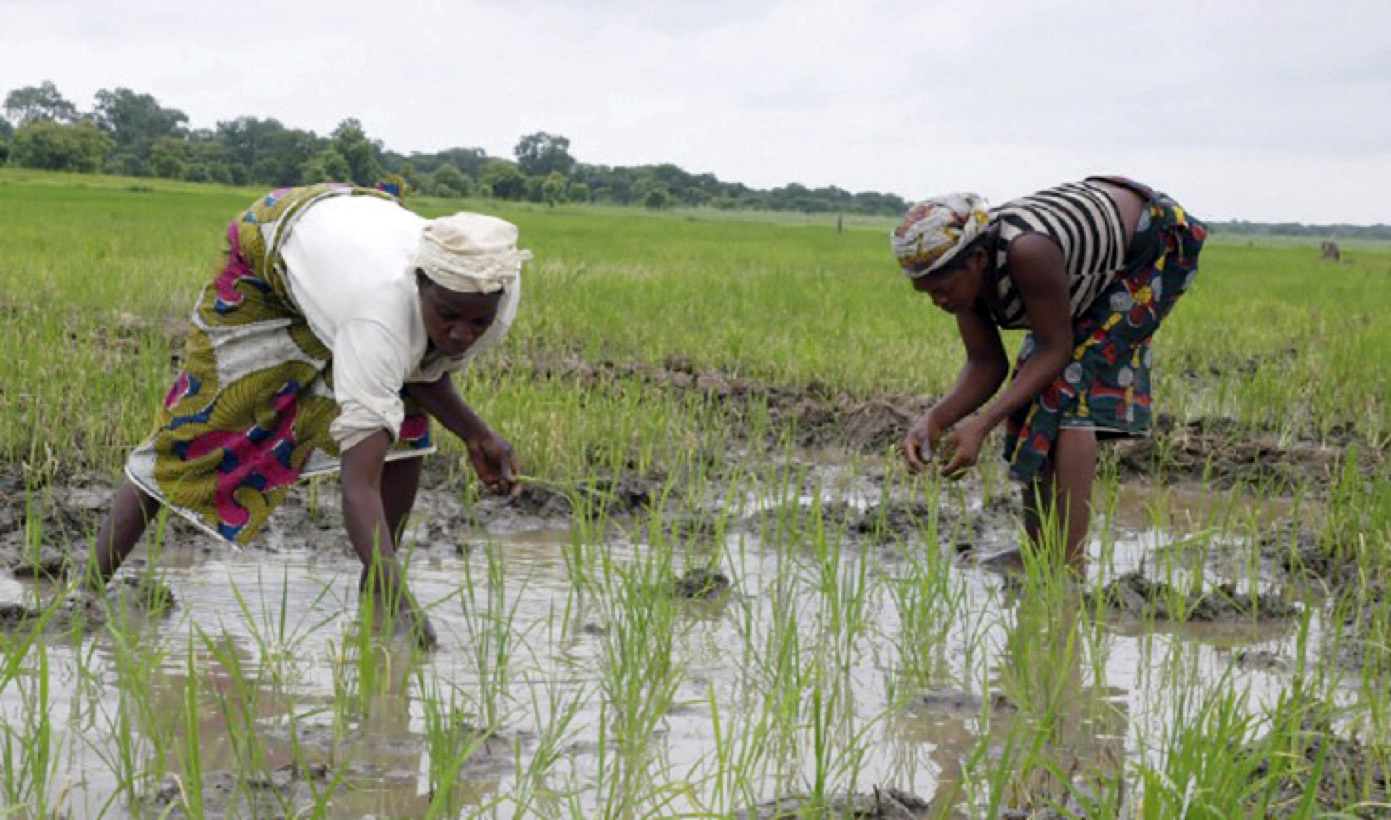
For decades, Nigeria’s agricultural sector has rested heavily on the shoulders of women, yet many of them remain shut out of the very resources needed to thrive. From cultural restrictions on land ownership to limited access to farming inputs and financing, women farmers have long operated at the margins of a sector they help sustain.
Across several communities, tradition still dictates that women cannot inherit or own farmland outright. In cases where they are allowed access, such rights are often temporary, uncertain, or tied to male relatives. The result is a cycle of exclusion that continues to weaken productivity and limit food output.
Beyond land ownership, women also face disadvantages in the allocation of fertilizers, seedlings, mechanised equipment, and agricultural loans. These barriers have not only affected rural livelihoods but have also contributed to lower food production levels for both local consumption and export.
Concerned by the widening gender gap in agriculture and its implications for national food security, the Federal Government, in collaboration with ActionAid Nigeria and other development partners, has validated the Revised National Gender Policy on Agrifood Systems Transformation for Nigeria (NGPAST), alongside its implementation plan for 2025–2030.
Stakeholders say the policy represents more than a bureaucratic exercise. They describe it as a strategic attempt to reset Nigeria’s agricultural ecosystem by promoting inclusion, improving access to opportunities, and creating a more resilient food production system.
The initiative is expected to deepen gender equity across the agrifood value chain while positioning women as active participants in decision-making, production, processing, and distribution.
Speaking during the revalidation exercise in Abuja, the Minister of Agriculture and Food Security, Senator Abubakar Kyari, described the policy as a practical framework aimed at ensuring equitable access to resources and opportunities for both men and women in the agricultural sector.
According to him, the policy marks a major milestone in ongoing reforms targeted at building a more inclusive, productive, and sustainable agricultural economy.
Kyari noted that agriculture remains central to Nigeria’s economic priorities due to its role in food security, employment generation, and economic growth. However, he acknowledged that persistent gender disparities continue to limit the full participation of many Nigerians, especially women who play critical roles across the agrifood chain.
Represented by the Minister of State for Agriculture and Food Security, Abdullahi Sabi, Kyari said the policy would strengthen gender-responsive approaches across government programmes and interventions.
“The policy will strengthen the integration of gender-responsive approaches across agricultural programmes and interventions, which is one of the keys to unlocking the full potential of the sector,” he stated.
He also commended development partners including ActionAid Nigeria, AGRA, and GIZ for supporting the formulation of the policy and helping to advance inclusive agricultural reforms in the country.
The minister urged institutions, agencies, and relevant stakeholders to integrate the policy into their programmes, planning processes, and budget frameworks to ensure measurable impact.
According to him, the Ministry would also establish strong monitoring and accountability mechanisms to ensure effective implementation and measurable outcomes.
In his remarks, the Minister of State for Agriculture and Food Security, Aliyu Sabi Abdullahi, said the initiative aligns with President Bola Tinubu’s Renewed Hope Agenda, particularly the administration’s focus on improving agricultural productivity and strengthening food systems.
For many advocates, however, the real test will not lie in policy documents or government pronouncements, but in implementation. They argue that unless women gain real access to land, credit facilities, extension services, technology, and markets, Nigeria may continue to struggle with low productivity and rising food insecurity.
Experts say empowering women farmers could significantly increase agricultural output, reduce poverty and strengthen household nutrition across rural communities.
With food inflation rising and millions of Nigerians battling economic hardship, stakeholders insist that excluding women from agriculture is no longer just a social issue, it is now an economic risk. The new policy, they say, could become a turning point in dismantling decades of structural inequality in Nigeria’s agricultural sector and opening the door to a more inclusive and food-secure future.
Abdullahi added that one of the ministry’s flagship initiatives is the development of a standard framework for ease of doing agriculture and food security, with strong emphasis on inclusiveness for youth and women across agricultural ecosystems.
He, also, revealed that in collaboration with the Office of the First Lady, Oluremi Tinubu, the ministry has been promoting the “Every Home a Garden” initiative, alongside home economics and nutrition knowledge transfer programmes, being implemented at state and local government levels under the Renewed Hope Initiative to achieve food and nutrition security.
According to him, ‘’flagship interventions such as the Renewed Hope Mechanization Programme have prioritized inclusivity, with women farmers among the first set of beneficiaries.
He added that the Renewed Hope Cooperative Revamp Programme is also designed to expand access to agricultural support services for youth, women, and smallholder farmers nationwide.
Earlier, the Permanent Secretary in the Ministry, Dr Marcus Ogunbiyi, represented by the Director, Department of Farm Input Support Services, Abana Waziri Abba, stated that policy would help address key challenges affecting gender inclusion and productivity in the agricultural sector. He noted that the policy would strengthen coordination, improve access to inputs, and enhance the participation of vulnerable groups in agribusiness.
He said the highlight of the event was the launch of the Strategic Plan of Action for 2025–2030 Document.















Leave a comment