



From Adanna Nnamani, Abuja
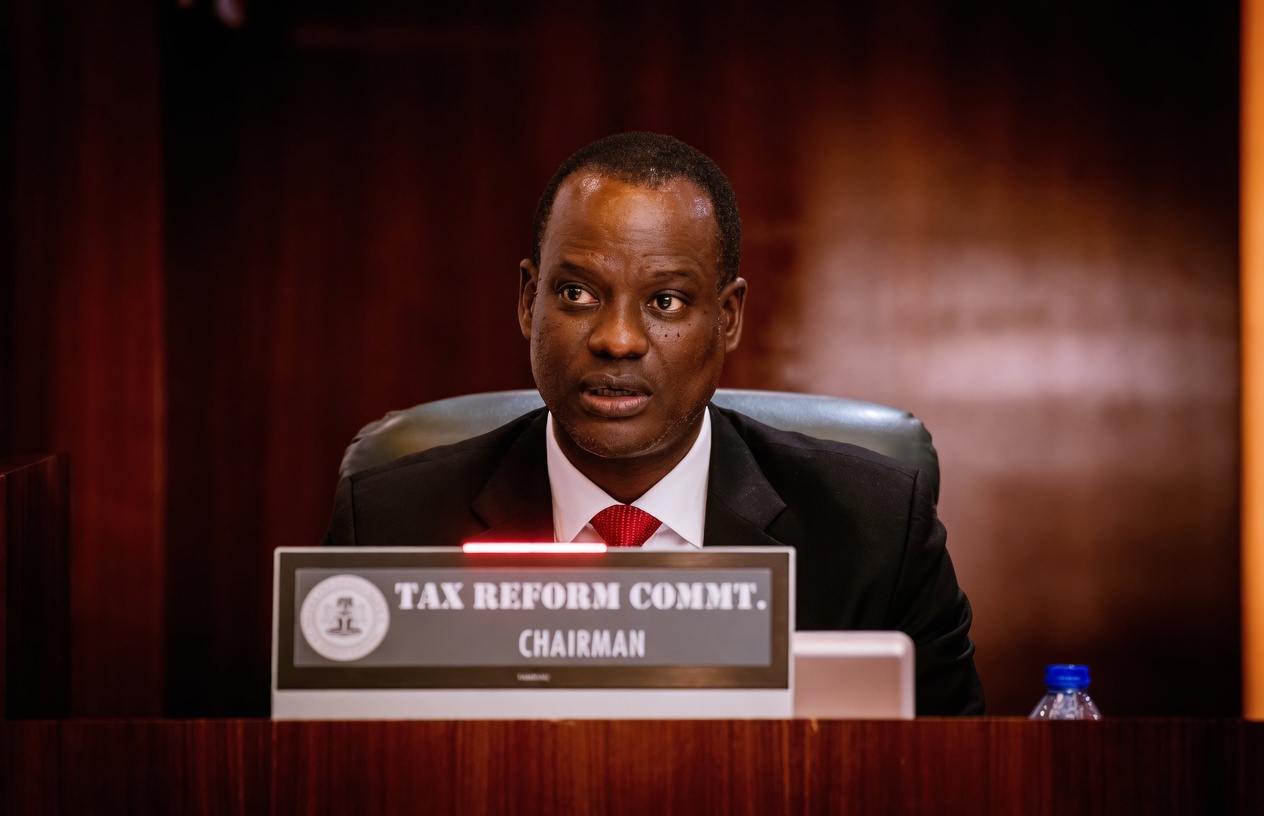
The Minister of Finance and Coordinating Minister of the Economy, Taiwo Oyedele, has declared that the nation can no longer rely mainly on borrowing to finance national development, stressing the need for a sustainable fiscal system driven by effective tax reforms.
Oyedele stated this on Tuesday in Abuja while delivering the lead plenary address at the 28th Annual Tax Conference of the Chartered Institute of Taxation of Nigeria (CITN), themed “Tax Reforms and Global Relevance: Positioning Nigeria’s Tax System for a Sustainable Future.”
According to the minister, the Federal Government’s ongoing tax reforms are designed to build a globally competitive, socially equitable and fiscally sustainable tax system capable of supporting long-term economic growth.
He noted that the country must develop a fiscal framework that can sustainably fund critical sectors such as infrastructure, healthcare, education, security and social protection without depending excessively on debt financing.
“Nigeria cannot continue to finance development primarily through borrowing,” Oyedele said, insisting that the country must strengthen domestic revenue generation through efficient and transparent taxation.
The minister explained that the reforms became necessary due to longstanding structural weaknesses in the country’s tax administration system, including multiple taxation, fragmented administration, weak compliance, informality and rising compliance costs for businesses.
He said the reforms are not aimed at increasing taxation for its own sake, but at creating a stronger fiscal foundation for national development.
According to him, the new tax framework is designed to simplify taxation, improve fairness, encourage investment and promote voluntary compliance, while moving the country away from a system driven by discretion and fragmentation.
Oyedele disclosed that minimum wage earners have been exempted from personal income tax under the reforms, while many low- and middle-income earners would face lower tax burdens to strengthen inclusion and reduce inequality.
He added that the government is also creating a more competitive corporate tax environment to attract investment, stimulate enterprise growth and support job creation.
“Our objective is clear: grow the economy, and revenue will follow. Support enterprise, encourage expansion, and decent jobs will be created,” he stated.
On tax administration, the minister said the government is modernising the Value Added Tax system through expanded input VAT credits, clearer exemptions and zero-rating for essential goods and services.
He also revealed that the Federal Government is collaborating with subnational governments to harmonise taxes and reduce the burden of multiple taxation on businesses, noting that 15 states have already enacted tax harmonisation laws.
Oyedele further reaffirmed the government’s commitment to transparency and taxpayer protection through the establishment of the Office of the Tax Ombud and improved dispute resolution mechanisms.
The minister stressed that technology would remain central to the reform process, with initiatives such as VAT fiscalisation, the National Single Window and Rev360 expected to improve efficiency, transparency and ease of compliance.
“A globally relevant tax system is not one that merely collects revenue. It is one that supports competitiveness, encourages enterprise, protects citizens, attracts investment, and strengthens national development. That is the future we are building,” he said.
















Leave a comment