



By Uche Usim
The Multilateral Investment Guarantee Agency (MIGA) is ramping up efforts to unlock private capital for Africa, with plans to more than double its annual guarantee issuance on the continent to $6.4 billion over the next three and a half years.
The move, reported by Reuters on Tuesday, is expected to catalyse as much as $23 billion in private sector investment across key sectors including energy infrastructure, food security, trade finance, digital connectivity and sovereign debt restructuring.
The expansion underscores a growing shift among development finance institutions toward deploying guarantees as a primary tool for de-risking investments in frontier markets and attracting private capital flows into economies often viewed as high-risk.
MIGA’s Managing Director, Tsutomu Yamamoto, said the scaled-up programme would play a critical role in mobilising investment, creating jobs and strengthening economic resilience across African countries. He noted that the agency’s instruments—ranging from political risk insurance to credit enhancement, debt swaps and portfolio guarantees—are designed to reduce investor exposure and improve project bankability.
The guarantee push will continue to focus on strategic sectors such as power grids, local banking systems, agriculture and food supply chains, as well as digital infrastructure, all of which are seen as foundational to long-term economic growth across the continent.
Although the agency did not disclose specific projects in its pipeline, it said the expansion reflects rising demand for risk-sharing mechanisms in emerging markets, particularly as governments grapple with tight fiscal conditions and limited access to affordable financing.
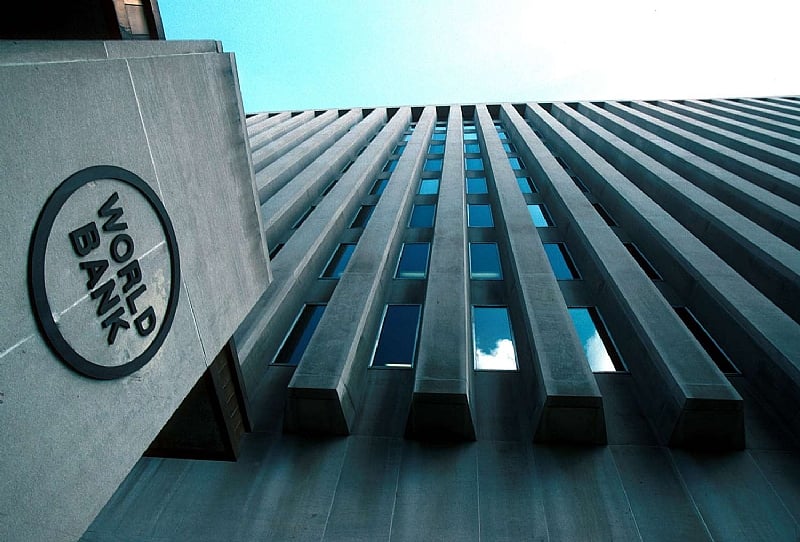
The development follows a broader restructuring within the World Bank Group nearly two years ago, which consolidated guarantee operations to scale up private sector investment mobilisation globally.
MIGA has already played a role in pioneering debt swap transactions in Ivory Coast and Angola, while also supporting food security initiatives in Kenya and backing more than 100 energy projects across emerging markets. Its guarantees have further underpinned lending operations in countries such as Ghana and Zambia, helping to stabilise financial systems and sustain credit flows.
The agency’s latest push reflects a wider evolution in development finance strategy, where guarantees are increasingly used to stretch limited public funds and crowd in private investors. By lowering perceived risks, these instruments make large-scale infrastructure and development projects more attractive to commercial financiers who would otherwise stay on the sidelines.
This shift is gaining urgency as many advanced economies scale back aid budgets while simultaneously seeking stronger economic ties and resource access in Africa.
In response, multilateral lenders are leaning more heavily on innovative financial tools like guarantees to bridge funding gaps and sustain development momentum.
MIGA’s broader ambition is to help lift the World Bank Group’s global guarantee issuance to $20 billion annually by 2030, positioning guarantees as a central pillar in financing sustainable development across emerging markets.













Leave a comment