



From Idu Jude, Abuja
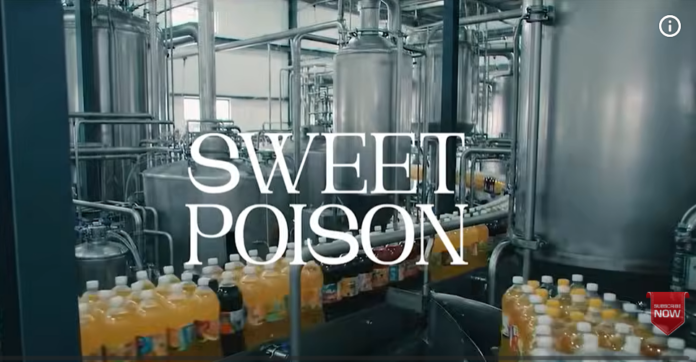
Corporate Accountability and Public Participation Africa has premiered a hard-hitting documentary, Sweet Poison, spotlighting the growing consumption of sugar-sweetened beverages (SSBs) in Nigeria and its links to rising non-communicable diseases (NCDs) and environmental damage.
The 20-minute film, unveiled at a media screening in Lagos, examines how ultra-processed food and beverage companies have embedded sugary drinks into everyday life through aggressive marketing and deep market penetration—raising serious public health concerns.
In a statement following the premiere, CAPPA warned that as sugary beverages become staples in homes, schools and communities, Nigeria is witnessing a surge in diet-related illnesses, including Type 2 diabetes, hypertension, obesity and cardiovascular diseases.
“Blending expert analysis with personal stories and striking visuals, the documentary features perspectives from policymakers, medical professionals, NCD patients, traders, fishermen, and university students to examine the growing public health crisis linked to the excessive consumption of sugary drinks,” the group said. It added that the film also exposes the environmental footprint of the beverage industry, from plastic waste to resource-intensive production.
Executive Director of CAPPA, Akinbode Oluwafemi, described the project as an effort to connect science with lived realities.
“Sweet Poison is an attempt to connect the dots,” he said. “It combines medical evidence, lived experiences, and on-the-ground realities to show how growing dependence on sugary drinks is quietly reshaping the nation’s health profile.”
The documentary also highlights CAPPA’s push to mobilise young people in policy advocacy across national and sub-national levels.
At the centre of the conversation is Nigeria’s sugar-sweetened beverage tax introduced under the Finance Act 2021, which imposes a N10 per litre excise duty on sweetened drinks. CAPPA argues that the current structure has had limited impact on consumption patterns and industry behaviour.
According to the group, the film advocates a more effective framework, proposing a 50 per cent excise tax on the final retail price of SSBs—or at least no less than 20 per cent—alongside dedicating part of the proceeds to public health programmes.
“With the burden of non-communicable diseases rising and healthcare costs climbing, Nigeria cannot afford half-measures,” Oluwafemi added. “A stronger SSB tax is a fiscal tool, and a necessary public health intervention.”
The screening attracted key stakeholders, including medical professionals, health advocates and policy voices such as Dr. Saheed Babajide of the Nigeria Medical Association, diabetes advocate Ronke Opaleye, and Dr. Leslie Adogame of Stradev Nigeria, among others.
Sweet Poison premiered on TVC News on May 5, 2026, and is currently airing across multiple platforms nationwide, while also available on CAPPA’s digital channels.
As debates around food systems and public health intensify, the documentary lands as both a warning and a call to action, urging policymakers, the media and the public to confront a growing but often overlooked health crisis.
















Leave a comment