



…Seek urgent review
By Merit Ibe
For those who watch Nigeria’s economy closely, the country is not deficient in crafting fantastic trade policies with local, regional and global partners.
What is worrisome is that the deals usually move from signature to stagnation, as implementation remains a major obstacle between vision and fruition.
Though designed to boost industrialisation, regional integration, exports and foreign investment, the blueprints usually sail into a tempest and ultimately rob the nation of the conceived benefits.
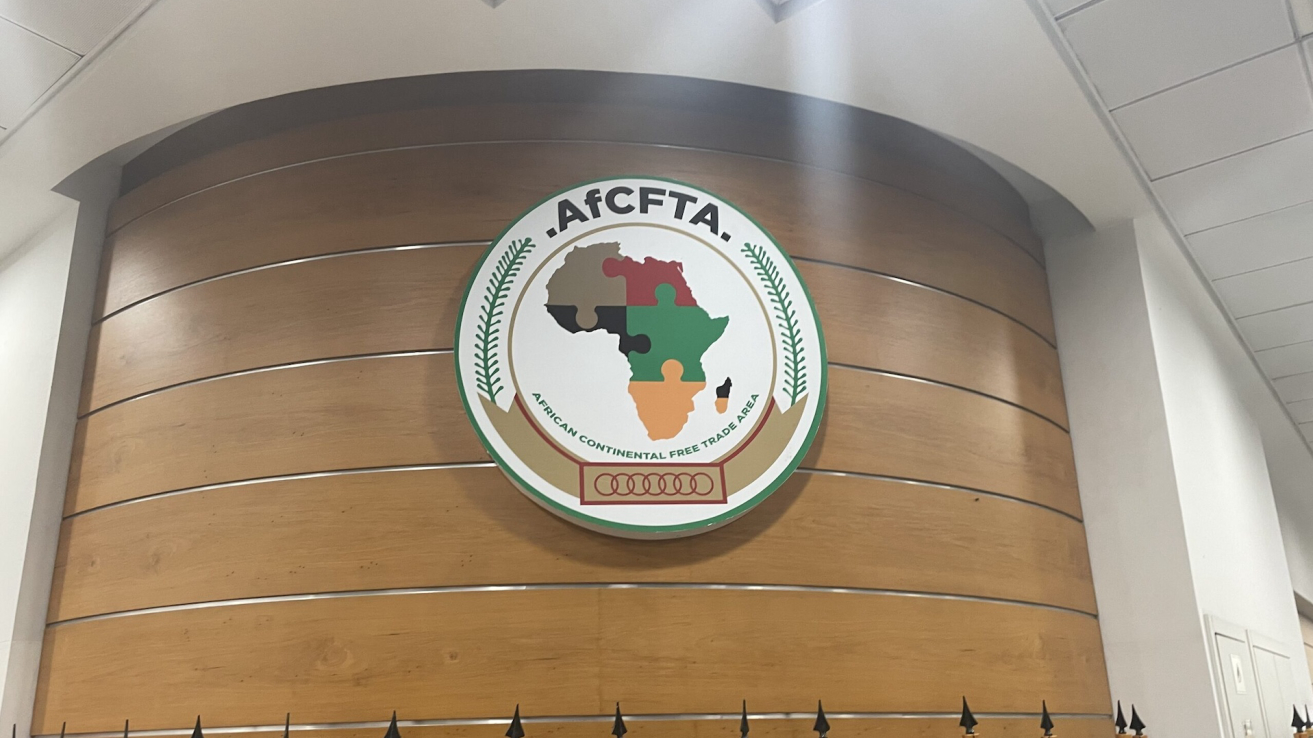
From the African Continental Free Trade Area (AfCFTA) to the ECOWAS Trade Liberalisation Scheme and several bilateral arrangements with foreign partners, many of the agreements have remained ineffective due to policy inconsistencies, weak institutional coordination, poor infrastructure and inadequate stakeholder engagement.
Successive administrations, stakeholders argue, have continued to sign agreements without putting in place the domestic structures required for execution. Manufacturers, exporters and small businesses still grapple with high production costs, multiple taxation, port bottlenecks, insecurity and foreign exchange instability, limiting the expected gains from such trade frameworks. Analysts say many of the agreements exist largely on paper, while Nigeria continues to lose opportunities within regional and global trade partnerships.
A former director general of the Nigerian Association of Chambers of Commerce, Industry, Mines and Agriculture, Dr. John Isemede, has therefore, called for a comprehensive review of Nigeria’s trade agreements and policies to ensure they align with national economic priorities and support local industries.
According to Isemede, Nigeria has signed more than 700 agreements since independence in 1960, yet lacks a central coordinating system or public repository for such agreements.
“Trade agreements begin from domestic policy and extend into foreign policy. But Nigeria has signed over 700 agreements without a proper coordinating pool. Different groups travel abroad to sign agreements, and many of the documents are kept privately instead of being centrally managed,” he said.
He explained that under Sections 12 and 19 of the Nigerian Constitution, international agreements must be domesticated by the National Assembly before they can become enforceable laws in Nigeria.
“Many agreements cannot effectively be relied upon in court because they were never properly domesticated. In several cases, we do not even know who signed some of these agreements,” he added.
Isemede stressed the need for stronger institutional coordination involving the Ministries of Foreign Affairs, Trade and Investment, Justice, as well as chambers of commerce and trade institutions. He noted that in many countries, trade agreements are coordinated through recognised national institutions, unlike Nigeria where numerous associations and organisations independently enter into agreements.
He also criticised the inconsistency in Nigeria’s trade and foreign policies, arguing that many agreements have favoured imports over exports, thereby weakening local industries and industrial growth.
According to him, Nigeria reportedly operated for years without a properly aligned trade policy under global trade standards, including those of the World Trade Organization. He identified several categories of trade arrangements, including Preferential Trade Agreements (PTA), Free Trade Agreements (FTA), Customs Unions (CU) and Common External Tariffs (CET), noting that many agreements were never effectively implemented or properly archived.
AfCFTA
On the African Continental Free Trade Area agreement, Isemede said Nigeria’s participation remains important despite current implementation difficulties.
“We may be disadvantaged today, but we will benefit later if we put the right structures and experts in place. Nigeria is a major consumer market and manufacturers will come here if our policies are right,” he said.
He argued that reducing excessive taxes, checkpoints and policy bottlenecks would encourage manufacturing investments capable of generating employment, taxes, exports and foreign exchange earnings.
Agriculture and food security
The trade expert also linked Nigeria’s trade challenges to weaknesses in agriculture and food security. He lamented that despite Nigeria’s vast arable land and numerous agricultural institutions, the country still struggles with food imports and weak local production.
According to him, poor funding, weak implementation of agricultural policies, lack of commodity boards and poor linkage between research institutions, farmers and processors have undermined agricultural development.
“It is painful that despite our vast land, manpower and institutions, Nigeria still struggles to feed itself. We abandoned strong value chains and allowed imports to dominate,” he said.
Policy inconsistency
Isemede further criticised policy inconsistencies and inadequate consultation in policy formulation, stressing that policies should be evidence-based and developed through stakeholder engagement.
“As a way of strengthening policy making, especially in trade and related areas, policies must follow proper consultations, transition processes and evidence gathering. We cannot continue to do things anyhow and expect positive outcomes,” he stated.
He recommended that Nigeria should review and sequence all existing agreements, discard expired or unfavourable ones, strengthen beneficial agreements and establish a central repository for all trade-related documents.
“We need to put our heads together and know all our agreements. Nigeria needs a proper pool and coordinating system,” he said.








Leave a comment