



…As FAAN, foreign carriers meet to fix service gaps
By Chinelo Obogo
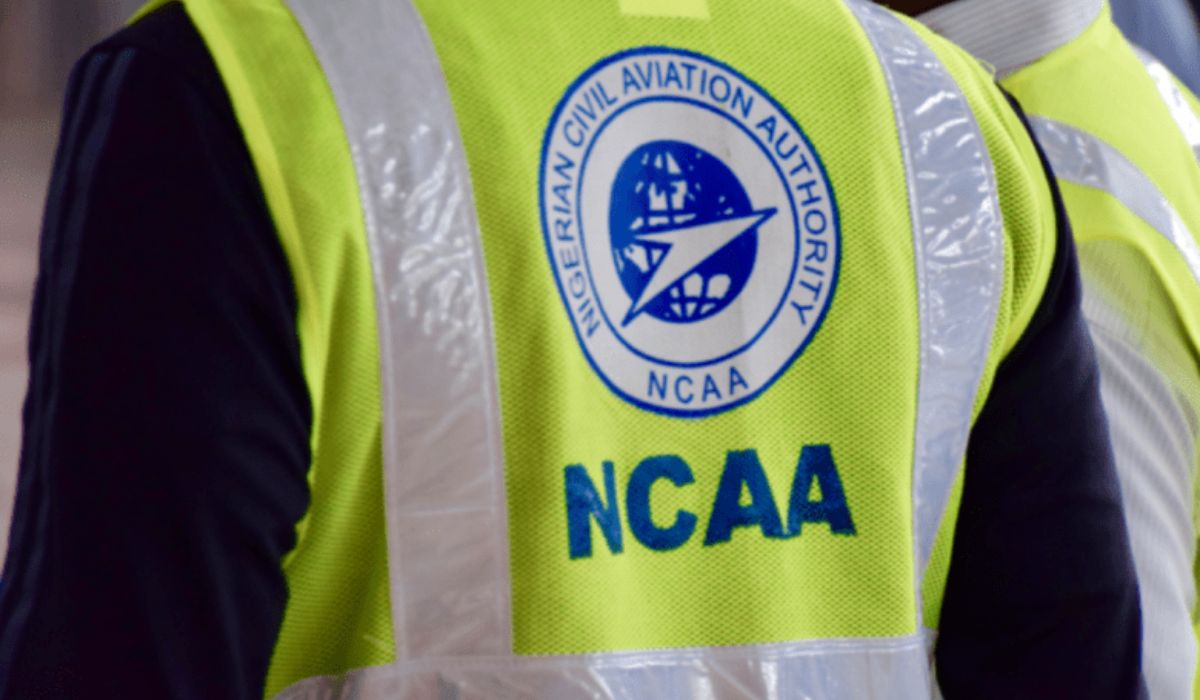
The Nigerian Civil Aviation Authority (NCAA) has put 11 domestic operators on a “No-Pay-No-Service” list over outstanding debt to the regulator.
In an internal memo dated May 22, 2026, signed by the Director of Finance and Accounts, Olufemi Odukoya and circulated across the authority’s operational departments and regional offices, all NCAA directorates were directed to withhold services from affected airlines pending financial clearance from the directorate.
The directive was also copied to the Director-General of Civil Aviation (DGCA), regional managers and other senior officials within the authority.
Airlines named in the directive include Air Peace, Ibom Air, Arik Air, Umza Air, NG Eagle, Max Air, Caverton Helicopters, Overland Airways, Rano Air, ValueJet and United Nigeria Airlines.
The NCAA generates revenue through statutory charges and service-related payments from airlines to fund inspections, oversight responsibilities, personnel obligations and other regulatory functions. When remittances are delayed, it affects the authority’s operations.
With the jet A1 crisis, multiple charges and taxation, airlines are struggling to stay afloat and sustain daily operations, hence unresolved financial issues could worsen the pressure they are facing.
Several stakeholders believe both airlines and the regulator may seek measures that allow essential services to continue while outstanding financial obligations are addressed.
Meanwhile, the Federal Airports Authority of Nigeria has intensified efforts to tighten airport operations and improve passenger experience, following a high-level engagement with airline operators at the Murtala Muhammed International Airport.
The meeting, held on May 21, 2026, brought together FAAN’s Director of Public Affairs and Consumer Protection, Henry Agbebire, and members of the International Airlines Association of Nigeria in a candid session focused on resolving operational bottlenecks and strengthening coordination.
Agbebire said the engagement was part of a broader strategy to deepen collaboration between FAAN’s Protocol and Passages Department and airline operators, while creating a feedback loop to address service gaps affecting passengers.
“This platform allows us to engage directly, understand concerns, and work towards practical solutions that enhance service delivery,” he said.
Airline representatives pointed to several pressure points linked to ongoing infrastructure upgrades at the airport.
Chief among them were poor signage around landside construction areas, a shortage of functional lifts, inefficiencies in shuttle bus services, and disruptions to airside ramp markings caused by construction works.
They noted that these challenges, though tied to long-term improvements, are already affecting passenger flow, increasing wait times and creating avoidable confusion within terminal environments.
Operators also called for more structured support from FAAN to maintain service standards during the upgrade phase, stressing that consistency in passenger handling is critical to airline performance and customer satisfaction.
Responding, Agbebire assured that all concerns raised would be reviewed and addressed, with FAAN prioritising measures that improve both operational efficiency and user experience.
He reiterated the authority’s commitment to aligning airport services with global standards, even as construction activities continue across major facilities.
The engagement underscores a growing recognition within the aviation ecosystem that infrastructure upgrades must be matched with real-time operational adjustments.
For FAAN and airline operators, stakeholders say, sustained dialogue and quick response to emerging issues will be crucial to ensuring that ongoing investments translate into smoother, more reliable airport experiences for travellers.
















Leave a comment