



Bennett Oghifo
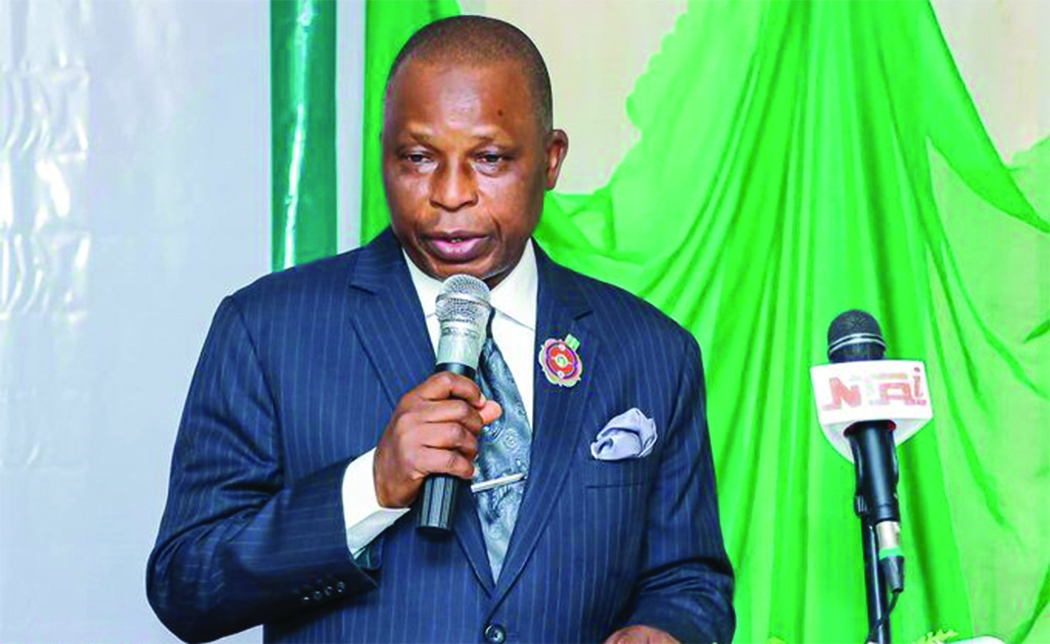
At the Shehu Musa Yar’Adua Centre, Abuja, the atmosphere on December 9 carried the weight of reflection, urgency, and renewed hope as Nigeria joined the global community to mark the 2025 International Anti-Corruption Day.
Anchored on the theme, “Uniting with Youth Against Corruption: Shaping Tomorrow’s Integrity,” this year’s commemoration interrogated a familiar reality: that the strength of Nigeria’s anti-corruption future rests firmly in the hands of its youth.
Delivering the keynote address, the Attorney-General of the Federation and Minister of Justice, Lateef O. Fagbemi, described the day as a reminder of the, “global urgency for the fight against corruption” and a call for Nigeria to intensify efforts in shaping transparent governance systems. But his emphasis was unmistakable—Nigeria’s youth, he argued, are not just participants in this fight; they are the decisive factor.
“A hopeful youth is harder to corrupt; an engaged youth is harder to mislead; and an empowered youth is a powerful force for national transformation,” he noted, aligning this stance with the administration’s ongoing reforms under President Bola Ahmed Tinubu.
Fagbemi detailed a suite of government initiatives designed to close the vulnerability gaps that often push young people toward corrupt alternatives. These include the 3 Million Technical Talents (3MTT) programme, aimed at deepening digital capacity; the Nigerian Youth Academy (NiYA), created to strengthen innovation skills; and the expanding Nigeria Education Loan Fund (NELFUND) which is widening access to tertiary and vocational training. In parallel, entrepreneurship-support platforms like NYIF and iDICE are offering young Nigerians pathways to create wealth without compromising integrity.
He emphasised that inclusion in governance has been more intentional, with a growing number of young Nigerians appointed into key public roles. Yet he challenged this demographic—especially those already in government—to become “true ambassadors of integrity.”
The AGF also linked Nigeria’s recent exit from the FATF grey list to the administration’s intensified push for financial integrity. He urged broader collaboration among public institutions, civil society, private sector actors and development partners to sustain the fight.
Earlier in her welcome address, Mrs. Jane Onwumere, Head of the Technical Unit on Governance and Anti-Corruption Reforms (TUGAR), framed the day as both a celebration of progress and a sober reminder of the social and economic scars corruption continues to leave behind.
She lamented how graft has fuelled the “japa wave,” draining the nation of young talent and fracturing families—the very unit from which values of integrity should spring.
Onwumere underscored that this year’s focus on youth was deliberate, insisting that they are “not only beneficiaries of good governance, but they are co-architects of it.”
To reinforce this, the day’s programme centred on youth-led activities: a debate between public secondary schools on whether youth activism is a more effective tool against corruption than institutional reforms; a dance drama by NYSC members; and a spoken-word performance highlighting the moral costs of corruption.
Beyond symbolism, the event offered practical discourse. Two panel sessions explored Nigeria’s emerging tax policies as tools for accountability and strategies for sustaining compliance with anti-corruption standards following the country’s removal from the FATF grey list.
Throughout the proceedings, the role of partnership remained a recurring theme. The Inter-Agency Task Team (IATT)—which has jointly commemorated the day since 2009—was commended for fostering synergy among anti-corruption institutions.
Development partners, including the EU, IDEA/RoLAC, UNODC, MacArthur Foundation and CDD were also recognised for their sustained support.
The event closed on a forward-looking note. Fagbemi urged Nigerians not to relent in the collective struggle, cautioning that the road ahead “will not be easy because the fight against corruption is long and complex.” But he insisted it is a fight worth sustaining, not only for today’s citizens but for generations yet unborn.
In a country where the cost of corruption is measured not only in lost revenue but in lost confidence, the 2025 commemoration served as both a mirror and a map. It reflected hard truths—but also charted a future in which integrity, driven by a mobilised youth population, may finally become the norm.












Leave a comment