



Charles Ajunwa
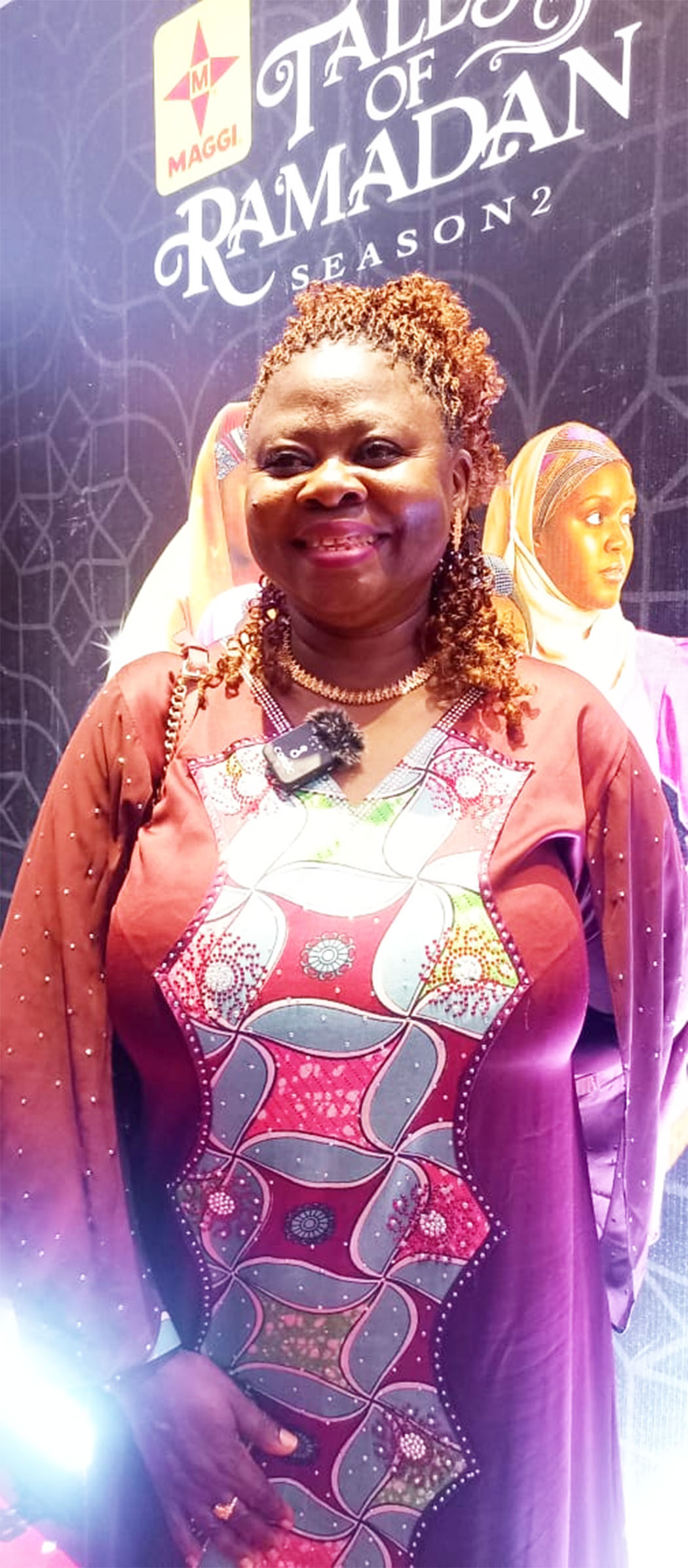
Maggi, one of the products of Nestle Nigeria, has unveiled ‘Tales of Ramadan Season 2’, which has six episodes that will air weekly over the next six weeks on some selected social media platforms and television stations across the country and beyond for the Muslims faithful during this year’s holy month of Ramadan.
Managing Director and Chief Executive Officer of Nestle Nigeria, Wassim Elhusseini and his wife, guests, cast and crew all gathered at Ebony Life Cinema Place, Victoria Island, Lagos, where two out of the six episodes of Maggi Tales of Ramadan Season 2 were unveiled.
Two of the episodes tell the story of family and friendship, with the actors and actresses displaying real energy. The two episodes ended with a taste Maggi, as different delicacies cooked with Maggi ingredients were lavishly served and all those who enjoyed the meals demanded for more.
Category Lead for Maggi Culinary for Nestle Nigeria, Funmi Osineye, said Ramadan is at heart of Maggi.
“It’s something that we care and we are passionate about because of our consumers. And it’s not something we just started now, it’s something that we have been doing over the years.
“It has evolved over the years, we started with cooking with families, showing cooking recipes and we evolved it from showing cooking recipes to showing bonding with families. Showing what happens, which is community bonding and sharing during the holy month of Ramadan,” she said.
On the concept behind the movie, Osineye said, “Because we are a brand that really cares about our consumers and we know that the month of Ramadan is one important month for our Muslim faithful, who are a major part of our consumers. So we feel that we have to do something that resonates and really brings them together. Ramadan is all about fasting, praying, and sharing. For us, as a sharing brand we feel that we should bring stories that they can resonate with and that they can learn and take something out during the month of Ramadan. It’s a family story, so we want them to have a takeaway out of it that can resonate with the family and really bond the family.”
According to her, “Maggi is all about food, and what food does is to connect people together. So in tourism, movies, and anything we do it’s all about food and connecting those sharing moments together.
“What I will say to the younger and older ones is eat healthy. Whatever you do ensure that it’s a healthy lifestyle and use our products. Our products are made from fresh ingredients that you know and you love on your kitchen. Take for example, our Maggi Chicken you have inside onions, tumeric and others. These are things you use every day in your family. So in whatever you do, eat healthy, use Maggi and bring that taste to your cooking.”
On what to expect in future, she said “This is the second of Tales of Ramadan, we had the first season last year where we had 30 days of amazing stories that we took as project and this year is not different. This year, we have 30 days of Tales of Ramadan and you will be seeing all the episodes. We have six episodes, you just saw six out of it and we have four more. We are telling you to stay tuned on our U tube, Facebook, Tik Tok, Instagram channels and all the television channels that we are going to be viewing the movie. This is not a stop for Maggi, it’s something that is going to become a household name and you will look forward to every Ramadan to viewing it.”
The series is produced by Josh Olaoluwa, Goodness Emmanuel, and Hope Eniayekan through Conceptified Media, with cinematography by Timmy Davies, while Tomi Folowosele returns as head writer following her work on the first season.
The series is directed by Orire Nwani and Adeniyi J. Omobuleijo, who previously directed ‘Irora Iya’, a series about the harrowing journey to motherhood. The cast includes Lucy Ameh, Sani Muazu, Saeed Mohammed (Funky Mallam), Abba Alli Zaky, Farida Abdullahi, Yakubu Mohammed, Rabiatu Suleiman, and Chidinma Ugwu.















Leave a comment