



Tosin Clegg
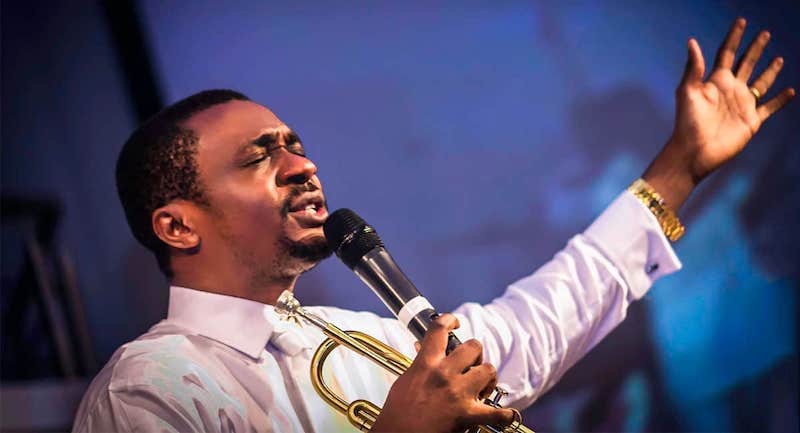
August 27, 1981, seemed like an ordinary day, but it marked the birth of a future global voice in gospel music and ministry—Nathaniel Bassey. Over the decades, his music and pastoral calling have touched hundreds of thousands, transforming lives through spiritual depth, worship artistry, and devotion to God.
Known for spirit-filled songs such as “Imela,” “Onise Iyanu,” and “Olowogbogboro,” Nathaniel Bassey has grown into one of the most influential and widely listened-to gospel ministers in Nigeria and beyond. His music beautifully blends genres including jazz, contemporary worship, hymns, and medleys, creating a rich sound that resonates across generations and denominations. Beyond his music ministry, Bassey is deeply rooted in service and leadership within The Redeemed Christian Church of God (RCCG). He mentors and guides young believers, combining music, worship and sound biblical teaching in his ministry.
After years of delivering mind blowing gospel music and enriching souls, he started the #HallelujahChallenge in June 2017, where he and other believers worship God in unison.
The Challenge is an hour-long online praise program unto the Lord. These sessions of praise hold daily during designated periods every year, as God leads the convener. Commencing at 11:59PM, it features sessions of passionate praise and prayer. So far it has become a mountain of high praises, fervent prayer, heartfelt worship, deliverance, breakthrough, miracles and signs.
It all started from an Instagram Live video by Bassey, streaming praise and worship from his living room. That initial praise session went on to attract tens of thousands around the world, joining online to praise God together. Editions of the Halelujah Challenge often (but not always) ends with a Festival, which holds at a physical venue. It features time of praise, intercession prayer and lots of testimonies.
The primary inspiration of the Challenge is to praise of God. As it is in scriptures, when believers gather together to offer praise, God is provoked to do more. Testimonies arise and judgment is rendered upon the enemy. No surprise why the key scripture of the Challenge is: Acts 16:25-26
Since 2017, every edition of the Hallelujah Challenge has been confirmed with testimonies, many so shocking that they are hard to share publicly. Even personally, for the convener some of his personal testimonies are so mind-blowing that to reason it through seems impossible, but keying into the verse that says with God nothing is impossible.
As the February 2026 edition commenced many testimonies have started pouring in on how the power of God has been made manifest through the program.
According to Bassey, the February 2026 Hallelujah Festival, which crowns the conclusion of the programme would be filled with joy unspeakable. He further shared that, “This night will be a very intentional night of thanksgiving, Praise & Worship. Prayers will follow, and God will do what He does best, Blessing His People.”
Themed “The Crowning Glory,” it is set to hold on Friday, February 27, 2026, at Tafawa Balewa Square (TBS), Lagos, from 8:00 p.m. till dawn. The highly anticipated worship gathering will feature ministrations from renowned gospel voices, including William McDowell, Mercy Chinwo, Ntokozo Mbambo, Nathaniel Bassey, David Dam, Sunmisola Agbebi, Kaestrings, and Mr M & Revelation, promising a night of intense worship and praise.
Beyond doubts the impact of the Hallelujah Challenge is so profound that this very inspiration has further birthed several online programs, which combined have contributed immensely to the gospel of Jesus and the beauty of knowing him wholly. It’s been life-changing, soul-winning, and most importantly, keeping believers right as we sojourn in this world. Well done, Pastor Nat!












Leave a comment