



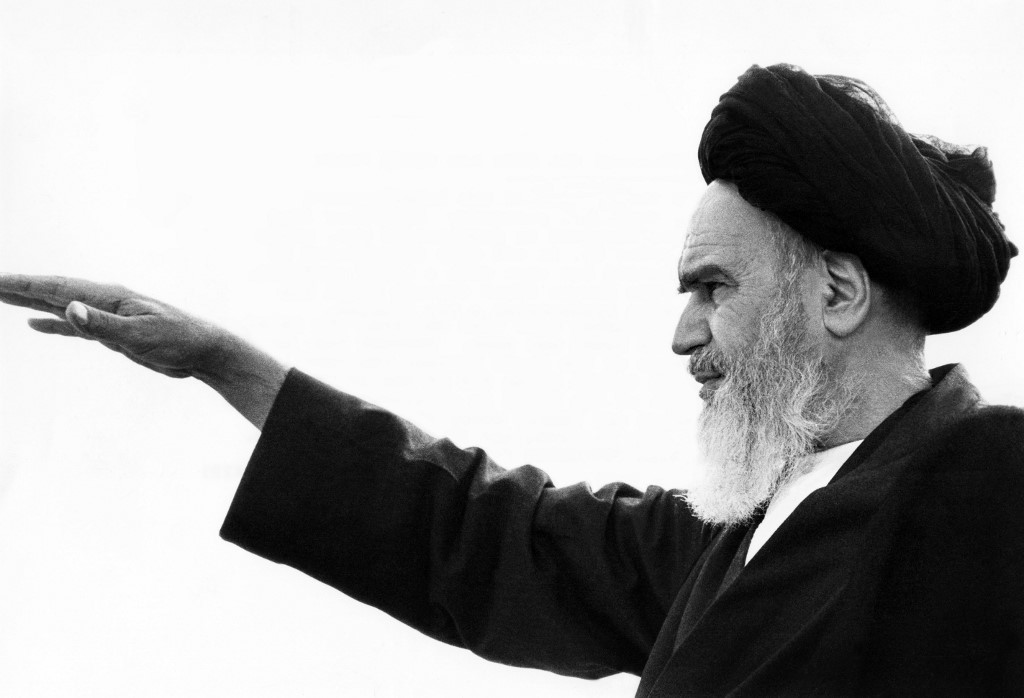

March 01, (THEWILL) — Iran has officially confirmed the death of its Supreme Leader, Ayatollah Ali Khamenei, who was killed on Saturday following massive aerial strikes on the capital, Tehran, reportedly carried out by the United States and Israel.
An announcer on state television broke down in tears early Sunday while confirming the development, saying the 86-year-old had “achieved his long-cherished wish of martyrdom in the holy month of Ramadan.”
“Today, Iran, the Islamic nations, and freedom seekers across the world are grieving the evil attacks by the criminal Americans and wicked Zionists. The martyrdom of a personality of such great stature will begin a great uprising in the fight against the world’s oppressors,” the announcer said.

The semi-official Fars News Agency, which has close ties to the Islamic Revolutionary Guard Corps (IRGC), reported that Khamenei’s daughter, son-in-law, and granddaughter were also killed in the strikes. It said confirmation followed contact with sources within the supreme leader’s household.
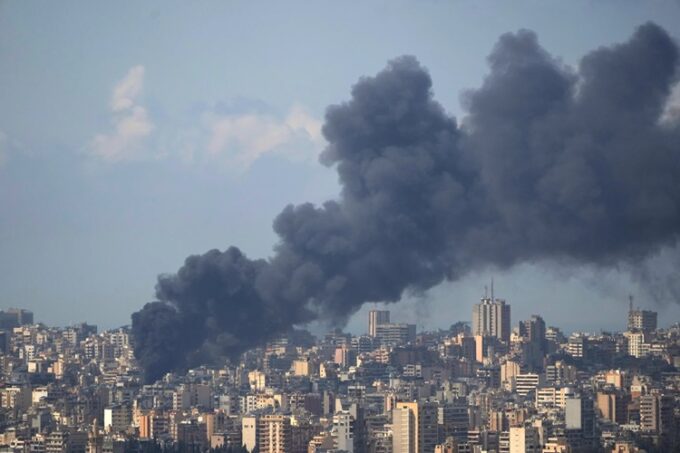
Satellite imagery circulating in regional media showed extensive damage to the supreme leader’s compound, with thick plumes of black smoke seen rising from the area in videos shared on social media.
The Tasnim News Agency reported that Khamenei was killed while working in his office.
However, two Iranian sources claimed he had met with senior officials, including former National Security Council secretary Ali Shamkhani and IRGC commander Mohammad Pakpour, at a secure location shortly before the bombardment began. It remains unclear whether the officials survived.
Following the announcement, Iran’s Supreme National Security Council vowed to avenge what it described as Khamenei’s “martyrdom,” declaring that his death had “opened a new chapter of ruling in Islam’s history.”
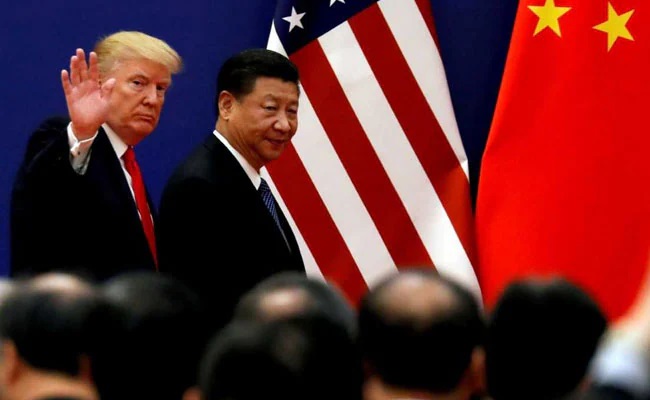
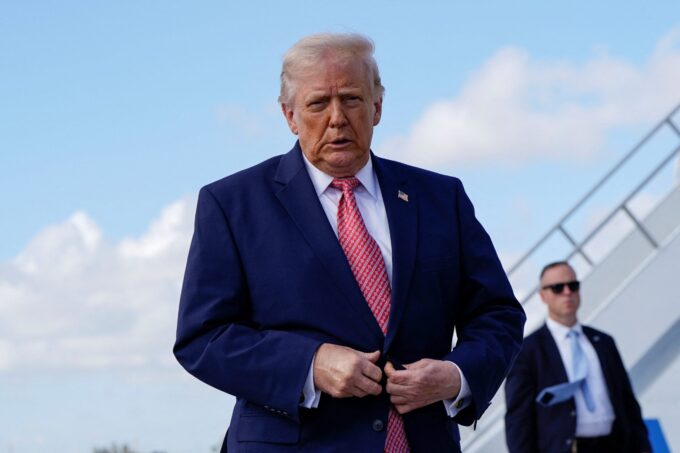
Earlier, US President Donald Trump announced the killing on his Truth Social platform, describing it as justice not only “for the people of Iran, but for all Great Americans.”
“He was unable to avoid our Intelligence and Highly Sophisticated Tracking Systems and, working closely with Israel, there was not a thing he, or the other leaders that have been killed along with him, could do,” Trump wrote.
Calling the moment “the single greatest chance” for Iranians to reclaim their country, Trump claimed that many members of Iran’s Revolutionary Guards, military, and security forces “no longer want to fight,” and suggested they could be offered immunity.
He added that “heavy and pinpoint bombing” would continue “uninterrupted throughout the week or as long as necessary to achieve our objective.”
Khamenei had been a central figure in Iran’s political and religious establishment for more than four decades, serving as supreme leader since 1989 following the death of Ruhollah Khomeini.
Born on April 19, 1939, into a clerical family in Mashhad, he pursued religious studies in Iran and Iraq before becoming actively involved in opposition to the rule of Mohammad Reza Shah Pahlavi.
During the 1960s and 1970s, he was repeatedly arrested and reportedly tortured by the Shah’s secret police for his anti-government activities.
After the 1979 Islamic Revolution, which saw Khomeini return from exile in France to lead the new Islamic Republic, Khamenei quickly rose through the ranks, holding positions on the Revolutionary Council, serving as a lawmaker and deputy defence minister, and leading Friday prayers in Tehran.
In 1981, he survived an assassination attempt when a bomb concealed in a tape recorder exploded during a mosque address. The attack left him seriously injured and permanently paralysed in his right arm.
Following the assassination of President Mohammad Ali Raja’i and Prime Minister Mohammad Javad Bahonar later that year, Khamenei won the presidency in an uncontested election, reportedly securing 95 per cent of the vote.
His tenure spanned the brutal eight-year Iran-Iraq War against Saddam Hussein’s regime, during which an estimated one million people were killed on both sides.
Over the decades, he presided over significant political, social, and geopolitical shifts, shaping Iran’s regional posture and its often fraught relationship with the West.
The confirmation of his death marks a watershed moment for the Islamic Republic, raising urgent questions about succession, regional stability, and the potential for further escalation in an already volatile Middle East.











Leave a comment