




The Tony Elumelu Foundation has set a new benchmark for philanthropic impact across the continent with the selection of 3,200 young African entrepreneurs for its 2026 cohort, a move described by the Foundation’s Chief Executive Officer, Somachi Chris-Asoluka, as a decisive step toward future-proofing the African economy.
Speaking during a high-level virtual media parley on Saturday, Chris-Asoluka emphasised that the current selection represents a historic milestone in the Foundation’s twelve-year journey, particularly noting that the gender and geographic distribution of this year’s beneficiaries is among the most inclusive the organisation has ever recorded.
She stated, “The numbers you’re going to see tomorrow, and the breakdown of those numbers, are incredibly exciting because they reflect our commitment to ensuring that no African entrepreneur is left behind, regardless of their gender or location.”
This year’s programme has been specifically tailored to meet the shifting demands of the global market, with a heavy emphasis on integrating artificial intelligence and climate resilience into the core operations of small businesses.
Chris-Asoluka noted that in 2026, all businesses had to begin to integrate AI to remain competitive, which is why the Foundation had armed its newest cohort with “AI thinking” and specialised Green Business Management training.
The CEO highlighted that this strategic shift was essential because “entrepreneurs alone have the capacity, the resources, and the talent to create the millions of jobs our continent so desperately needs,” adding that the Foundation’s mission was to eradicate poverty through the philosophy of Africapitalism.
The 2026 cohort will be managed in four distinct groups, supported by an array of global partners including the Dutch Government, Young Africa Unlimited, and the United Nations Development Programme (UNDP), reflecting a scaled-up approach to continental empowerment.
During the session, Chris-Asoluka revealed that the Foundation’s internal monitoring shows an unprecedented 75 per cent survival rate for its funded startups after five years, a figure that stands in stark contrast to the global average failure rate for new businesses.
She attributed this success to the holistic support system provided by the Foundation, which includes a $5,000 non-returnable seed grant, mentorship, and lifelong access to a robust alumni network.
“We don’t just provide a grant and walk away; we have a lifelong relationship with our entrepreneurs because our goal is to see them grow into large-scale enterprises that create economic prosperity for all stakeholders,” she remarked.
The CEO also touched upon the critical role of advocacy, explaining that the Foundation consistently brings entrepreneurs and policymakers to the same table to solve systemic hurdles like electricity access and tax regulations.
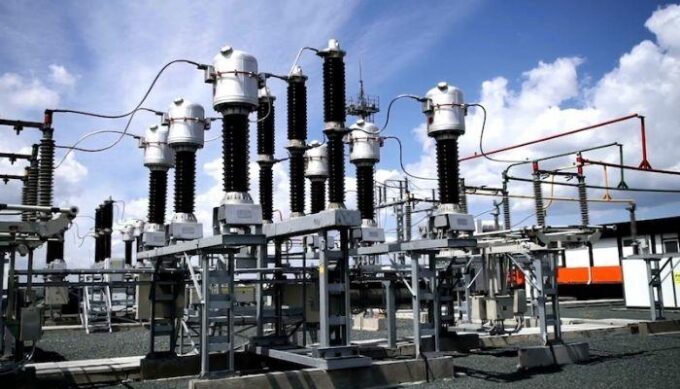
She pointed out that it was not sustainable for small businesses to spend the bulk of their income on fuelling generators, noting that “we work to help policymakers understand the absolute necessity of road networks and stable power for these entrepreneurs to thrive and compete on a global stage.”
As the Foundation prepares for the official unveiling on Sunday, March 22, 2026, the focus remains on sectors that demonstrate the highest potential for growth and social impact, including agriculture, retail, healthcare, and the rapidly expanding green economy.
Chris-Asoluka encouraged those who might not see their names on the list this year to remain resilient, noting that nearly 30 per cent of their most successful alumni were only accepted on their second or third attempt.
She concluded the parley by urging the media to play an active role in shifting the global narrative of Africa from one of poverty to one of innovation and success.
“We cannot change the perception of our continent from negative to positive without telling these success stories of small businesses in our communities,” she stated, adding that the 3,200 entrepreneurs selected for 2026 were not just business owners but “the next generation of the African private sector who will lead the continent’s AI and green revolution into the next decade.”















Leave a comment