



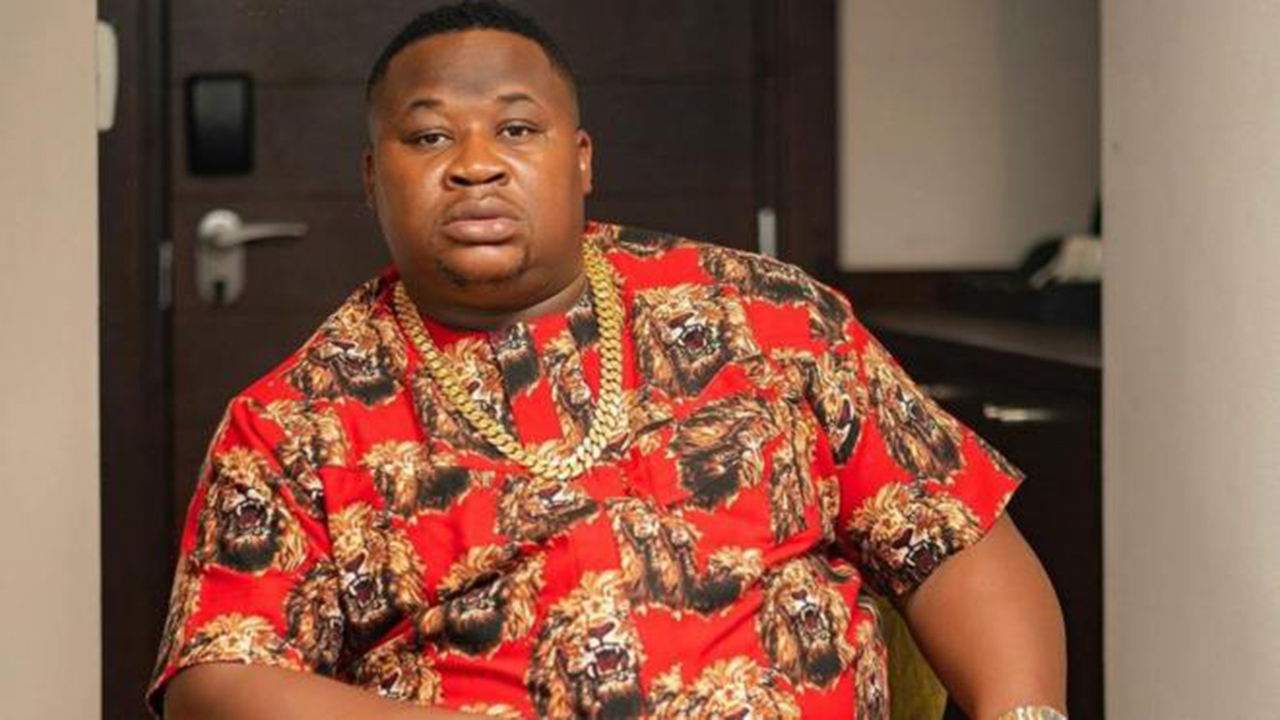
Cubana Chief Priest built an empire on visibility. Loud, flamboyant and endlessly present, he mastered the art of public affection. But politics, he has just discovered, operates by different rules. The way applause is not endorsement, popularity is not structure. And influence measured in Instagram likes does not always translate into votes.
The celebrity barman failed to secure the APC ticket for the Orsu/Orlu/Oru East federal constituency seat in Imo State for the 2027 elections. His explanation was telling. He admitted his only regret was trusting the elders of the community, claiming he received only 14 votes despite his efforts and financial contributions.
For a man accustomed to thousands of cheering fans, the number was a teller that politics rewards patience and deep roots, not deep pockets alone.
He later claimed he withdrew voluntarily because the party’s zoning arrangement favoured Orlu LGA completing its term before rotating. But the damage to his political persona had already been done. Critics, including social commentators Solomon Buchi and VeryDarkMan, argued that his public persona, centred on nightlife, alcohol and what they called “crass” talk, does not align with the intellectual requirements of governance.
After his loss, he mocked his trolls by saying they do not own G-Wagons. The comment backfired spectacularly. Critics used it to argue that he is disconnected from ordinary voters, the exact opposite of what a public representative should be. A politician who mocks the poor, they argued, has no business seeking their votes.
There is also a trust problem. He claimed President Bola Tinubu does not fully trust him because he previously supported Peter Obi and the Labour Party in 2023. His public shifts in support have led many to view his political ambitions as opportunistic rather than service-oriented.










Leave a comment