



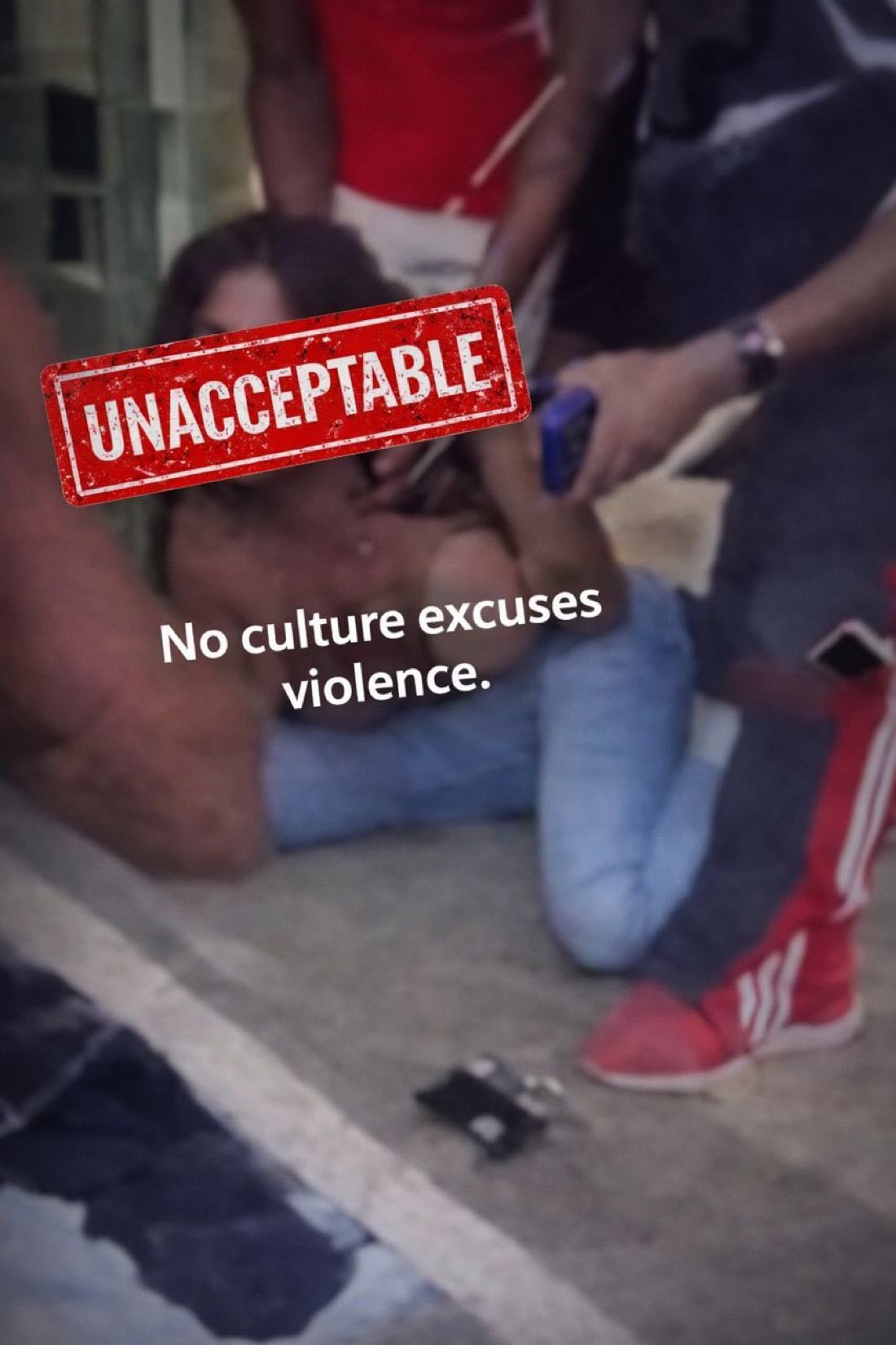
Last week, the disturbing scenes that emerged from a cultural festival in Ozoro, Delta State, shocked the nation after videos surfaced showing women being chased, harassed, and assaulted in public during the celebration by men. The episode has since rightfully sparked widespread condemnation from the police, rights groups, and legal bodies, all insisting that no tradition should ever be used to justify actions that put women at risk. Chiemelie Ezeobi reports the festival has reinforced the need for a national conversation on safety and dignity of women in cultural spaces
The news broke first as whispers on social media, then as a torrent of disturbing videos shared across WhatsApp groups and online platforms. Within hours, what began as a local celebration in Ozoro, Isoko North Local Government Area of Delta State, had spiralled into a national outrage.
Images and eyewitness accounts described scenes of chaos during a cultural gathering in the Oramudu Quarters, where women and girls were reportedly harassed and assaulted in public. The footage spread quickly, triggering anger, disbelief, and deep concern across the country. Many Nigerians questioned how a communal event meant to celebrate tradition could descend into such disorder, while others worried about the safety of women in public spaces.
As condemnation mounted, community members, civil society organisations, and professional bodies began to speak out, each offering perspectives on what had happened and what must follow. For many observers, the incident was not just about one festival in one town; it became a stark reminder of the persistent challenges surrounding gender based violence, public accountability, and the boundaries between culture and criminality.
Police Move In: Delta Command Orders Full Scale Investigation
The Delta State Police Command responded swiftly to the public outcry, confirming that it had launched an immediate investigation into the incident.
In a press release dated March 20, 2026, the Commissioner of Police, CP Aina Adesola, condemned the alleged assaults in strong terms and ordered the deployment of tactical and investigative teams to identify those responsible.
“The Command unequivocally condemns such acts in their entirety,” the statement read. “Acts of sexual violence are criminal, inhumane, and constitute a grave violation of the fundamental rights and dignity of victims.”
Police authorities disclosed that the chief organiser of the event, identified as Chief Omorede Sunday, along with several other suspects, had been arrested. The case was subsequently transferred to the State Criminal Investigation Department for further action.
The Command also appealed to members of the public to cooperate with investigators, assuring victims and witnesses that all information provided would be treated with strict confidentiality and professionalism.
For many residents, the arrests signalled an important first step. Yet, there remained widespread calls for transparency and sustained action to ensure justice was not only promised but delivered.
WRAPA Charges to Break the Silence
Advocacy groups were among the first to frame the incident within a broader pattern of violence against women and girls in Nigeria.
The Women’s Rights Advancement and Protection Alternative (WRAPA) warned that harmful practices often survive in environments where silence and social pressure discourage victims from speaking out.
According to the organisation, violence against women and girls does not exist in isolation but is sustained by cultural norms that excuse harm and by institutions that fail to act quickly enough.
“Violence against women and girls lives in cultures that excuse harm, in traditions upheld over people, and in laws too weak or slow to act,” the group stated.
WRAPA also emphasised that many cases of abuse never reach public attention, particularly in rural communities where victims fear stigma or retaliation. The organisation urged authorities and community leaders to create safe reporting systems and strengthen protections for vulnerable individuals.
ActionAid Nigeria Demands Accountability
ActionAid Nigeria described the events in Ozoro as a serious failure to guarantee safety in a communal space and insisted that no cultural justification could excuse violence.
In a detailed statement, the organisation noted that the circulation of video evidence showing women being harassed and chased in public underscored the urgent need for accountability.
“Violence against women and girls must never be trivialised, justified, or explained away under any circumstance,” the group said.
ActionAid called on Delta State Governor Sheriff Oborevwori to demonstrate visible leadership by ensuring swift prosecution of offenders and by strengthening measures to prevent similar incidents in the future.
The organisation also urged government agencies to provide coordinated support for survivors, including medical care, counselling services, and legal assistance.
Beyond the immediate response, ActionAid stressed the importance of addressing the deeper social conditions that allow such incidents to occur.
“This incident highlights persistent gaps in safeguarding women and girls in public and cultural spaces and the urgent need to confront harmful gender norms,” the statement added.
Womanifesto Coalition Calls For Justice
A coalition of more than 500 women’s rights organisations under the banner of Womanifesto joined the growing chorus of condemnation, describing the alleged abuses as a violation of constitutional rights.
In a statement issued by its co-convener, Abiola Akiyode Afolabi, the coalition expressed outrage over the videos circulating online and demanded immediate action from law enforcement authorities.
“This is not our culture. This is organised and institutionalised abuse, and it must be treated as a crime,” the statement declared.
The coalition reminded authorities that the 1999 Constitution guarantees citizens the right to dignity and protection from inhumane treatment, rights that cannot be suspended under any circumstance.
Womanifesto also called on traditional rulers in Ozoro to publicly clarify that acts of violence have no place in cultural celebrations and urged security agencies to ensure that all suspects identified in video footage are prosecuted according to the law.
The Nigerian Bar Association Speaks Out
Legal professionals also weighed in on the controversy, emphasising the legal implications of the alleged actions.
The Nigerian Bar Association (NBA) described the incident as a national disgrace and warned that failure to enforce the law would undermine public confidence in justice.
“A society reveals its true character in how it treats its women,” the association stated. “Where women are chased, stripped, violated, and publicly humiliated by mobs under the guise of celebration, what is on display is not culture. It is barbarity.”
The NBA stressed that acts of harassment and assault constitute serious criminal offences under Nigerian law and urged authorities to hold not only perpetrators but also enablers accountable.
The association further called on community leaders to ensure that cultural events reflect dignity and order rather than chaos and lawlessness.
Community Voices and the Contested Narrative
Amid the widespread condemnation, some community members sought to clarify the cultural context of the Alue Do festival, insisting that the original purpose of the event had been misunderstood.
One resident from Delta State explained that the festival traditionally involves playful rituals directed at married couples who have struggled to conceive, rather than young people.
According to the account, youths are usually advised to remain indoors while couples participate in symbolic activities meant to encourage fertility and communal support.
“There is no such thing as a rape festival in Delta,” the resident said, condemning the actions of those responsible for the violence while distancing the tradition from the misconduct.
For cultural custodians, the distinction is important. They argue that while individuals may misuse gatherings to engage in harmful behaviour, the underlying traditions themselves are not designed to promote violence. Still, critics maintain that cultural practices must evolve to reflect modern standards of safety and human rights.
When Culture Harms Women
The events in Ozoro have reignited a long standing debate about the intersection of culture, tradition, and women’s rights in Nigeria.
Across the country, communities celebrate festivals that preserve heritage and strengthen social bonds. Yet, when these gatherings lack clear rules, security presence, or accountability mechanisms, they can become environments where misconduct thrives.
Experts note that culture is not static; it changes over time in response to social values and legal frameworks. Practices once considered acceptable may later be recognised as harmful, prompting reforms that protect vulnerable groups.
In recent years, Nigeria has made progress through legislation such as the Violence Against Persons Prohibition Act, which criminalises various forms of abuse and provides legal remedies for victims. However, enforcement remains uneven, particularly in rural areas where traditional authority structures often carry significant influence.
The Ozoro incident has therefore become more than a local controversy. It is a test of how communities balance respect for heritage with the responsibility to protect human dignity.
For many Nigerians, the lesson is clear: culture should celebrate life, not endanger it; tradition should unite communities, not divide them; and festivals should be remembered for joy, not fear.















Leave a comment