



By Charles Segun Adegbite
A wave of urgent reform calls is sweeping through Nigeria’s industrial sector following the dramatic shutdown of three hazardous factories in Ogijo, a move that has spotlighted the dire state of workplace safety and the human cost of regulatory neglect.
The Federal Government, through the Ministry of Labour and Employment, ordered the immediate closure of African Refractory and Allied Products Limited (ARAP), African Non-Ferrous Industries Limited, and Metalworld Recycling Limited after damning inspections revealed shocking safety lapses.
Behind the factory walls, workers were reportedly exposed daily to toxic substances—particularly used lead-acid batteries—without adequate protection. There were no functional ventilation systems, insufficient safety gear, and a glaring absence of occupational health protocols.
Experts warn that such conditions significantly heighten the risk of lead poisoning, a silent but devastating health threat capable of causing permanent damage to the brain, kidneys, and other vital organs.
But this decisive action did not happen in isolation.
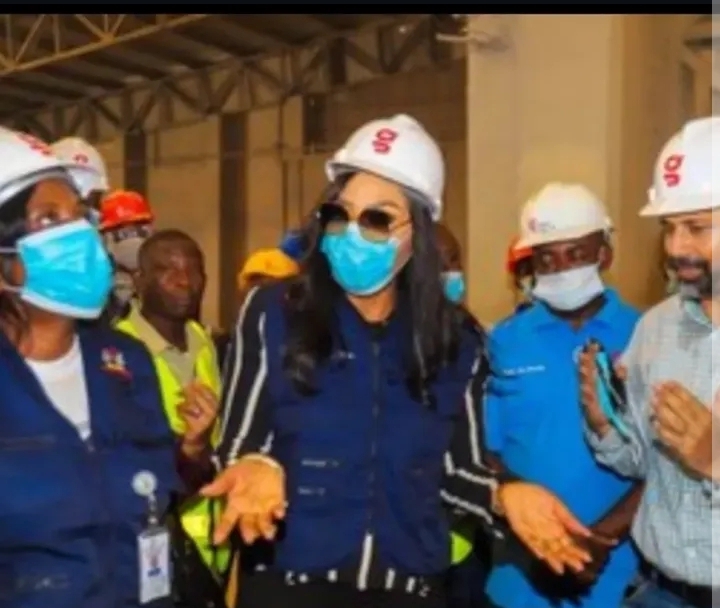
It followed a bold legislative intervention by Hon. Dr. Princess Adesola Ayoola-Elegbeji, who represents the Ikenne/Sagamu/Remo North Federal Constituency in the House of Representatives.
Raising alarm over the dangerous conditions, she called for an urgent review of Nigeria’s outdated Factories Act and demanded stricter enforcement of safety regulations across the country.
Her advocacy struck a chord.
In swift response, the Honourable Minister of State for Labour and Employment, Hon. Nkeiruka Onyejeocha, ordered the shutdown of the affected facilities—an action widely seen as a strong signal that worker safety can no longer be sidelined.
Reacting to the development, Ayoola-Elegbeji commended the Federal Government’s prompt intervention, describing it as a victory for legislative vigilance and a crucial step toward protecting Nigerian workers.
“No Nigerian should have to gamble with their life just to earn a living,” she asserted. “This moment underscores the urgent need to modernize our labour laws and enforce standards that truly protect our people.”
She did not mince words in identifying the root of the crisis: weak enforcement mechanisms and obsolete legal frameworks that have allowed unsafe practices to thrive in many industrial environments.
According to her, Nigeria must embrace comprehensive reforms—stronger inspections, tougher penalties for violators, and robust monitoring systems—to prevent future occurrences.
The closures have been welcomed by labour unions, public health experts, and civil society groups, who describe the move as long overdue. However, they caution that sustained enforcement—not one-off actions—will determine whether meaningful change is achieved.
For residents of the Remo axis, the development brings a sense of relief. For years, communities around the industrial hubs have raised concerns over pollution and unexplained health issues, often linked to unchecked factory operations.
Now, their voices appear to have been heard.
As the dust settles, the incident has ignited a broader national conversation about industrial accountability and worker protection. Stakeholders across sectors are increasingly calling for immediate legislative updates to align Nigeria’s labour laws with global best practices.
For Hon. Ayoola-Elegbeji, the mission is far from over.
“The safety and dignity of our people must remain paramount,” she declared. “We will continue to push until every Nigerian workplace becomes a safe space, not a danger zone.” She said.
In Ogijo, the factory gates may be shut—but the push for lasting reform has only just begun.
 ‘
‘ ‘
‘Do you want to share a story with us? Do you want to advertise with us? Do you need publicity for a product, service, or event? Contact us on WhatsApp +2348183319097 Email: platformtimes@gmail.com
We are committed to impactful investigative journalism for human interest and social justice. Your donation will help us tell more stories. Kindly donate any amount HERE














Leave a comment