



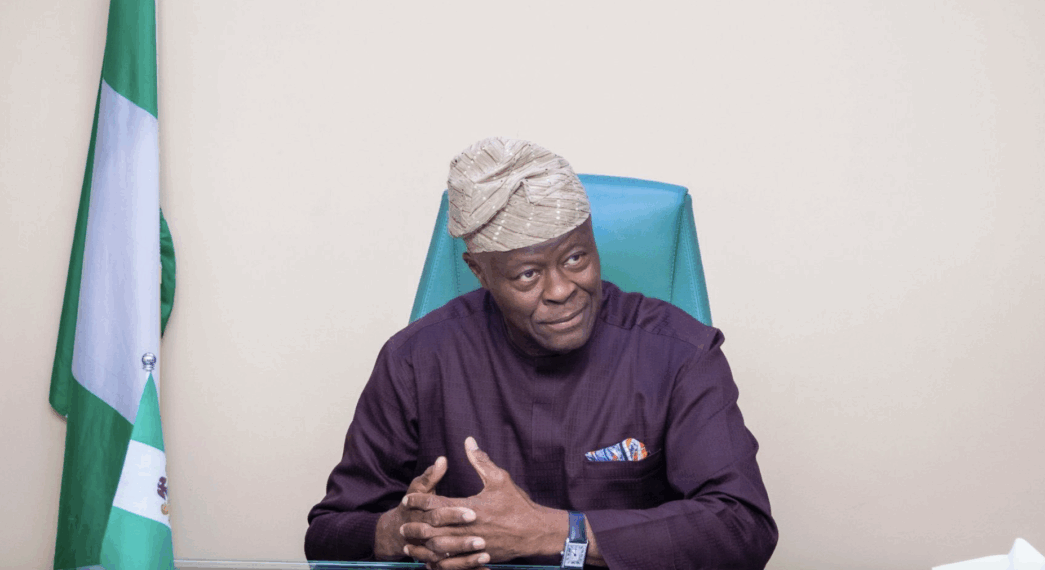
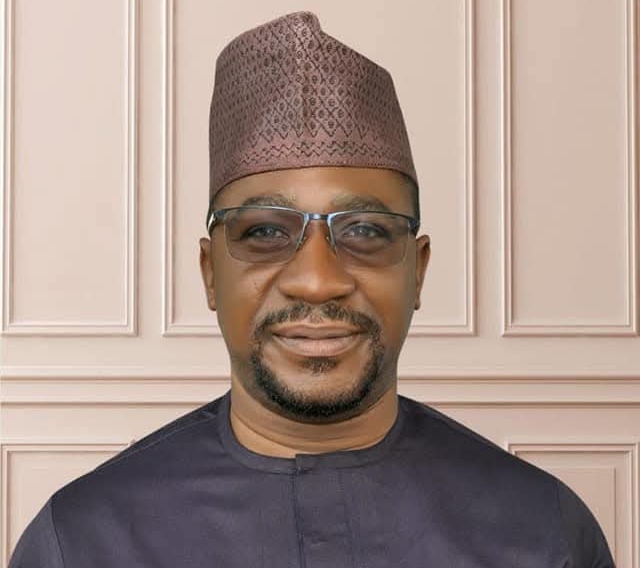
Minister of Finance and Co-ordinating Minister of the Economy Wale Edun
By Chinwendu Obienyi
The federal government and the Islamic Development Bank (IsDB) Group have stepped up collaboration to attract private capital and accelerate investment-led growth in Nigeria.
This was the central focus at the IsDB Group Day held on March 30, 2026, which convened senior government officials, investors, financial institutions, and global development partners to deepen partnerships and advance private sector–driven development.
Minister of Finance and Coordinating Minister of the Economy, Mr. Wale Edun, alongside IsDB Director-General of Country Programme, Mr. Anasse Aissami, called on the private sector to play a more active role in driving investments and partnerships across key sectors of the economy.
The high-level engagement reinforced Nigeria’s standing as Africa’s largest economy while spotlighting persistent development gaps, including infrastructure shortfalls, youth unemployment, limited SME financing, and the need for a more diversified, resilient economy.
The forum also provided a platform to showcase the IsDB Group’s broad portfolio of solutions, spanning investment, trade finance, Islamic finance, insurance, and capacity development, while fostering dialogue between policymakers, investors, and entrepreneurs on viable investment pathways.
Edun said Nigeria’s economic strategy is transitioning from stabilization to expansion, with a clear ambition to build a $1 trillion economy by 2030. He emphasized that achieving this goal will depend on “capital with purpose”, investments that deliver both economic returns and social impact.
He noted that the Country Engagement Framework (2026–2028) with the IsDB will support critical areas such as infrastructure renewal, agribusiness development, and job creation, targeting the inclusion of 10 million Nigerians in productive economic activities.
He further highlighted the growing role of innovative financing instruments like Sukuk in mobilising long-term funding for infrastructure and strengthening investor confidence in Nigeria’s market.
On his part, Aissami described the partnership as a shift toward coordinated, large-scale interventions aimed at transforming Nigeria into a diversified and competitive economy, with the private sector at the center of growth.
He reaffirmed IsDB’s commitment to supporting Nigeria with integrated solutions that promote industrialisation, resilience, and sustainable development.
A major highlight of the event was a panel discussion on Nigeria’s development priorities, focusing on boosting SME access to finance, expanding public-private partnerships, advancing renewable energy and green infrastructure, and investing in human capital particularly for women and youth.
The event also featured business-to-business (B2B) and business-to-government (B2G) engagements, where stakeholders explored investment opportunities and partnership prospects, alongside presentations of successful IsDB-backed projects in Nigeria.
Key institutions within the IsDB Group—including the Islamic Corporation for the Insurance of Investment and Export Credit (ICIEC), the Islamic Corporation for the Development of the Private Sector (ICD), and the International Islamic Trade Finance Corporation (ITFC)—showcased their roles in supporting trade, investment, and private sector growth.
The programme concluded with a reaffirmation of IsDB’s commitment to sustained collaboration with Nigeria, aimed at expanding investment flows, strengthening partnerships, and improving the business climate to drive inclusive and sustainable economic growth.












Leave a comment