



By Adewale Sanyaolu and Adanna Nnamani, Abuja
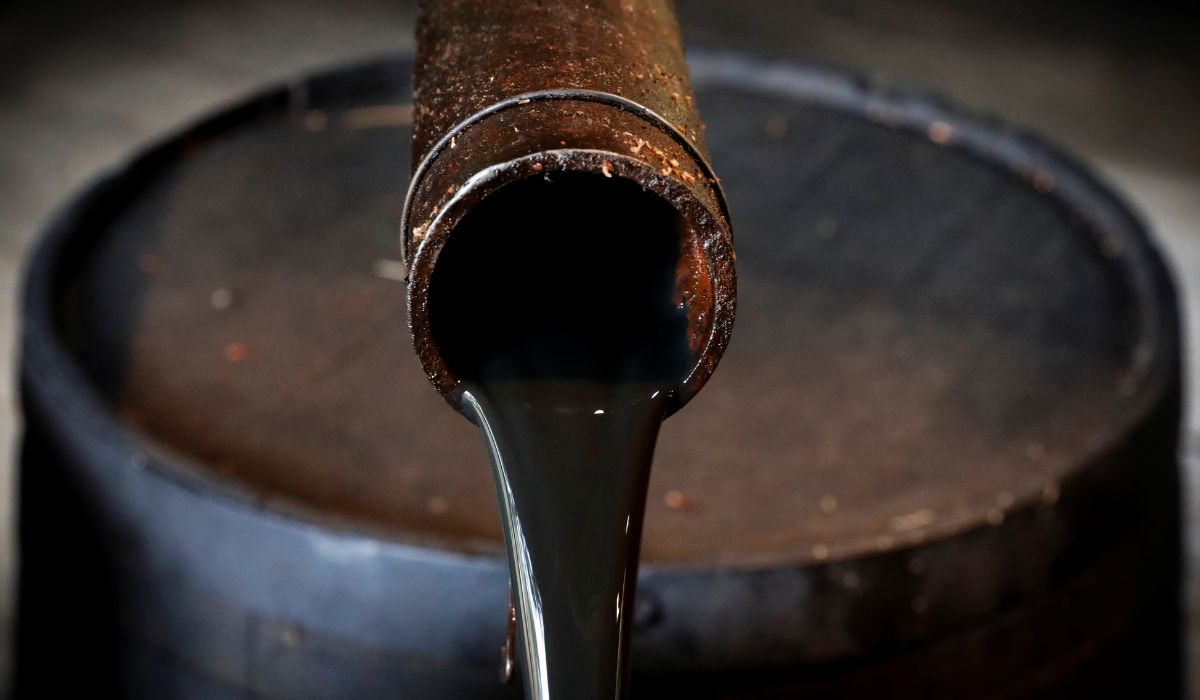
Nigeria’s crude oil reserves have declined to 37.01 billion barrels, even as the nation’s natural gas reserves expanded to 215.19 trillion cubic feet (TCF). This reflects a shifting balance in its hydrocarbon base.
The upstream oil and gas regulator, the Nigerian Upstream Petroleum Regulatory Commission (NUPRC), which confirmed this in a statement said that was the position as of January 1, 2026.
The announcement, made by the Commission Chief Executive, Oritsemeyiwa Eyesan, highlights ongoing efforts to strengthen upstream sector performance.
Providing insight into the changes recorded, the NUPRC explained that the marginal 0.74 per cent decline in oil and condensate reserves was primarily due to production activities in 2025, as well as updated technical evaluations based on subsurface studies and field performance. In contrast, gas reserves rose by 2.21 per cent, driven largely by new discoveries and improved reservoir assessments.
As of January 1,2025, Nigeria’s oil reserves stood at 37.28 billion barrels and gas reserves at 210.54 trillion cubic feet (TCF)
According to the Commission, crude oil reserves stood at 31.09 billion barrels, while condensate reserves were put at 5.92 billion barrels, bringing the combined total to 37.01 billion barrels. On the gas side, associated gas reserves were estimated at 100.21 TCF, while non-associated gas reserves reached 114.98 TCF, resulting in a total of 215.19 TCF.
The Commission also disclosed that Nigeria’s Reserves Life Index stands at 59 years for oil and 85 years for gas, indicating the estimated duration the reserves could last at current production levels.
The declaration is in line with the provisions of the Petroleum Industry Act (PIA) 2021, which mandates the Commission to monitor, regulate and provide periodic updates on the nation’s hydrocarbon resources.
The NUPRC noted that the reserves update forms part of its broader strategy to enhance upstream sector efficiency, boost hydrocarbon reserves growth, and ensure sustainable production for national economic development.
The latest figures come amid Nigeria’s push to maximise value from its vast gas resources, often described as a transition fuel, as the country seeks to balance energy security, revenue generation and global energy transition commitments.














Leave a comment