



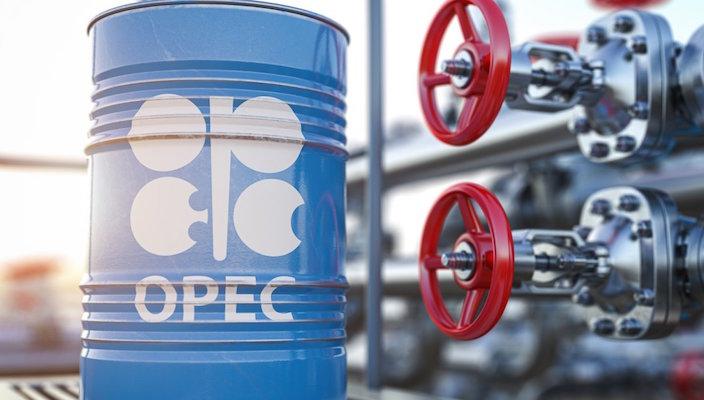
The United Arab Emirates (UAE) has announced its withdrawal from the Organisation of the Petroleum Exporting Countries (OPEC) and its broader alliance, OPEC+, in a move that sends shockwaves through global energy markets already under pressure from the Iran conflict.
The decision, announced on Tuesday, comes as tensions in the Middle East continue to disrupt oil shipping routes, particularly through the Strait of Hormuz, a critical passage for global crude and gas exports.
The UAE said its exit follows growing frustration over the response of regional partners to recent Iranian attacks during the ongoing war, which has heightened insecurity in the Gulf.
A senior presidential adviser, Anwar Gargash, criticised the regional response, saying Gulf Cooperation Council states had shown weak political and military coordination.
“The Gulf Cooperation Council countries supported each other logistically, but politically and militarily, I think their position has been the weakest historically,” Gargash said.
The development comes at a time when global oil prices remain volatile, with shipping risks in the Strait of Hormuz affecting nearly a fifth of the world’s crude and LNG flows.
The crisis has also drawn sharp reactions from world leaders, including U.S. President Donald Trump, who has repeatedly accused OPEC of manipulating oil prices and “ripping off the world”.
Energy analysts say the UAE’s exit could deepen uncertainty in global supply coordination, especially as major producers struggle to stabilise output amid geopolitical tension.
More updates are expected as OPEC and member states respond to the development.













Leave a comment