



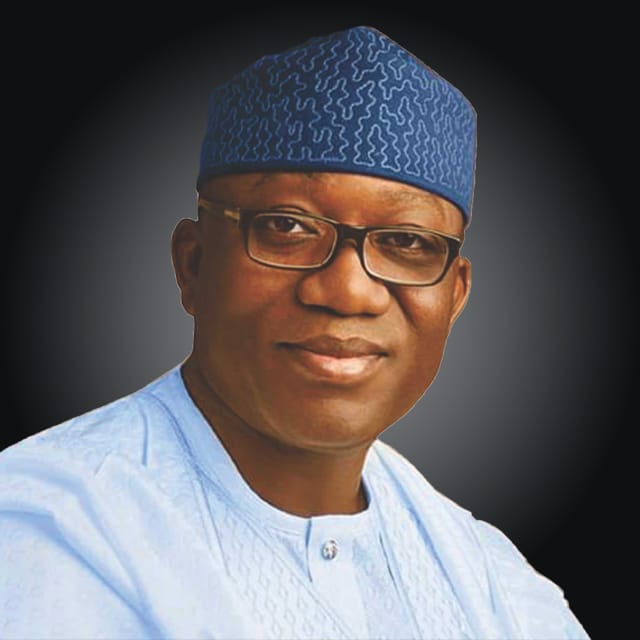
By Kayode Olasekun
In a time when political loyalty is often fleeting and leadership is frequently measured by short-term gains, the story of John Kayode Fayemi stands out as a compelling case study in foresight, conviction, and strategic leadership. This reflection is not written from the standpoint of a politician, but from that of an observer, one whose proximity to political actors has revealed the intricate dynamics, quiet negotiations, and power plays that shape outcomes behind the scenes.
Ekiti State has witnessed the leadership of several governors over the years, yet few have left a mark as distinctive as Fayemi. His approach to governance extended beyond administration into the deliberate cultivation of talent and the nurturing of future leaders.
Among his most notable political decisions was the identification and elevation of Abiodun Oyebanji, the current Governor of Ekiti State.
The emergence of Oyebanji did not occur by chance. It was the product of a carefully guided process rooted in trust, observation, and strategic planning. During Fayemi’s second-term transition period in 2018, the groundwork for future leadership became increasingly evident.
Committees were formed, alliances strengthened, and individuals positioned, not always publicly, but often through quiet, deliberate coordination..
It was within this environment that a working relationship began between key actors, facilitated directly by Fayemi himself. Instructions were clear, roles were defined, and collaboration was encouraged. Oyebanji, who would later serve as Secretary to the State Government (SSG), demonstrated administrative competence and political alignment that reinforced Fayemi’s confidence in him.
However, what distinguishes Fayemi’s leadership is not merely his ability to govern, but his willingness to invest political capital in others, even in the face of opposition. When internal party pressures mounted against Oyebanji’s candidacy, Fayemi remained resolute. His commitment did not waver, reflecting a leadership style grounded in long, term vision rather than immediate convenience.
Today, as Oyebanji occupies the governorship, the relationship between mentor and successor has become a subject of public discourse.
Questions have emerged about political alignment, loyalty, and evolving alliances within the state’s political structure.
These developments highlight a broader reality of politics: that transitions of power often reshape relationships, sometimes in unexpected ways.
At the center of current conversations is also the political positioning around figures such as Ayo Arise, whose support by Fayemi has sparked debate within party circles.
Divergences in political stance are not uncommon, yet they often invite scrutiny when they involve closely linked figures.
What this unfolding situation ultimately underscores is the complexity of political leadership.
Decisions made in one season can echo into the next, testing alliances and redefining loyalties. For observers and participants alike, Ekiti’s political landscape offers a valuable lens through which to examine themes of mentorship, succession, and the enduring impact of visionary leadership.
Fayemi’s legacy, regardless of present dynamics, remains anchored in his strategic foresight and his role in shaping the next generation of leaders. Whether viewed as a political tactician, a mentor, or a statesman, his influence continues to resonate within Ekiti State’s evolving narrative.
As the state moves forward, the lessons embedded in this journey, of trust, conviction, and the unpredictability of political evolution, remain as relevant as ever.
*Dr Kayode Olasekun, Clinical Psychologist, Dallas, TX can be reached via kayodeolasekun@gmail.com














Leave a comment