



By Adewale Sanyaolu
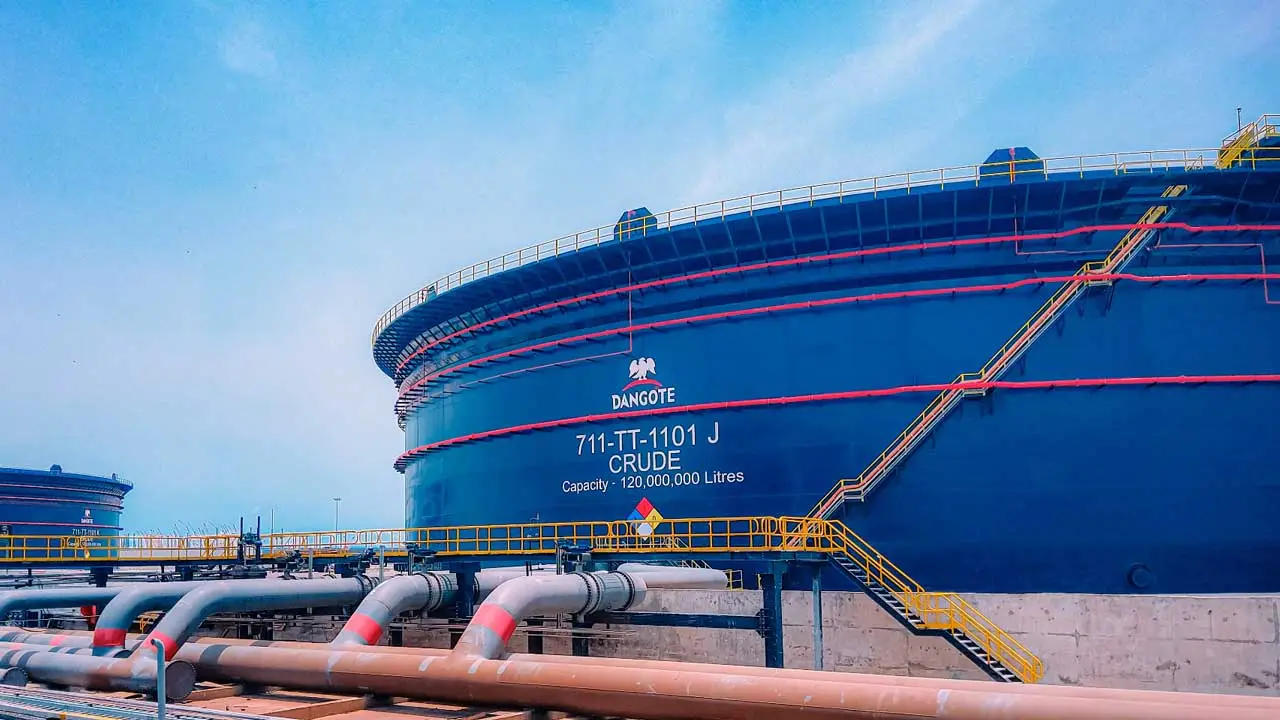
Dangote Petroleum Refinery has dragged the Attorney General of the Federation before the court in a fresh legal battle over fuel import licences granted to marketers and the Nigerian National Petroleum Company (NNPC), court documents have shown.
The latest suit signals renewed tension in Nigeria’s downstream oil sector, barely one year after the refinery withdrew an earlier case challenging similar import approvals issued to NNPC and some fuel traders.
In the fresh filing before the Federal High Court in Lagos, Dangote is asking the court to nullify import permits issued or renewed by the Nigerian Midstream and Downstream Petroleum Regulatory Authority (NMDPRA), insisting that the approvals violate an earlier court order directing parties to maintain the status quo.
However, regulators and petroleum marketers have consistently defended fuel imports, arguing that they remain necessary to guarantee adequate supply and forestall scarcity across the country.
Dangote, in the court documents, maintained that the fresh licences issued this month threaten its operations and run contrary to the law, which it said only permits fuel importation where local supply is insufficient.
The refinery had in July 2025 quietly discontinued its earlier suit without giving reasons, leaving unresolved concerns over market competition and fuel supply in one of Africa’s biggest petroleum markets.
The latest disagreement comes shortly after the NMDPRA granted import licences to six marketers to bring in 720,000 metric tonnes of Premium Motor Spirit (PMS), otherwise known as petrol.
The marketers include: NIPCO, AA Rano, Matrix, Shafa, Pinnacle and Bono.
According to the allocations, NIPCO is to import 120,000 metric tonnes; AA Rano, 150,000MT; Matrix, 150,000MT; Shafa, 120,000MT; Pinnacle, 120,000MT; while Bono will import 60,000MT — bringing the total approved volume to 720,000MT.
The approvals also came amid claims by the NMDPRA that Dangote Refinery currently supplies more than 90 per cent of Nigeria’s daily petrol consumption.
Meanwhile, the Petroleum Products Retail Outlets Owners Association of Nigeria (PETROAN) recently called on the Federal Government to restore petrol import licences to prevent a possible rise in inflation.
The association reiterated its support for healthy competition in the downstream petroleum sector, describing it as critical to growth, operational efficiency and price stability.
PETROAN National President, Billy Gillis-Harry, also backed the recent position of the World Bank advocating the resumption of petrol imports.
According to him, the World Bank’s stance further strengthens PETROAN’s long-standing campaign for a liberalised and competitive downstream oil market.
The World Bank had warned that restricted competition and supply limitations in the downstream sector were contributing to rising fuel prices, with PMS prices already exceeding import parity levels.
The global financial institution also cautioned that continued supply rigidity, combined with rising international crude oil prices, could worsen inflationary pressure in Nigeria.
Reacting, Gillis-Harry insisted that competition remains the most effective means of stabilising prices and guaranteeing the nation’s energy security.















Leave a comment