



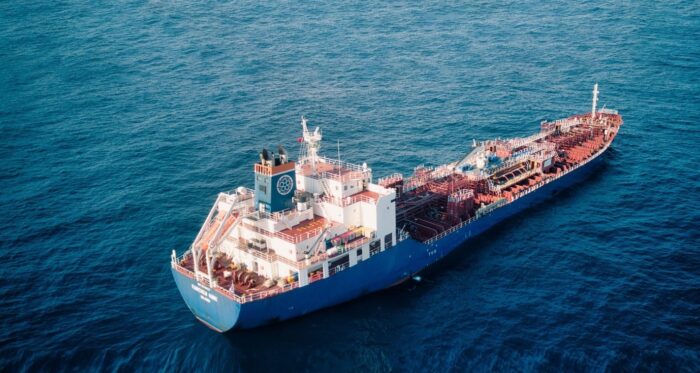
Nigeria’s maritime security drive recorded another major milestone as the Deep Blue Project showcased new operational capabilities and graduated 177 personnel trained to strengthen safety across the country’s waters and the wider Gulf of Guinea by the Nigerian Maritime Administration and Safety Agency (NIMASA).
The initiative has significantly reduced piracy and restored confidence in Nigeria’s maritime domain, marking one of the most visible security gains in recent years.
Before the full deployment of the Deep Blue assets, Nigeria recorded about 35 piracy incidents in 2020. However, following the operational rollout of the programme, that number has reportedly dropped to just six, highlighting what authorities describe as a major turnaround in maritime security operations.
The event, tagged the Deep Blue Maritime Operational and C4i Capability Demonstration and Graduation Ceremony, brought together senior military and maritime officials, highlighting the growing coordination among security agencies tasked with protecting Nigeria’s coastal waters.
Representing the Chief of Naval Staff, Rear Admiral Abdullahi Mustapha, Commander of the Western Naval Command, said the Deep Blue initiative reflects strong inter-agency collaboration and a shared commitment to securing the country’s maritime environment.
He noted that the threats facing Nigeria’s waters and the broader Gulf of Guinea require sustained cooperation among security institutions.
According to him, joint action has improved operational readiness and strengthened the ability of security forces to respond swiftly to maritime crimes.
He stressed that the Nigerian Navy remains fully committed to maintaining stability at sea and will continue working with partner agencies to combat criminal activity and safeguard the country’s blue economy. He also urged personnel to apply their training with professionalism, vigilance, and discipline.
In his keynote address, the Director-General and Chief Executive Officer of the Nigerian Maritime Administration and Safety Agency (Nigerian Maritime Administration and Safety Agency), Dr. Dayo Mobereola, described the Deep Blue Project as a clear demonstration of Nigeria’s commitment to modernising maritime security through technology and specialised training.
He disclosed that 177 personnel graduated under the programme, including 33 special mission officers, 107 intervention boat drivers, and 23 helicopter pilots and technicians. These operatives have been trained to handle advanced security tools such as interceptor boats, unmanned aerial systems, and emergency response equipment designed for rapid maritime intervention.
Mobereola said the skills acquired through the programme are already improving Nigeria’s ability to secure its waters, reduce criminal activity, and support safer trade routes. He added that the decline in piracy has contributed to lower war risk insurance costs for shipping operations and helped rebuild investor confidence in Nigeria’s maritime sector.
He further noted that Nigeria’s improved maritime security profile contributed to its election into Category C of the International Maritime Organization, a recognition of the country’s growing influence and compliance within the global maritime system.
Officials at the ceremony described the Deep Blue Project as a model of inter-agency cooperation, where the Navy, maritime regulators, and other security institutions work together to deliver measurable results.
They stressed that while progress has been made, sustained vigilance is still required to ensure long-term stability across Nigeria’s waters and the Gulf of Guinea, which remains a critical global shipping corridor.
The ceremony ended with a renewed commitment from stakeholders to deepen collaboration, expand operational capacity, and ensure that Nigeria’s maritime domain remains safe, secure, and economically viable for national development.













Leave a comment