



By Doris Obinna
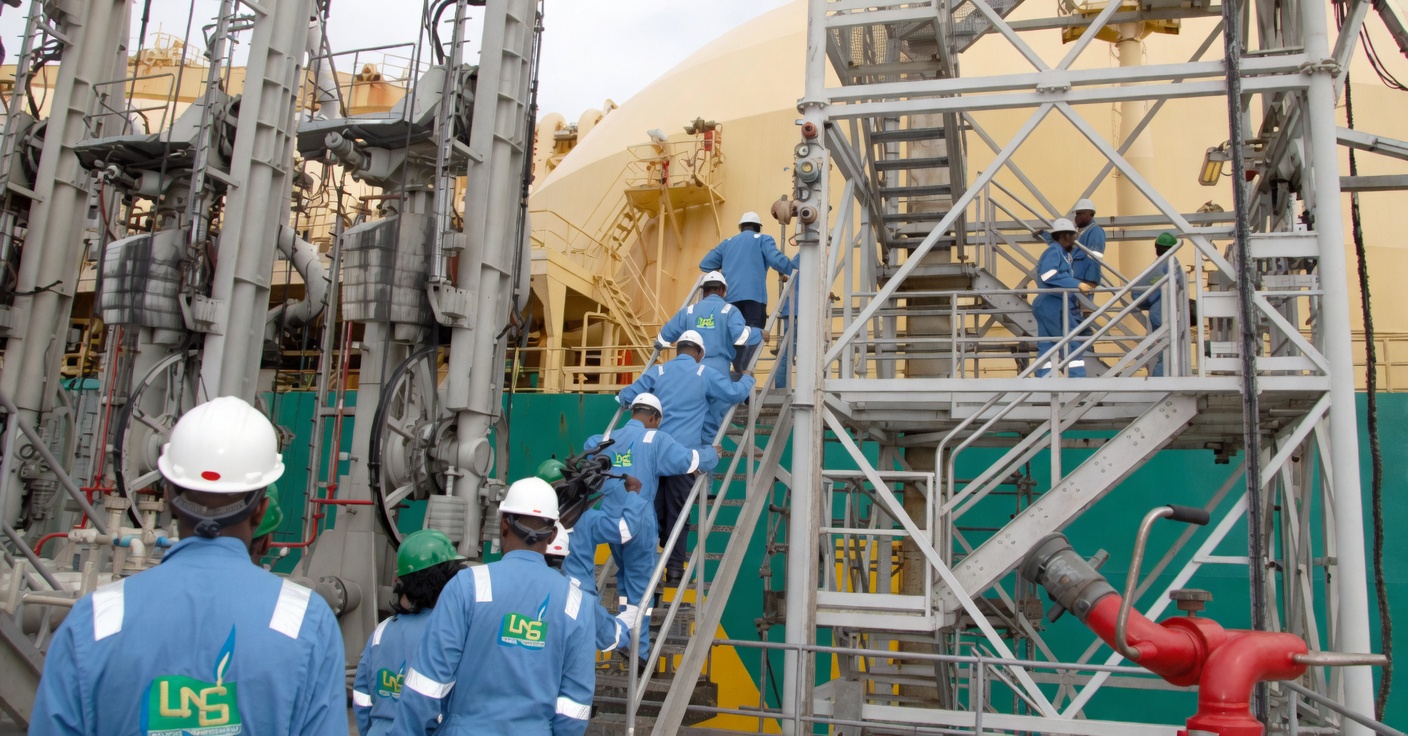
Nigeria LNG Limited (NLNG) has described its Train 7 project as a major catalyst for Nigerian Content development and industrial growth, citing significant local participation and capacity-building achievements on the multibillion-dollar gas expansion project.
Managing Director and Chief Executive Officer of NLNG, Adeleye Falade, made the remarks during a panel session on Nigerian Content support, lessons, experiences and success stories at the Nigerian Oil and Gas Midstream and Downstream Summit 2026 in Lagos.
Represented by the Train 7 Project Manager, Ali Uwais, Falade said the project had evolved beyond a conventional LNG expansion initiative into what he described as “a practical model for intentional localisation of expertise”. He said the project demonstrated how Nigerian Content could be leveraged to deepen industrial capability while delivering projects that meet global standards.
Falade also commended the Nigerian Content Development and Monitoring Board (NCDMB) for sustaining efforts aimed at advancing growth in Nigeria’s oil and gas industry through initiatives that encourage local participation and capacity development.
Speaking, Uwais disclosed that the Train 7 project had so far recorded more than 120 million man-hours while achieving about 92 per cent Nigerian Content participation. According to him, the milestone reflects NLNG’s deliberate strategy to strengthen indigenous capacity and widen opportunities for local firms across the project value chain.
He attributed the achievement to extensive industry engagement, structured Nigerian Content implementation plans and targeted investments designed to build local manufacturing and technical capabilities.
Uwais explained that lessons learned from earlier NLNG trains helped the Train 7 team adopt a strategic and data-driven approach to assessing local competencies and identifying areas where Nigerian companies could participate effectively while meeting international standards.
He noted that the approach ensured indigenous firms were integrated into project execution from the early stages.
He said several fabrication activities previously executed overseas were successfully carried out within Nigeria under the Train 7 project.
According to him, Nigerian companies fabricated pressure vessels, structural steel components, valves, pipes, lighting systems, cables and painting materials used for the project.
Uwais added that NLNG deliberately identified local manufacturers with growth potential and supported them in attaining international quality assurance standards instead of relying solely on routine quality control measures.
He further revealed that the company collaborated with foreign technical partners to help Nigerian firms transition from asbestos-based gaskets to safer carbon-graphite alternatives.
The initiative, he said, included equipment support and international testing certification aimed at strengthening local manufacturing capability. “These interventions reflect NLNG’s broader philosophy of treating Nigerian Content not merely as a compliance obligation but as a long-term development opportunity capable of delivering sustainable value beyond project execution,” Uwais said.
He added that Nigerian companies were increasingly participating in fabrication and manufacturing activities, while universities and research institutions were contributing through innovation, research and technical development. According to him, such collaborations represent critical foundations for sustainable industrial growth in the country.
Train 7 remains one of Nigeria’s largest ongoing energy investments and is expected to increase NLNG’s production capacity from 22 million tonnes per annum to 30 million tonnes per annum upon completion.
The expansion is projected to raise Nigeria’s LNG export capacity by about 35 per cent.
Participants at the summit emphasised the need to sustain capability gains recorded through major projects such as Train 7 by ensuring continuous investments in skills development, manufacturing capacity and critical infrastructure.









Leave a comment