



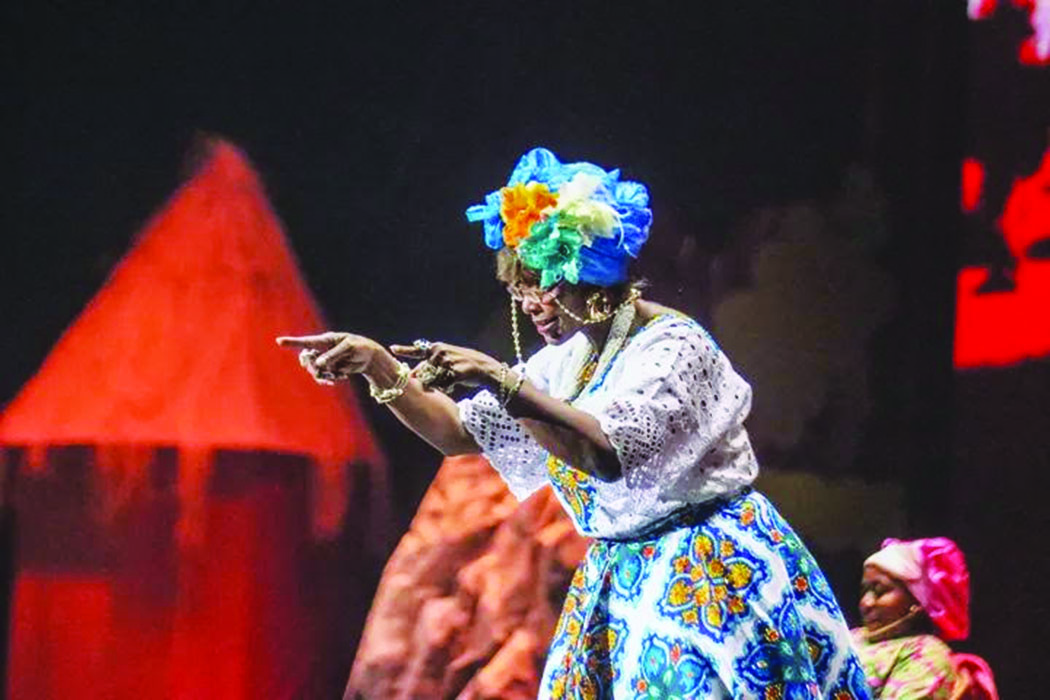
The return of the Broadway-style children’s musical I Wish, I Wish to the National Theatre, Lagos, on May 29 delivered a spectacular theatrical experience, imparted timeless moral lessons, and rekindled the magic of storytelling through the legendary Grandma Wura. Yinka Olatunbosun reports
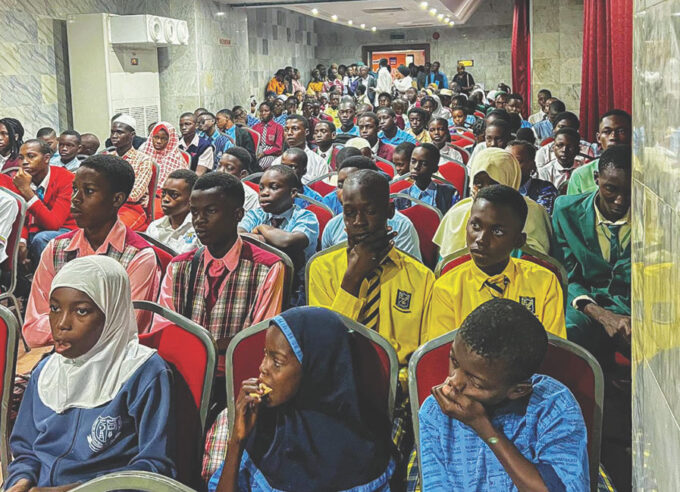
For many theatre-trained children in Lagos, Grandma Wura is a familiar and beloved stage persona, a regular fixture in storytelling and children’s theatre. Recently, however, her audience expanded considerably. Judging by the demographics of those gathered at the newly refurbished Main Bowl of the National Theatre, I Wish, I Wish had become a family affair, drawing not only children but also parents, grandparents, and extended family members. As it should be.

The production’s dazzling costumes and imaginative props heightened the sense of wonder. This time, I Wish, I Wish occupied the National Theatre’s largest stage, allowing its visual ambition to unfold on an unprecedented scale.
A joint initiative of Story Theatre with Grandma Wura and the National Theatre, the production featured a full live ensemble driven largely by African instruments. Directed by Bola Edwards, who also reprised her role as Grandma Wura, the show offered premium theatrical craftsmanship, enhanced by a striking 3D projection backdrop that established each setting with remarkable clarity.
The production design seamlessly blended traditional African heritage with contemporary digital innovation. The set moved fluidly across three principal environments: a modern classroom, a bustling cityscape, and a traditional Igbo village. Vivid costumes and sophisticated projection mapping lent the musical a grand, world-class aesthetic capable of filling the vast Main Bowl with colour and energy.
The storyline remains as engaging as ever. Framed within the timeless tradition of African storytelling, it follows Nkechi, a contemporary city girl spending her holidays in her grandmother’s village. Frustrated by the chores assigned to her, she impulsively wishes she could become an ant, imagining that an insect’s life must be carefree and devoid of responsibility. Unfortunately for Nkechi, the mischievous “Wind of Wishes” is listening.
Her wish is granted, and she is transformed into an ant and plunged into the complex world of an underground colony. What follows is a compelling lesson in perspective. Rather than finding freedom from labour, Nkechi discovers a society sustained by relentless hard work, discipline, and communal sacrifice. The musical skilfully contrasts her initial culture shock with the highly organised and harmonious world of the ants.
By the time Grandma Wura delivers her final warning — “Be careful what you wish for, because the Wind of Wishes might just be around the corner to grant it” — the audience, young and old alike, is thoroughly captivated.
Championed by the General Manager and Chief Executive Officer of the National Theatre, Tola Akerele, the production reinforces enduring values such as hard work, resilience, and discipline — virtues increasingly absent from much of today’s entertainment aimed at young audiences.
The true marvel of I Wish, I Wish, however, lies in its cast. Featuring children between the ages of eight and sixteen, the production radiated youthful energy and confidence. According to the production notes, many of the performers entered the summer workshops shy and inexperienced. Yet what they delivered on the National Theatre stage was impressively professional.
The choreography, designed to mirror the collective industry of an ant colony, was disciplined, dynamic, and visually engaging. The young performers moved with remarkable synchronisation, maintaining a brisk pace throughout. Accompanied by spirited live drumming and rich vocal arrangements, the songs were memorable while serving a deeper purpose. Rather than merely entertaining, the music reinforced the production’s central themes of teamwork, community, and the dignity of labour, particularly in the rousing refrain: “Work, Work, Work Is What We Must Do.”
For director Bola Edwards, the impact of the production extends far beyond the stage. “It feels very fulfilling seeing parents and children happy,” he says. “They go back home singing the songs. They tell us the songs are living rent-free in their heads and in their homes. We have policymakers, government officials, and people from all walks of life who come to experience this. It continues to heal the nation and the children. They become different. They become more resilient, develop stronger values, and it changes their lives forever. I couldn’t ask for more.”
With dignitaries, families, and creative industry veterans, including Joke Silva, filling the auditorium, the performance felt like a collective triumph. More importantly, it reaffirmed the enduring power of children’s theatre and underscored the National Theatre’s revitalised mission to nurture young talent and secure the future of Nigeria’s creative ecosystem.















Leave a comment