



By Chinenye Anuforo
Africa is emerging as a critical battleground in the global race for artificial intelligence talent, as Maliyo Games and Arizona State University (ASU) plan to train and certify 10,000 talents across the continent in AI and game development.
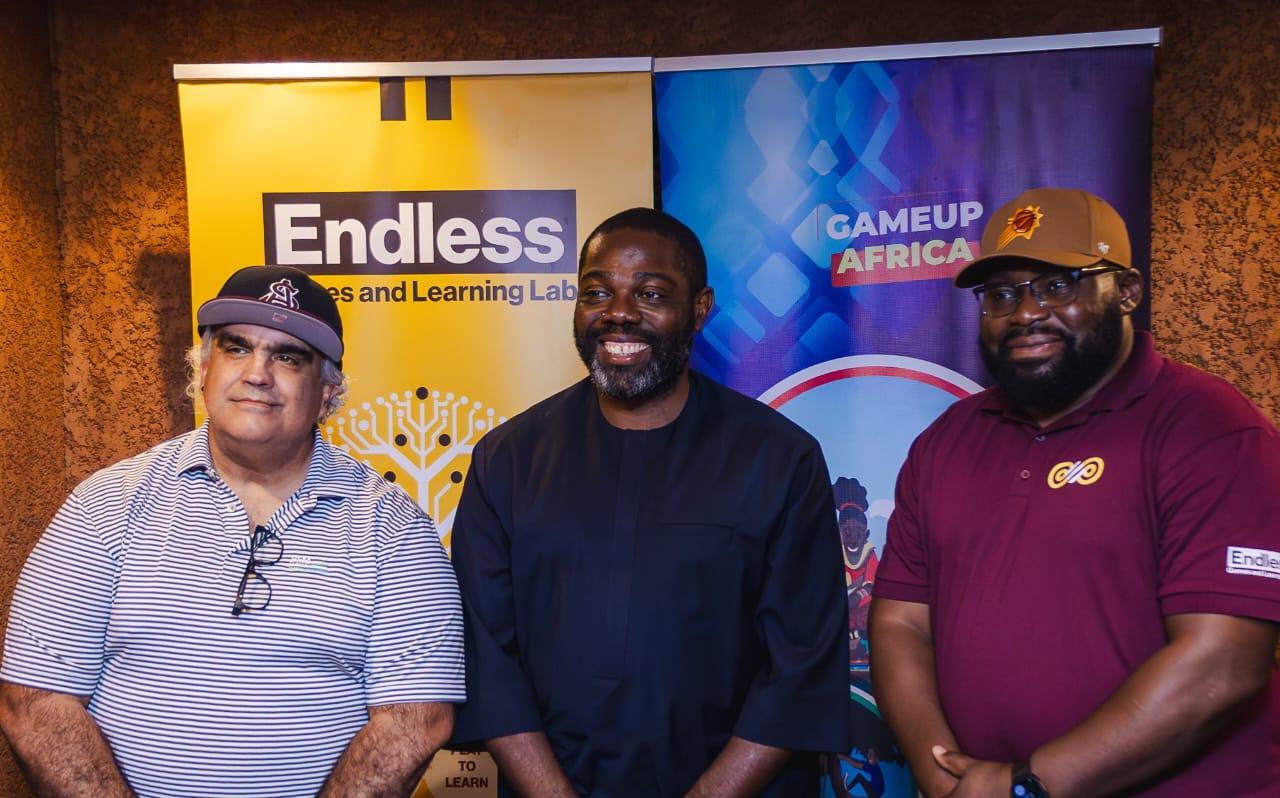
The partnership, unveiled in Lagos through ASU’s Endless Games and Learning Lab, signals a strategic push to build a scalable digital workforce pipeline capable of meeting rising global demand for interactive media and AI-driven skills.
At the heart of the initiative is a practical, production-driven training model that combines micro-credentialing, externships, and collaborative studio work. Participants are required to build functional products, including games and digital assets, while earning globally recognized certifications from ASU.
Speaking at the event, Mark Olilla, Founding Director of the Endless Games and Learning Lab at ASU, described Africa as central to the future of global employment.
“Africa is where the next wave of global jobs will come from. What we are seeing here is a thriving ecosystem of young people building, collaborating, and creating real products. That is what excites us,” he said.
The programme reflects a broader shift away from traditional academic pathways toward skills-based learning, where competence is measured by output rather than classroom attendance.
Olilla noted that the initiative aligns with ASU’s global strategy of expanding alternative learning pathways tailored to different environments and learning styles.
“Not everyone learns through textbooks. Some people learn by building, by experimenting, by solving problems. What matters is the ability to create something tangible, and that is what we are validating,” he said.
Since its rollout in early 2026 under Maliyo’s GameUp Africa programme, the initiative has already issued over 150 micro-credentials to participants working in multidisciplinary teams across Africa.
Assistant Director of the Endless Games and Learning Lab, Bola Akinrolabu, said the intensive five-month training cycle is designed to accelerate learning through real-world pressure.
“When people are challenged to build something within a short timeframe, they learn faster. In five months, participants can gain skills that might otherwise take years in a traditional system,” he said.
He added that success is determined by what participants can demonstrate at the end of the programme.
“You leave with a working product, something you have built. That is your proof of skill, and that is what employers are looking for,” Akinrolabu noted.
While infrastructure challenges such as connectivity and power remain a concern, organisers say they are proactively working to address these gaps to ensure seamless programme delivery across multiple African markets.
For Maliyo Games CEO, Hugo Obi, the partnership represents a deliberate effort to shift Africa’s role in the global gaming ecosystem from consumption to production.
“The gap is clear. We have millions of people playing games, but not enough people creating them. This initiative is about building creators who can develop, publish, and export digital products,” Obi said.
He explained that the programme is designed to be inclusive, targeting a broad demographic that includes students, working professionals, and individuals without formal university education.
“Accessibility is key. It is virtual and flexible, which allows anyone, anywhere, to participate and gain relevant, in-demand skills,” he said.
Obi added that the collaboration builds on Maliyo’s existing talent development efforts over the past five years, with the ASU partnership expected to significantly expand reach and impact.
“We have proven that this model works. This partnership allows us to scale faster and reach more people across Africa,” he said.
A key feature of the programme is its peer-to-peer mentorship structure, where alumni return as instructors to guide new participants and help them navigate challenges more effectively.
With ASU’s global reputation and scale, the micro-credentials are expected to carry significant weight internationally, enhancing employability and enabling African talents to compete in the global workforce.
As Africa’s gaming industry continues its rapid growth, with projections exceeding $5 billion by 2030, stakeholders say the initiative could play a pivotal role in building the talent base required to sustain that expansion.
Beyond workforce development, the partnership is expected to drive innovation, entrepreneurship, and digital exports, strengthening Africa’s position in the global creative and technology economy.
Maliyo Games also signaled plans to deepen collaboration with industry players and government institutions, as part of broader efforts to accelerate the continent’s participation in the evolving AI and digital content landscape.















Leave a comment