



…Says reckless borrowing, wasteful spending could derail price stability agenda
From Adanna Nnamani, Abuja
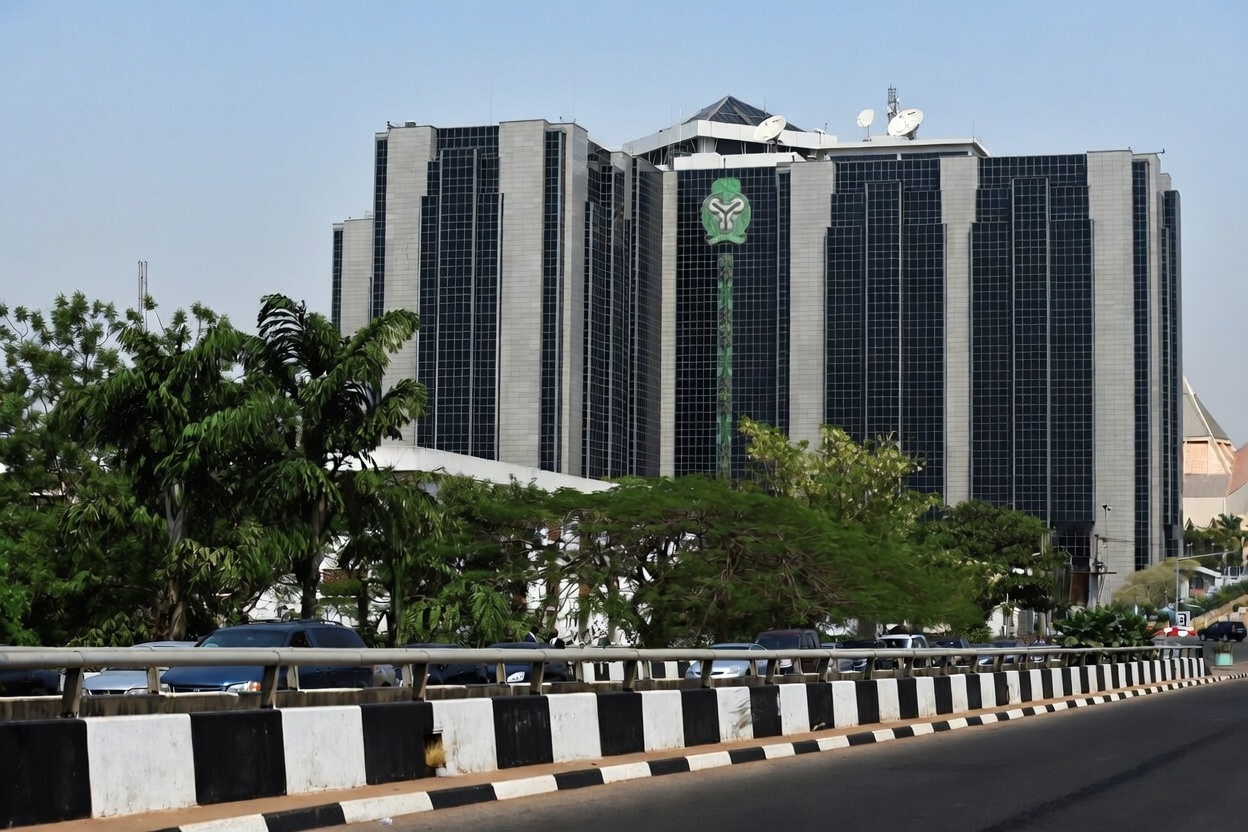
The Central Bank of Nigeria has intensified consultations with state governments ahead of Nigeria’s planned transition to an inflation-targeting monetary policy regime, warning that fiscal indiscipline at the sub-national level could frustrate efforts to tame rising prices and stabilise the economy.
Speaking at an engagement session with sub-national stakeholders facilitated through the Nigeria Governors’ Forum Secretariat in Abuja, the Deputy Governor in charge of the Economic Policy Directorate, Muhammad Sani Abdullahi, said the success of inflation targeting would depend not only on monetary policy actions by the apex bank but also on disciplined fiscal management by states.
He described inflation targeting as a more transparent, rule-based and forward-looking policy framework designed to strengthen price stability, restore confidence and anchor inflation expectations.
According to him, state governments occupy a strategic position within Nigeria’s federal structure and their spending, borrowing and debt management decisions directly influence inflation outcomes.
“Inflation targeting is fundamentally about managing expectations,” Abdullahi stated.
“In an inflation-targeting regime, persistent, unpredictable or expansionary fiscal behaviour at the sub-national level can significantly undermine price stability,” he warned.
The Deputy Governor noted that fiscal actions by states could either reinforce or weaken monetary policy signals, particularly through excessive borrowing, rising domestic debt, uncontrolled recurrent expenditure, mounting salary obligations, overdrafts, contractor financing arrangements and weak coordination in the management of Federation Account Allocation Committee receipts.
He stressed that successful inflation targeting requires the absence of fiscal dominance — a situation where mounting government financing pressures force the central bank to support deficits through money creation.
According to Abdullahi, this principle must apply not only at the federal level but equally across state governments.
He therefore urged states to reduce dependence on overdrafts and short-term borrowing, align debt plans with sustainability thresholds, improve revenue forecasting, prioritise spending and synchronise fiscal operations with prevailing macroeconomic realities.
Under the proposed framework, he identified four major responsibilities expected of state governments, including maintaining fiscal discipline and predictability, ensuring responsible borrowing tied to medium-term fiscal frameworks, strengthening coordination on cash and debt management and improving internally generated revenue mobilisation.
He cautioned that excessive supplementary budgets, weak expenditure controls and unsustainable debt accumulation could trigger liquidity shocks and worsen inflationary pressures across the economy.
Abdullahi further described inflation targeting as “a collective national commitment to stability, credibility and long-term prosperity,” noting that although the CBN would remain accountable for price stability, durable success would depend on cooperation from all tiers of government.
He added that stronger coordination between the apex bank and states would help create firmer foundations for economic growth, employment generation and improved welfare conditions.
Earlier in his remarks, the Director of the Monetary Policy Department at the CBN, Victor Oboh, described inflation targeting as a “win-win framework” capable of reducing macroeconomic uncertainty, strengthening policy credibility and stabilising inflation expectations for households, businesses and governments alike.
Oboh noted that monetary policy alone could not guarantee price stability within a federal structure like Nigeria’s, stressing that state-level spending patterns, debt accumulation and liquidity management decisions have significant implications for inflation dynamics.
According to him, the engagement was designed to deepen collaboration between the apex bank and state governments while promoting a clearer understanding of the expectations, responsibilities and coordination mechanisms required under the new regime.
“Sub-national governments play a pivotal role in Nigeria’s macroeconomic landscape, as decisions on wage policies, capital spending, debt accumulation and revenue mobilisation directly shape aggregate demand and inflation dynamics,” he said.
He added that the engagement formed part of the CBN’s broader partnership with the NGF and state governments aimed at embedding macroeconomic stability as a shared national objective.
Also speaking, the Executive Director for Policy, Strategy and Research at the NGF, Olalekan Yunusa, who represented the Director-General of the Forum, commended the leadership of the CBN for involving sub-national fiscal authorities early in the transition process.
Yunusa said the shift from monetary targeting to inflation targeting reflects a deliberate effort to make price stability the central anchor of Nigeria’s economic policy framework.
He noted that sustainable macroeconomic stability cannot be achieved through monetary policy alone, insisting that disciplined coordination across all levels of government remains critical.
The engagement featured a detailed presentation on Nigeria’s transition roadmap to inflation targeting and attracted participants from more than 20 states, including Commissioners for Finance and Economic Planning, Accountant-Generals, Permanent Secretaries, State Statisticians-General and other senior government officials.
Participants reportedly commended the CBN’s reform agenda and pledged support for the planned transition to inflation targeting as part of broader efforts to strengthen economic stability and restore investor confidence in the Nigerian economy.













Leave a comment