



• Moves to stabilise FX market as demand rises
By Chinwendu Obienyi
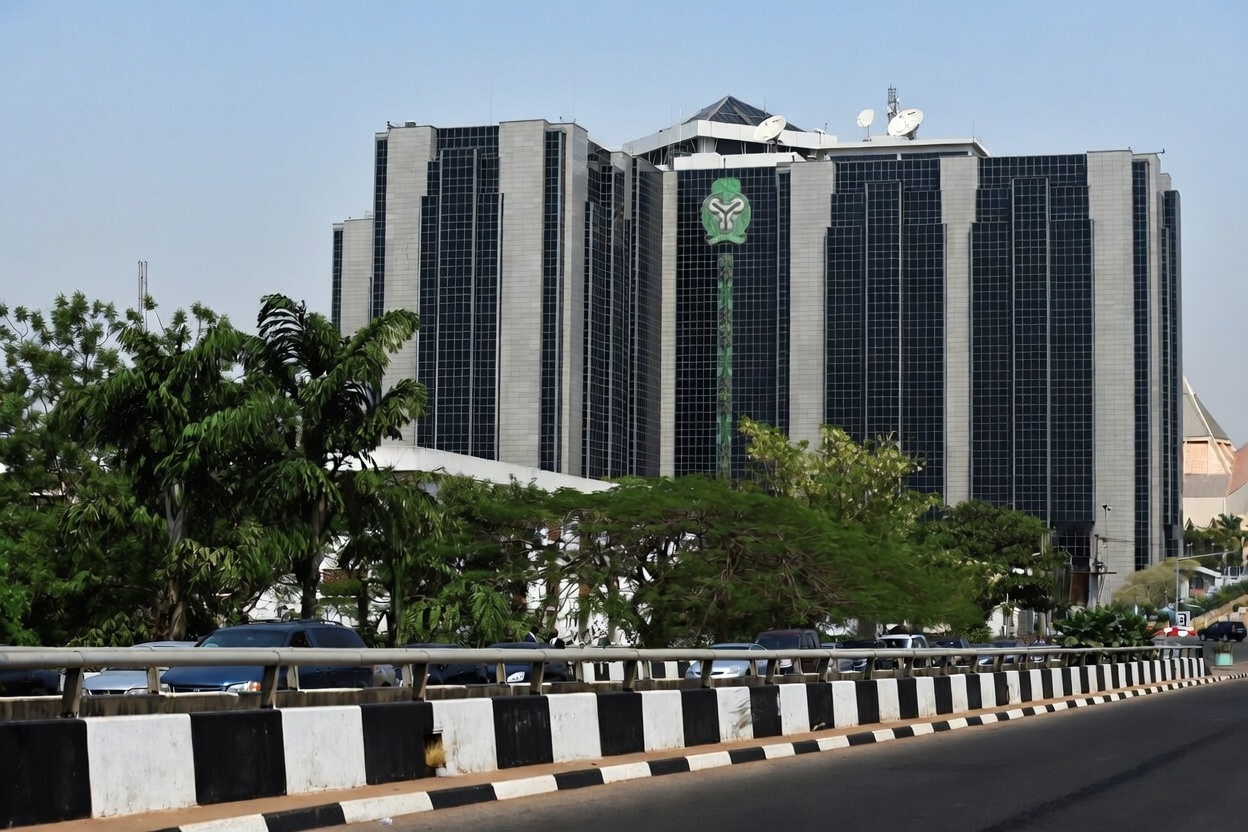
in a move aimed at curbing excess liquidity and stabilising the foreign exchange (FX) market, the Central Bank of Nigeria (CBN) intensified its liquidity tightening stance, mopping up an estimated N2.8 trillion from the banking system in a week through a combination of Nigerian Treasury Bills (NTB) and Open Market Operations (OMO) auctions.
The apex bank did that because it was trying to reduce excess cash in the system.
When too much money is chasing too few goods, prices rise. By pulling money out of circulation, the CBN tries to slow down inflation.
Again, excess liquidity often fuels demand for dollars. By tightening cash in the banking system, the CBN aims to reduce pressure on the foreign exchange market.
The CBN does this to manage speculative FX demand because when banks and investors have excess naira, some may convert it to dollars, pushing up FX demand. The mop-up discourages that.
Data from the money market showed that the apex bank debited about N894 billion via NTB sales, alongside a much larger N1.9 trillion withdrawal through OMO auctions.
This meant that banks collectively had about N2.79 trillion withdrawn during the week through these auctions. This is the cash they used to buy government/Central Bank instruments, underscoring the CBN’s continued reliance on market-based tools to manage system liquidity and anchor short-term interest rates.
Despite the scale of these debits, overall liquidity conditions remained relatively robust. System liquidity closed the week at N4.06 trillion, supported by inflows from maturing NTBs worth approximately N758 billion. Nonetheless, funding pressures emerged midweek following the OMO debit, reflecting the immediate impact of the liquidity withdrawal.
Short-term rates reacted modestly to the evolving liquidity conditions. The overnight rate declined slightly to 22.20 per cent, while the funding rate held steady at 22.00 per cent, indicating that liquidity, although tighter, remained sufficient to meet interbank obligations.
Analysts at different research houses note that the CBN’s actions are closely tied to developments in the FX market, where demand pressures have continued to build.
As a result, external reserves weakened slightly by 0.4 per cent week-on-week (w/w) or $141.17 million to settle at $48.4 billion, reflecting a gradual downtrend amid sustained FX interventions by CBN and moderating oil-driven inflows.
In the currency market, the naira recorded a mixed performance. At the NFEM window, the currency weakened 1.1 per cent w/w to N1358.44/$1, while the parallel market rate remained unchanged at N1390.00/$1, as demand outpaced supply despite offshore inflows linked to participation in OMO auctions.
In the forwards market, sentiment remained bearish, with the naira weakening across all tenors. Traders attributed this to expectations of continued FX pressure in the near term, driven by global uncertainties and cautious foreign portfolio investment flows.
Heightened geopolitical tensions, particularly the ongoing US–Iran conflict, have contributed to a more risk-averse global investment climate, dampening the pace of capital inflows into emerging and frontier markets like Nigeria.
However, analysts believe that relatively high domestic yields, especially on OMO instruments, could continue to attract foreign portfolio investors, albeit at a slower pace than previously observed.
Cordros Research in an emailed note to Daily Sun, said, “Against this backdrop, the CBN is expected to maintain a delicate balance between liquidity management and exchange rate stability. We anticipate that the apex bank will deploy targeted FX interventions to curb excessive volatility, particularly if demand pressures intensify in the near term”.
Afrinvest Research said they expect the naira to trade within a stable band, supported by sustained liquidity conditions and continued market presence of CBN.
For their part, Cowry Research said, the trajectory of liquidity conditions will depend on the interplay between inflows from maturing instruments and outflows from upcoming government securities auctions.
“While expected OMO maturities and fiscal inflows may provide some relief, additional bond issuances could exert renewed pressure on system liquidity”, the firm said.
Overall, this development highlights the CBN’s continued commitment to tight monetary conditions, as it seeks to rein in inflationary pressures, support the naira, and maintain stability across financial markets.
















Leave a comment