



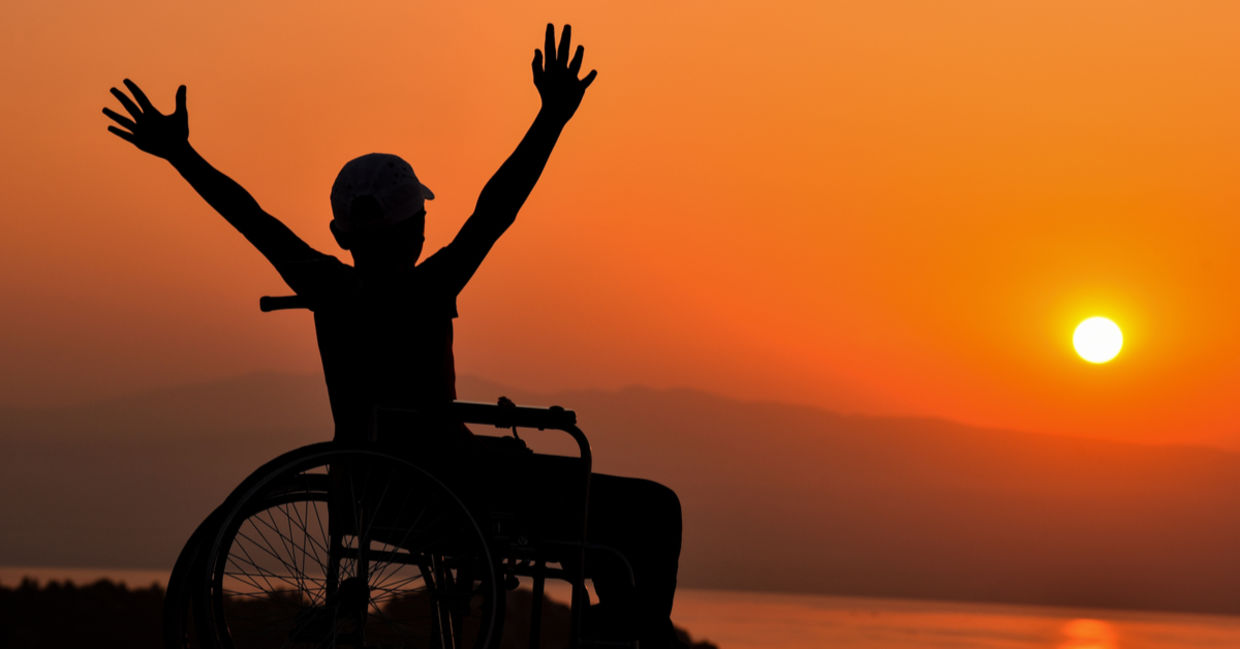

Disability inclusion in Nigeria has become fashionable. Government agencies launch glossy policies, institutions tick compliance boxes, and organisations proudly showcase a wheelchair user or sign language interpreter at public events. The optics look good. Progress appears to be happening. Yet for millions of Nigerians with disabilities, daily life tells a very different story.
In practice, inclusion in Nigeria remains largely performative, more about visibility than power, more about symbolism than systemic change. Persons with disabilities are often seen but rarely heard, acknowledged but seldom trusted with authority. This gap between appearance and reality is the central problem Nigeria must confront if disability inclusion is to move from rhetoric to reality.
The question is no longer whether Nigeria has the right laws or language. It is whether persons with disabilities truly have ownership over decisions, narratives, and systems that shape their lives.
Nigeria’s Discrimination Against Persons with Disabilities (Prohibition) Act, passed in 2018, was widely celebrated as a milestone. It promised access, protection from discrimination, and equal participation. Years later, implementation remains uneven and, in many sectors, almost invisible. Public buildings are still inaccessible. Schools lack accommodations. Employers routinely sideline qualified candidates with disabilities. Political participation is constrained by both physical barriers and social prejudice.
This disconnect reveals a hard truth: laws without enforcement, and inclusion without accountability, are little more than public relations exercises.
True inclusion requires a shift from optics to ownership—from doing things for persons with disabilities to doing things with them, and ultimately trusting them to lead.
Disability advocate Susan Kelechi, a polio survivor and long-time campaigner for inclusive development, puts it plainly: inclusion that does not centre lived experience will always fall short. When policies are designed without the voices of those they are meant to serve, they inevitably miss the mark. When persons with disabilities are invited into rooms only as symbols, not decision-makers, exclusion is simply repackaged.
At the heart of Nigeria’s challenge is stigma. Disability is still widely framed through charity, pity, or moral deficit rather than rights and justice. This mindset shapes infrastructure, employment practices, media representation, and even family dynamics. It explains why ramps are treated as optional, why sign language interpretation is considered a favour, and why disability desks in institutions are often underfunded and sidelined.
Stigma also reinforces the idea that inclusion is an act of benevolence rather than a shared civic responsibility. Yet disability is not a fringe issue. It cuts across class, gender, age, and geography. Anyone can acquire a disability at any point in life. Inclusive systems, therefore, benefit everyone.
Ownership means persons with disabilities having real influence in governance, education, employment, media, and development practice. It means moving beyond token appointments to meaningful leadership. It means recognising that expertise does not only come from textbooks or boardrooms, but also from lived experience.
In governance, ownership looks like persons with disabilities shaping policies, budgets, and implementation frameworks, not merely validating them after the fact. In education, it means inclusive design from early childhood through tertiary institutions, not ad-hoc adjustments when complaints arise. In employment, it means accessible workplaces, fair recruitment, and career progression based on merit, not sympathy. In media, it means telling disability stories with nuance, dignity, and authority, not inspiration porn or tragedy narratives.
Perhaps most importantly, ownership demands that Nigeria confront uncomfortable questions: Who designs inclusion? Who benefits from current approaches? And who holds power?
These are not abstract concerns. They determine whether a young woman with a disability can attend school safely, whether a qualified graduate can secure dignified work, and whether a citizen can participate fully in public life. They determine whether inclusion transforms lives or merely decorates policy documents.
Moving from charity to rights requires political will, institutional reform, and cultural change. It requires investing in accessible infrastructure, enforcing existing laws, and embedding inclusion into everyday systems ─ not as a special project, but as standard practice. It also requires listening, deeply and consistently, to persons with disabilities themselves.
Nigeria stands at a crossroads. It can continue to prioritise optics celebrating intentions while tolerating exclusion or it can embrace ownership, where inclusion is measured not by appearances, but by power, access, and outcomes.
Disability inclusion is not about pity. It is not about being progressive for applause. It is about justice. And justice, by its nature, demands more than good intentions. It demands action, accountability, and the courage to let those most affected lead the way.










Leave a comment