



By Chinwendu Obienyi
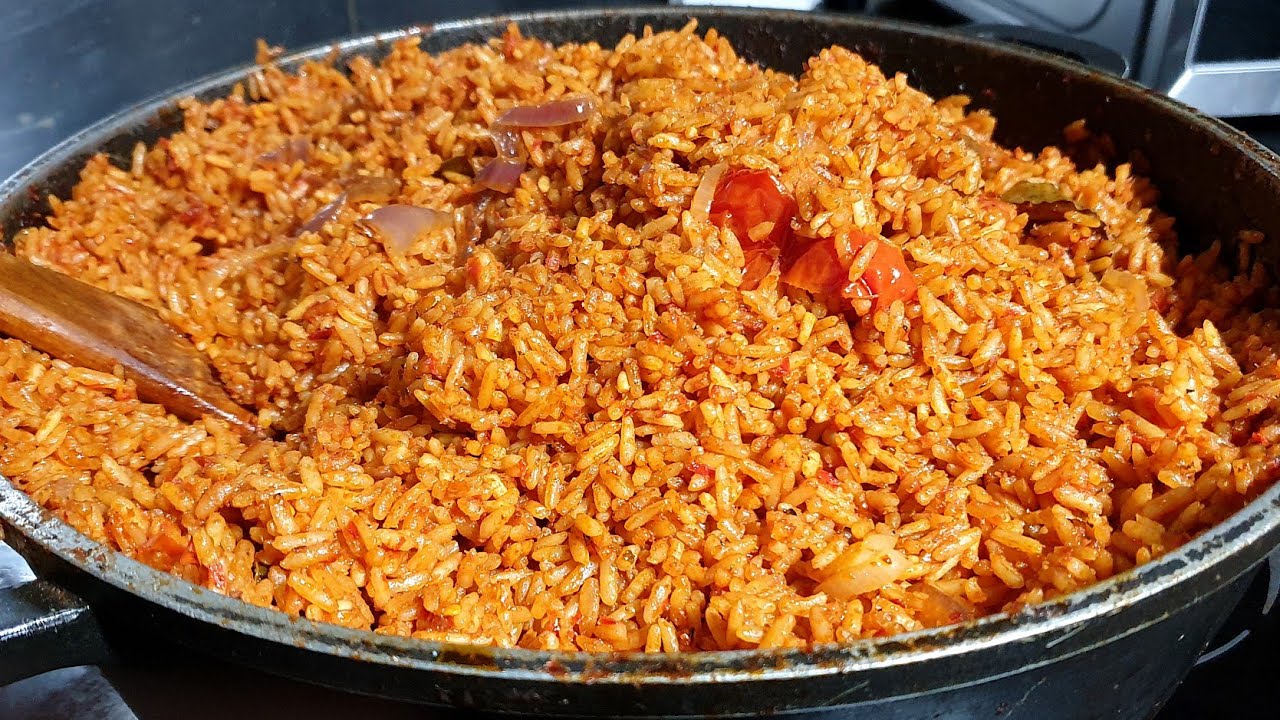
Nigeria’s worsening food inflation crisis is being amplified by global oil market turmoil, with the cost of preparing a pot of jollof rice rising more than 50 per cent in dollar terms over the past three years, a report by SBM Intelligence, said on Wednesday.
The report titled; SBM Jollof Index Q1 2026: From Hormuz to the pot, noted that what appears to be a local food affordability issue is increasingly a story of how external shocks, particularly disruptions linked to tensions around the Strait of Hormuz, is cascading through fragile domestic systems.
Data from the report show that the average cost of cooking jollof rice climbed to N30,435 in March 2026, up 19.4 per cent from October 2025. In dollar terms, the increase is even more striking: from $14.49 in March 2023 to $21.93, reflecting how rising domestic prices have outpaced any currency adjustments.
The latest surge was triggered by a sharp spike in global crude prices following the outbreak of conflict involving Iran in late February. Brent crude jumped from about $82 to above $110 per barrel within weeks, pushing up Nigeria’s pump prices almost immediately.
Petrol prices in Lagos surged past N1,300 per litre, while diesel, critical for transportation and food logistics, rose above N1,500. Because Nigeria relies heavily on imported refined fuel, higher oil prices translate directly into increased transport costs.
The cost of moving agricultural produce across the country has soared, with traders reporting that transporting a tonne of grain from northern supply hubs to southern markets has jumped by more than 50 per cent. These increases ripple quickly through the food supply chain, raising the prices of staples such as rice, vegetable oil and protein.
Yet beneath the headline inflation figures lies a more troubling dynamic. Official data show that month-on-month (m/m), food inflation has slowed slightly, but this apparent moderation masks a collapse in consumer demand. In several markets, traders say prices are no longer rising simply because buyers can no longer afford further increases.
This demand compression is evident in changing household behaviour. The report revealed that Nigerian households are substituting cheaper proteins such as smoked fish for meat, switching from cooking gas to charcoal, and reducing the frequency of market visits to save on transport costs.
Also, bulk purchasing has declined sharply, while small, frequent purchases have become the norm.
“The market is not correcting downward; it is going quiet. People are buying less, not because prices are better, but because they have no choice. Chicken, turkey, and even basic beef have become luxuries, households cannot afford.
Trekking to the shop has become routine. An average Nigerian have a transporter who gives updates about fuel price”, the report said.
Analysts say the current situation reflects deeper structural weaknesses rather than a temporary shock. Nigeria’s dependence on imported fuel leaves it exposed to global oil volatility, while limited refining capacity offers little insulation from external price swings.
At the same time, key food-producing regions are grappling with persistent insecurity and climate-related disruptions, constraining supply and pushing up costs.
“Even without the oil shock, food inflation would remain elevated. Conflict and climate stress in agricultural zones mean output is unstable, and logistics remain expensive”, the report said.
The result is a form of inflation that is becoming entrenched across the economy, spreading beyond food into transport, housing and services. For many households, incomes have failed to keep pace, eroding purchasing power and forcing difficult trade-offs.
For millions of Nigerians, the cost of a pot of jollof rice, has become a daily measure of economic strain. As global and domestic pressures converge, that simple benchmark is moving further out of reach, underscoring the limits of how much more households can absorb.















Leave a comment