




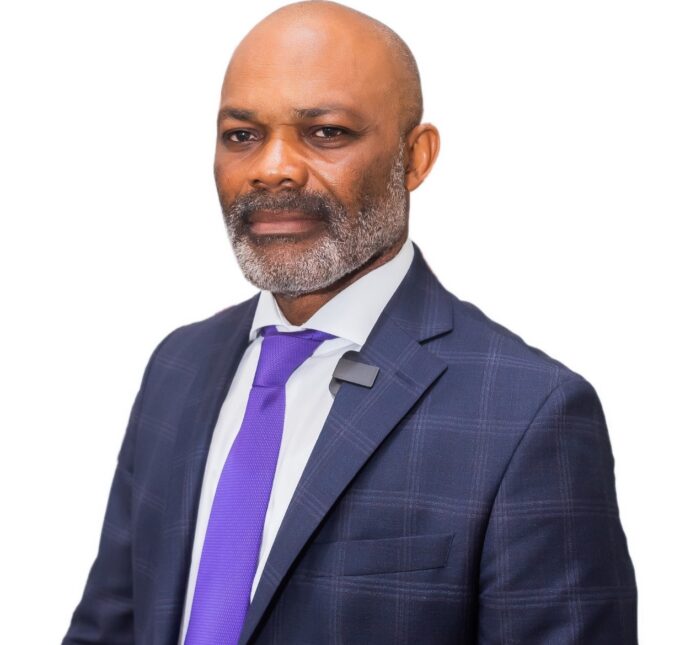
The recent appointment of Jamil Mohammed Abubakar as Managing Director for Infrastructure and Logistics at Dangote Group offers more than a routine boardroom reshuffle; it provides a compelling glimpse into the future of Africa’s largest industrial empire.
Aliko Dangote, a man whose name has become synonymous with ambition, scale, and execution, for decades, has built a conglomerate that stretches across cement, sugar, salt, and now, oil refining. Yet, as with all enduring institutions, the question of continuity looms large.
Abubakar’s elevation is, in many ways, symbolic. A former aviation insider with a disciplined background in public service, his transition “from air to land” into a critical operational role underscores a deliberate broadening of expertise. Infrastructure and logistics remain the lifeblood of the Dangote empire, where supply chains, transportation networks, and operational efficiency dictate profitability and scale.
By entrusting this strategic portfolio to Abubakar, Dangote signals confidence not just in familial loyalty, but in cultivated competence. It is a move that blends trust with responsibility, an essential formula in family-influenced corporate systems where legacy and leadership must coexist without friction.
More subtly, the appointment reflects a succession philosophy rooted in gradual immersion rather than abrupt transition. Rather than a sudden handover, Dangote appears to be building a cadre of trusted insiders, individuals who understand the DNA of the business while being groomed for higher responsibility.
This approach mirrors global best practices among enduring family-led conglomerates, where leadership is not inherited overnight but earned through exposure, performance, and strategic positioning. In this context, Abubakar’s new role becomes less about title and more about trajectory.
Critics may view such appointments through the narrow lens of nepotism, but that interpretation often overlooks the complexity of legacy businesses. The real test lies not in the relationship, but in the results. If performance aligns with expectation, the narrative quickly shifts from favouritism to foresight.
For Dangote Group, the stakes are too high for sentiment to outweigh strategy. With multi-billion-dollar investments and continental influence, leadership decisions must ultimately serve the enterprise’s long-term stability.
As the conglomerate continues to expand, particularly with its refinery ambitions reshaping Africa’s energy landscape, the need for a resilient and well-prepared leadership structure becomes even more pressing.
In Jamil Abubakar’s ascent, we may well be witnessing the early chapters of a carefully orchestrated succession blueprint that seeks to ensure the Dangote legacy not only endures but evolves.













Leave a comment