



Say interest of Nigerians more important than individual, entity
_______________________________________________________________________
By Adewale Sanyaolu
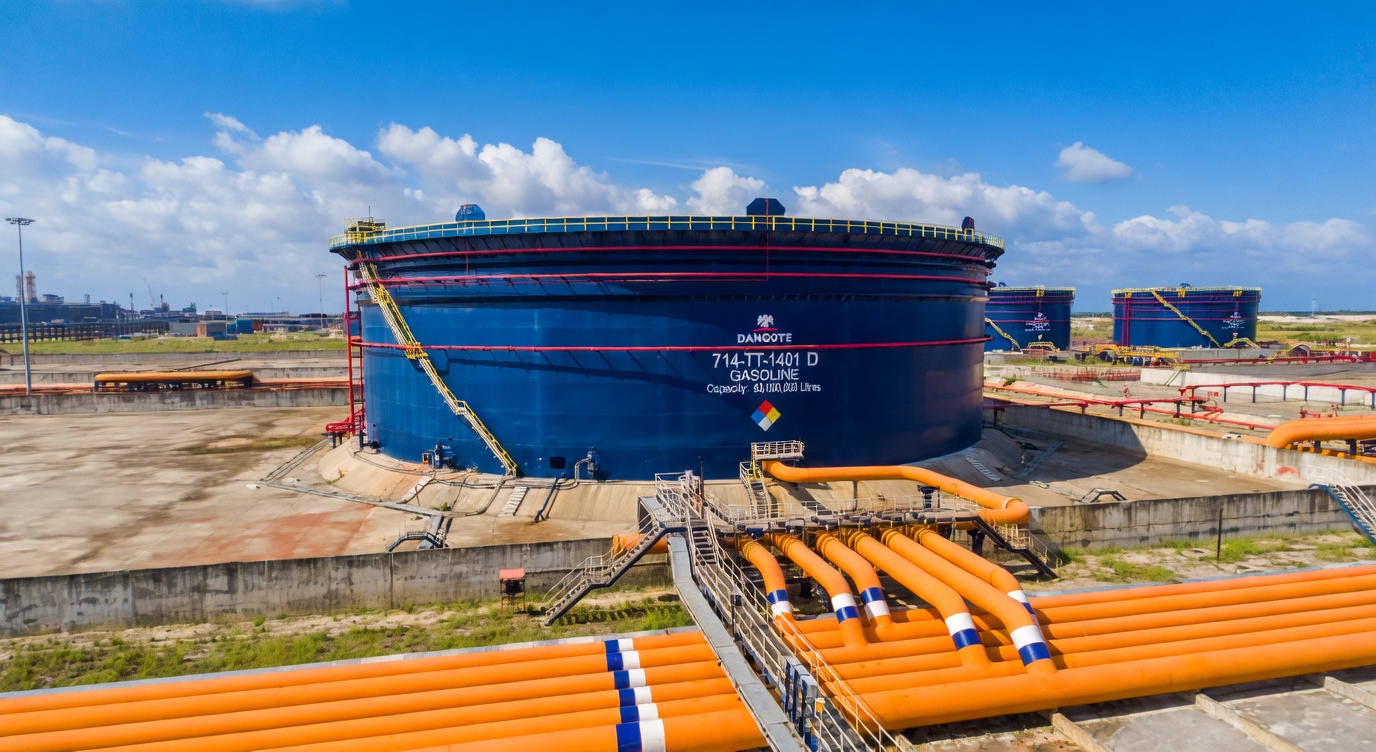
A fresh crisis is brewing in the downstream petroleum sector over a lawsuit instituted by Dangote Petroleum Refinery asking the court to nullify import permits issued or renewed by the Nigerian Midstream and Downstream Petroleum Regulatory Authority (NMDPRA) to NNPC and marketers.
The refinery is insisting that the approvals violate an earlier court order directing parties to maintain the status quo.
The latest suit signals renewed tension in Nigeria’s downstream oil sector, barely one year after the refinery withdrew an earlier case challenging similar import approvals issued to NNPC and some fuel traders.
But the Depot and Petroleum Products Marketers Association of Nigeria (DAPPMAN) has fired back by defending the continued issuance of fuel import licences by the NMDPRA, insisting that the move remains critical to the country’s energy security amid an ongoing legal challenge by Dangote Petroleum Refinery.
DAPPMAN, in a statement reacting to the purported lawsuit, argued that the licences were not issued arbitrarily but were backed by the Petroleum Industry Act (PIA) and designed to safeguard Nigeria’s fuel supply chain.
The marketers’ body maintained that the NMDPRA, as the industry regulator, possesses the legal authority to determine when import licences are necessary in the national interest. According to the association, the regulator had consistently maintained that such approvals exist primarily to protect supply security and should not be viewed as measures targeting any individual producer, regardless of size or market influence.
DAPPMAN further disclosed that its member companies had invested billions of naira in depot infrastructure, logistics networks, and compliance systems based on the understanding that their operating licences were lawful and enforceable. It warned that any attempt to retroactively invalidate those licences could create uncertainty across the downstream petroleum sector and threaten fuel supply stability at a time the country could ill afford disruptions.










Leave a comment