



From Juliana Taiwo-Obalonye, Abuja
A high-level North-West Climate Summit, spearheaded by the Office of the Senior Special Assistant to the President on Community Engagement (North-West), promises to transform the region’s climate crisis into an engine for investment, job creation, and sustainable development.
Set for 4 August 2026, the event targets opportunities in climate-smart farming, clean energy, water management, and youth-led eco-businesses, moving beyond discussions to attract tangible funding and results across Kaduna, Kano, Jigawa, Katsina, Kebbi, Sokoto, and Zamfara states.
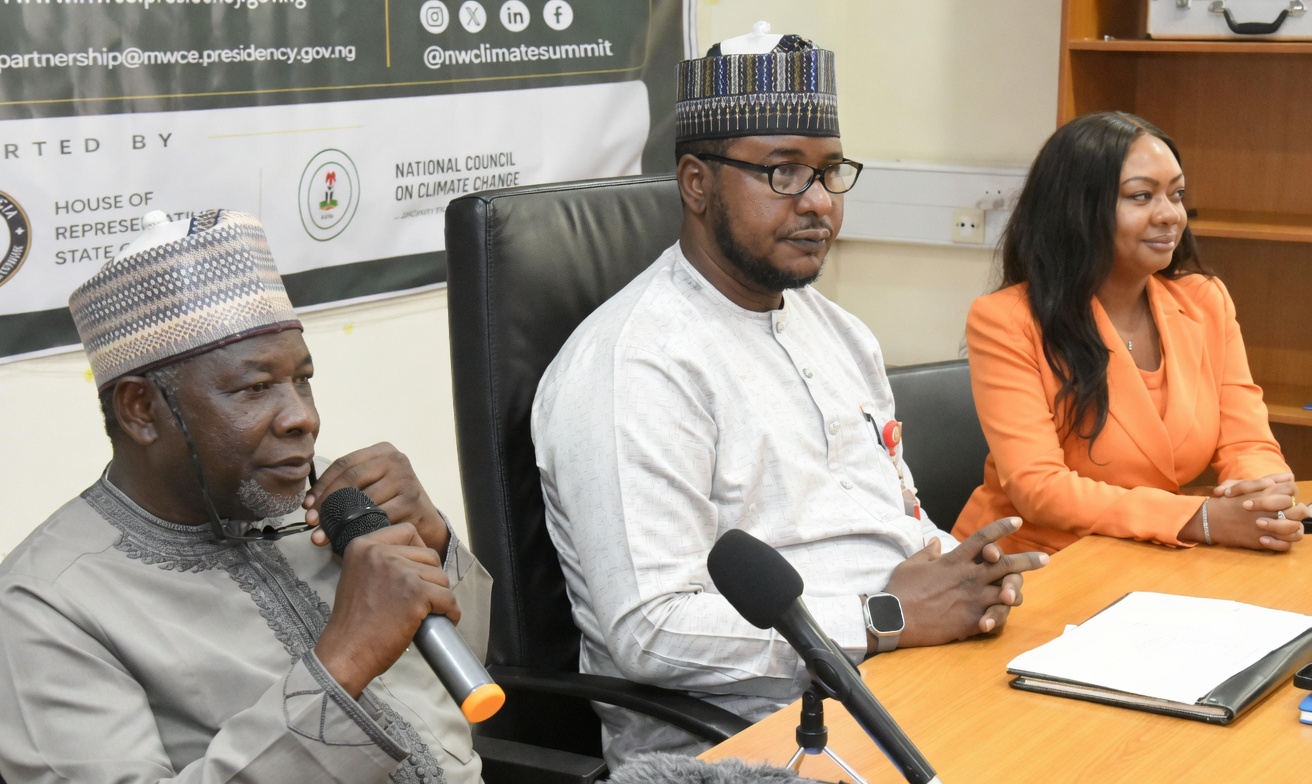
The Senior Special Assistant, Abdullahi Yakasai, speaking at a press briefing in the State House on Wednesday, highlighted how desertification, droughts, and falling farm yields could fuel economic revival.
“The North West faces significant environmental challenges, but these also create opportunities for sustainable growth and investment. This summit represents a strategic shift from climate vulnerability to climate investment,” he said.
Yakasai, speaking under President Bola Tinubu’s directive, revealed plans for a North-West Climate Fund to channel resources into green projects and a digital Climate Investment Marketplace to link investors with ready ventures.
“This is not just a summit; it is a platform for execution. We are creating pathways for investors to identify opportunities and partner on projects that will transform the region,” he said.
Echoing this, the North-West Development Commission (NWDC) Managing Director, Shehu Ma’aji, detailed efforts to tackle degradation, joblessness, and unrest via climate programmes.
Established in July 2024, the NWDC serves over 65 million people with a wide remit including the environment, farming, infrastructure, education, health, and youth empowerment.
He flagged desertification, soil loss, water shortages, and hunger as top threats, with over seven million youths currently idle. “We are not just looking at empowerment; we are focusing on engagement. Our goal is to turn our youth into productive assets and climate stewards,” Ma’aji said.
The commission’s initial push is to enlist 5,000 youths to plant and tend economic trees, fighting desertification while boosting soil health and incomes—with added security perks through community vigilance.
“These are not just ordinary trees; they are economic trees that will benefit communities and contribute to a healthier ecosystem,” he added.
The summit’s lead consultant, Dr Mea Boykins, stressed the importance of turning policies into fundable fixes for local and global backers. “My goal is to connect Nigeria’s climate priorities with local capital and partners. This summit is not just about discussions, but about delivering real, actionable and investable solutions,” she said.
Positioning the North-West for worldwide climate funding, she spotlighted prospects in energy, agriculture, and water. “We are presenting bankable opportunities across key sectors. This is about restoring land, securing water and powering the future,” Boykins added.
Participants underscored the need for community buy-in, drawing on pacts like the Kyoto Protocol for public-private-local teamwork. Highlights include a “waste-to-wealth” scheme to organise informal recyclers, equip them, and tie them to buyers turning trash into fertiliser, fuel, and other products—cutting pollution and sparking jobs.














Leave a comment